







Reading Time: 9 minutes
We were very lucky to have voice coach and podcaster, Nic Redman, takeover our Instagram account to share podcast voice tips and answer questions, as the voice is a very important part of the podcasting process.
For those who don’t have Instagram or missed the session, below is all the wonderful knowledge, advice and tips that Nic shared on the day about the voice when podcasting.
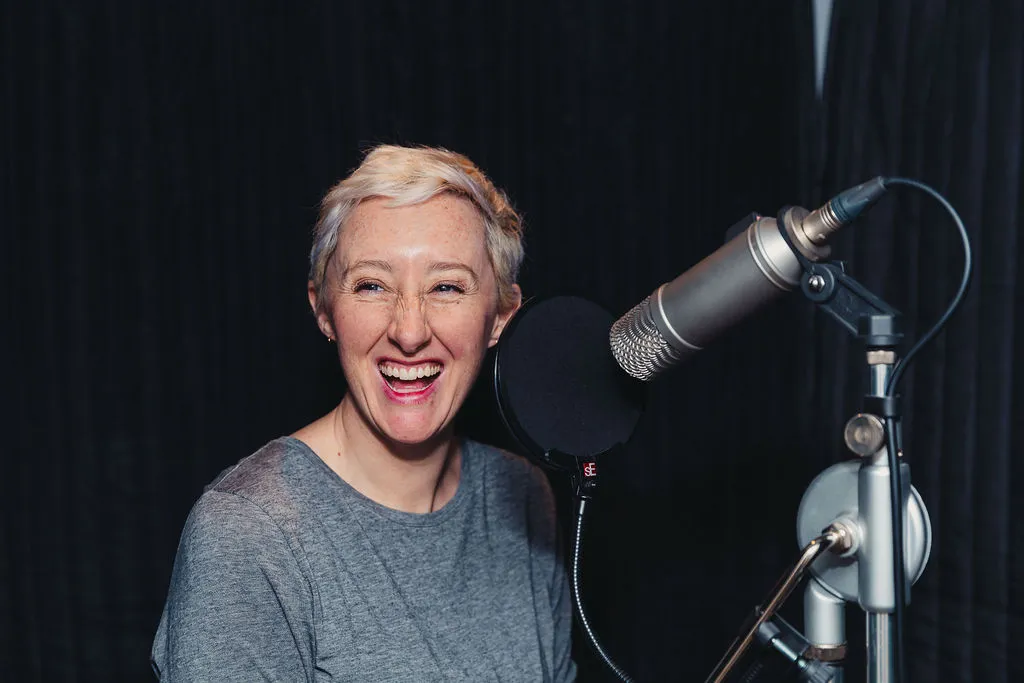
Nic is an internationally successful vocal coach and podcaster based in the UK. She runs a thriving coaching practice providing voice, speech and communication training to podcasters, actors, comedians, public speakers, business professionals via 1-2-1 sessions, group workshops, and residential retreats.
She is the founder of Voice & Accent Hub group on Facebook, a 5000 + community of fellow voice geeks and she writes/hosts The Voice Coach Podcast offering even more spoken voice training. Nic also co-presents the award-winning, Voiceover Social podcast, offering insights into the voice over and audio world. She is also a book author, On The Mic, is the ultimate book for voiceover artists, podcasters, speakers and presenters.
As a voice actor, Nic works internationally voicing commercial, corporate and character scripts with a client list including Tesco, NSPCC & the BBC.
To ensure your voice is the best it can be, Nic recommends the following routine tips before, during and after recording.
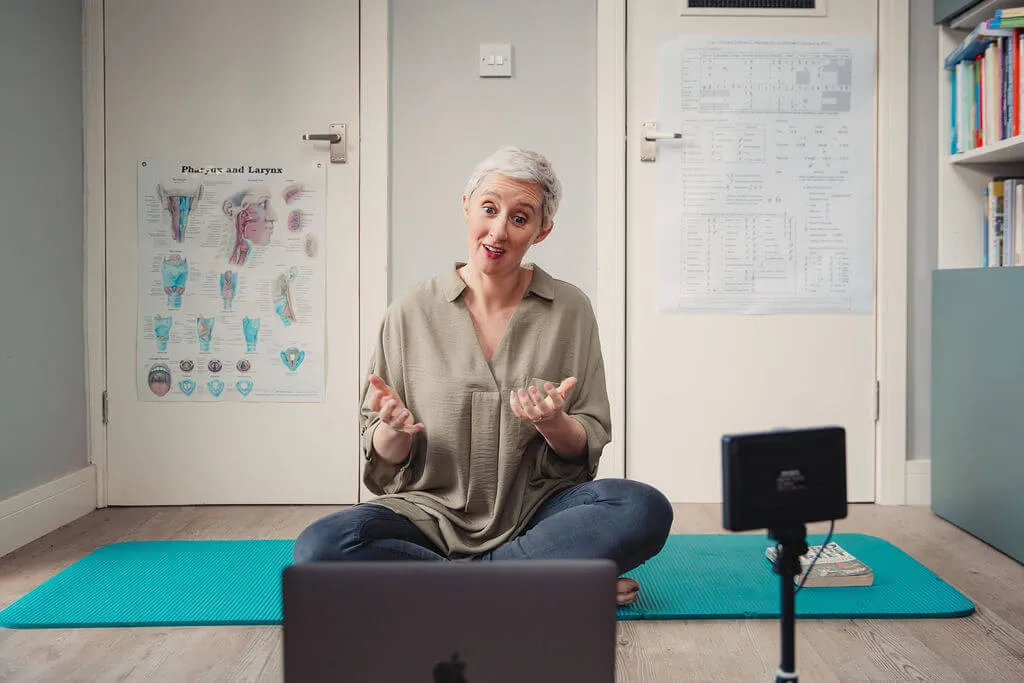
This is a great question. What does make a good podcast voice? What voices do people like listening to? Questions that Nic answered during the Instagram takeover relate to this topic.
Question #1: I have a solo narrative podcast where I like a very polished and journalistic feel. I find myself editing out every breath for the polished presentation. When I watch some video podcasts, I don’t hear their breaths. Is there a way I could do things differently, so I don’t have heavy breaths to remove in post-production, short of moving away from the mic to breathe?
Answer: To have quieter in-breaths make sure you’re releasing your belly and making space in the throat on the in-breath. To practice, release the belly on the in-breath, make sure to blow out on an extended ‘f’ sound whilst gently pulling your belly button in and then let the belly go when you want a breath to come in. Then add a feeling of silent surprise with your face – like the gesture you might make when someone gives you a gift.
These two things together can help reduce the sound. It’s also important to ‘allow’ the breath in rather than ‘taking’ it in all the time. If you breathe out, your body will breathe in, so explore what it feels like to give time for the in-breath to come in when it wants to and avoid a feeling of ‘really active breathing’ when speaking.
Question #2: How can you get a clearer voice using an external microphone? Also, strangest place you have recorded from to get a quiet room (mine is my Children’s clothes wardrobe)?
Answer: Warm up your face! The more release and freedom in the facial muscles, the clearer your voice will be from an articulation point of view. Lots of lip exercises and tongue stretches are great for preparing the mouth to shape the sounds clearly.
I’ve made many pillow forts in hotel rooms over the years, and I had a mic in a giant vintage suitcase full of foam once. My first ever studio was in a cupboard off a tiny bedroom in the eves of my parents’ house. I got my dad to staple old quilts to the walls and then I would commando crawl into it and record lying down on my belly. It’s such a relief to have a decent studio now!
"*" indicates required fields
100% secure. We never share your email
Question 3: What is a fool-proof way to manage mouth clicks pre-recording? I’ve tried green apples, mic technique, ensuring I’m hydrated, etc, but still get mouth clicks during recording. I can remove in post, using audio plugins, but I’d rather not force my clickiness on guests while recording!
Answer: It’s best to work out what kind of clicks they are first. Are they saliva related or behavioral like lip or tongue, even soft palate, smacks? If it is saliva related, then the only solution is hydration and diet. So, check you are having enough fluid in time for it to affect your saliva, at least 4 to 8 hours before recording. Notice if any other foods or beverages affect your mucosal viscosity – coffee can make people clicky for a bit, if so, leave a bit of time before recording after drinking and/or brush your teeth. Some medication can cause dry mouth so it’s worth checking in on that. I’m not a fan of crutches like green apples or Biotene or anything, if there’s a click issue it’s better to fix it at source. Also steaming with plain water or using a nebulizer with 0.9% saline solution can help.
If it’s behavioral then you need to raise your awareness of what bit is clicking where. If it’s lip smacks, then make sure you’re breathing through your mouth, not nose, so your mouth stays open between phrases. If it’s the tongue, check in on some of the quality of the articulation contact and if it’s soft palate or ‘nasal farts’ as we call them in the recording business, then play around with energizing your soft palate.

Again, another great question. How can you make sure you have a good podcast voice when recording or delivering your audio? And again, questions that Nic answered during the Instagram takeover related to this topic.
Question #1: How to use your voice, doing a call-to-action to the listener, or asking for support for your work with the podcast, and the value it gives the listener.
Answer: This is as much a ‘mindset piece’ as it is about the voice. How you feel about asking people for donations, subscriptions etc, comes down to how you feel about the value of your podcast. So, if it feels ‘icky’ then you need to spend a bit of time reminding yourself of why you do your show and the benefits it gives people. If you can’t convince yourself then you won’t be able to convince your audience.
Check in on your ideal listeners and what you want them to learn from you, do a bit of work on owning your knowledge in the space and try talking out loud (to yourself) about why your podcast is good and why people should listen. You must practice the ‘icky’ bits, so they become comfortable on the mic. You can’t expect those hard bits to come easy. Plant your feet on the floor, breathe out and tell yourself in the mirror why your podcast is good for people and why they should subscribe or support you. Also, warm up! Then your voice will respond in the right way and express what you need it to.
Question #2: I have been a storyteller for many years, what can I do to get my stories heard by babies to adults of all ages?
Answer: It doesn’t matter who you are talking to – it matters how you want to affect them or what you’re trying to get them to do. I like the technique called ‘actioning’ which is where you use active verbs to work out your intention with what you’re saying. So, if you fill in the phrase ‘I ‘X’ you’ – ‘I’ being the host and ‘you’ being the listener. For example, ‘I excite you’, ‘I shock you’, ‘I inspire you’, ‘I tease you’…,
Regardless of the listener’s age, gender, background etc, ultimately you’re trying to get them to feel a certain way or do a certain thing. That requires you to change the narrative and not think about how you’re being heard and focus instead on how you’re making an impact. Then, with a bit of knowledge about your voice and how to warm up etc, you’ll be able to get your instrument to respond in the way you need it to, and you’ll sound great.
Question #3: I am thinking about redoing my intro and outro, should I record this myself, or am I better off hiring a pro (male voice vs female) to record both? I’m the host and have done this all myself. I’m looking to level up my podcast but want to keep a close and approachable connection with my audience.
Answer: This is definitely podcast dependent, but I lean towards always doing your own intro. It’s your podcast, you’re welcoming people to your show and I personally feel that, even if you’re a well known person with a huge following and persona, as a listener I’m taking my time to listen to your show, and I’d appreciate a welcome from you. For audience connection, it needs to be you. Record a few options, let your listeners choose – make it a game! Change them around and see what fits. But the intro needs to blend with the style of the podcast. So, if it’s more chattier and and interview style then work on a chattier intro. If it’s straighter and more educational then go for that vibe. You don’t want it to ‘jar’ with the main body of the show.

Reading Time: 5 minutes We interview Supercast’s CEO, Jason Sew Hoy, about the industry-leading Paid to Podcast competition, listener supported subscription models and how every podcaster can turn their show into a viable business.
Question #4: What suggestions do you have for improving monologue podcast episodes? I’m new to this style and have been adding two a month, between longer interview episodes. I find that it’s difficult to get the same type of tone/style when recording alone vs. working with a guest. Tips on ways to improve a monologue would be great! They’re short episodes.
Answer: Firstly, really do some work on who you’re talking to and how you want to impact them, so you know what you’re trying to achieve with your delivery.
Next, if you write it down to read from, write it by speaking it first – then you can fiddle with it, if you need to. The phrases will be much more conversational and easier to speak in a relaxed way.
If you do script it, allow yourself space to riff around the lines. Leave the ums, the breaths, the tuts etc in, they’re all part of conversational speech and listeners are used to them. It makes things sound much more chilled and chattier. Podcast audio shouldn’t be perfect in my opinion. It should be full of the glorious linguistic features and traits of conversation.
This requires you really knowing your topic – which one could argue you should if you’re doing a podcast – but try not scripting it. Try doing bullet points or even a flow chart or spider diagram of what you want to hit topics wise and then just talking around those. It’ll be way more conversational like the interviews you’re trying to emulate.
And the final thing is – practice! It doesn’t come naturally for most – ironically! It really takes time. So, try different ways of scripting and recording, listen back and see what you think sounds best to listen to in relation to what you’re trying to achieve.
So many people hold themselves back from podcasting as they feel like they don’t have the ‘right’ voice. There is no ‘right’ or ‘wrong’ voice. It’s common to not like your own voice; many successful podcasters and speakers don’t like their own voice, but don’t let this stop you from podcasting. What is more important to focus on is the message that you want to convey and connecting with your audience.
Passion and creating quality podcast episodes are more important. Also, the more practice you have and the more you record, the easier it will become. You’ll get used to hearing your voice back. Your voice will change and develop too.
Practice, practice and more practice. Listen to other podcasts, ask yourself, what do you like and what don’t you like? Try things out and get curious. Your voice and how you deliver your podcast episode will consistently change, adapt and develop. You will always be on that journey of finding your podcast voice.
Listen back to your episodes. Get used to listening back to your voice. Try different things with your voice, play it back and see if it worked or not. If something you tried doesn’t work, it doesn’t matter, you can always tweak and change it next time. Get used to warming up your voice and looking after it, it’s very important when it comes to podcasting!

Nic has a great ‘Vocal Warm Up for Podcasters’ resource on her website. You can also connect with her in the following places:
It was great having voice coach and podcaster Nic Redman taking over our Instagram and sharing all her wonderful tips and advice about the voice for podcasting.
Looking after our voices as podcasters is so important, as not only does it help with audio quality and clarity, but we can also make sure we are not straining our voices and help prevent any injuries.
There’s also no such thing as a perfect podcast voice. Yes, we can do things to improve how our voice sounds, but don’t let the fear of not liking your voice hold you back from podcasting!
If you enjoyed this article, you may also enjoy ‘How to Record a Podcast, 8 Tips for a Great Sounding Show’, ‘How to Start A Podcast Your Definitive, Jargon-Free Podcasting Guide’ and also Nic Redman’s ‘The Voice Coach Podcast’.
You can also join Nic’s Voice & Accent Hub group on Facebook, subscribe and listen to her podcasts The Voice Coach Podcast and award-winning, Voiceover Social podcast or check out her book, On The Mic.
"*" indicates required fields
100% secure. We never share your email
Sarah is Captivate's SEO manager. She has over 10 years experience in digital marketing both in house and agency side, but specialises in SEO both from a content and technical aspect. She is also a podcaster and has four successful podcast shows under her belt including The SEO SAS Podcast, The Lipsticks Podcast, Women in Tech SEO Podcast and The SEO Mindset Podcast. When she is not working her 9-5 job or podcasting, Sarah is also a speaker and trainer both in SEO and podcasting.
此内容由惯性聚合(RSS阅读器)自动聚合整理,仅供阅读参考。 原文来自 — 版权归原作者所有。
