





The concept of DOCOMO’s NFV is transforming manual operation for HW maintenance to API provided by NFV with OpenStack. This way keeps existing operational method and workflow so that impact of operation can be minimize, and advantage is also very clear that MANO API on top of OpenStack cover quick and easy maintenance of HW level as figure 1. Now DOCOMO extends NFV to other domain (e.g. RAN) to maximize NFV merit. Unified operation and enhanced automation, and unified platform helps evolution of DOCOMO’ operational efficiency.
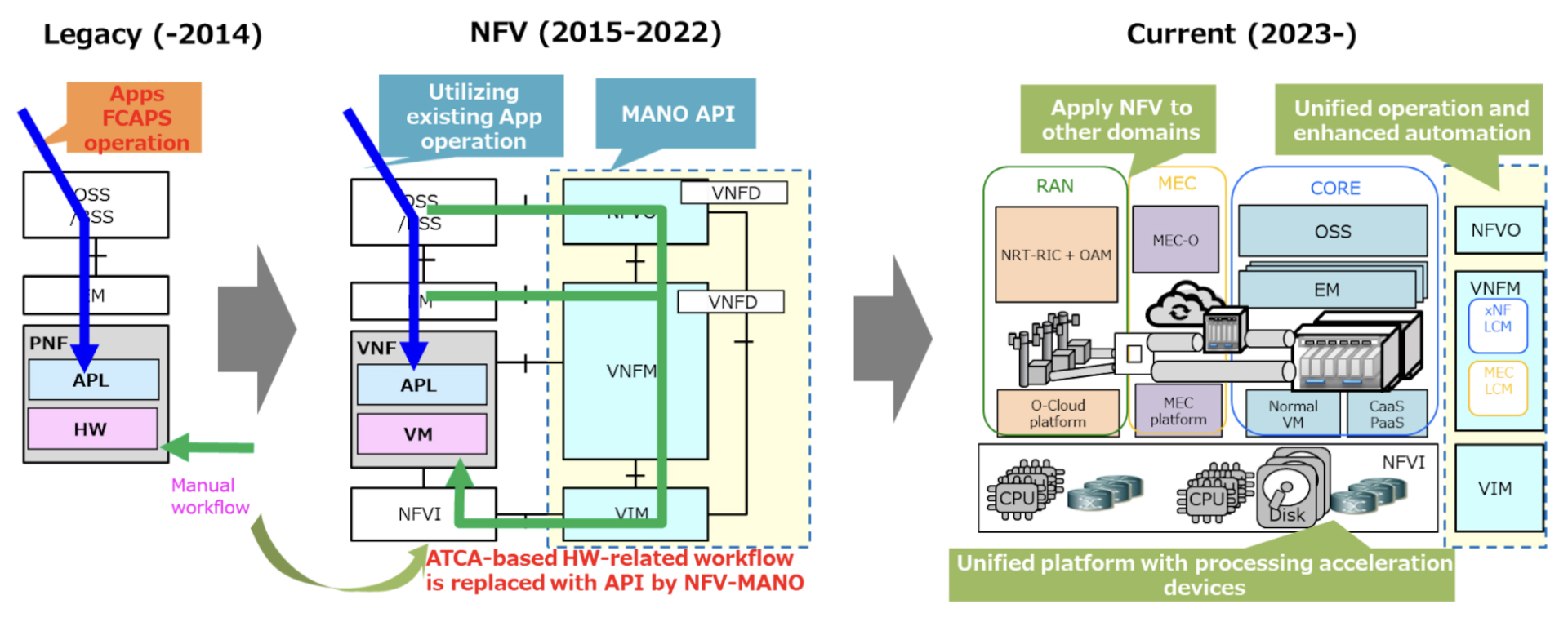
Figure 1: DOCOMO’s network evolution by NFV
To archive this NFV merits and extension, DOCOMO has developed many items with ETSI NFV evolution as figure 3. Initially target of virtualization is EPC on top of OpenStack, and DOCOMO has contributed many capability to manage EPC to ETSI NFV as NFV introduction phase. After development and deployment of EPC, DOCOMO has enhanced operation to unified and automatic maintenance based on NFV specification to extend other NF (Network Function) such as IMS, HSS, enterprise PBX, etc.. by 2018 as NFV expansion phase with OpenStack evolution. Then DOCOMO has developed 5GC and vRAN platform by Container platform to extend 5G domain with new type of operation using cloud-native and Generic VNFM as evolution phase.
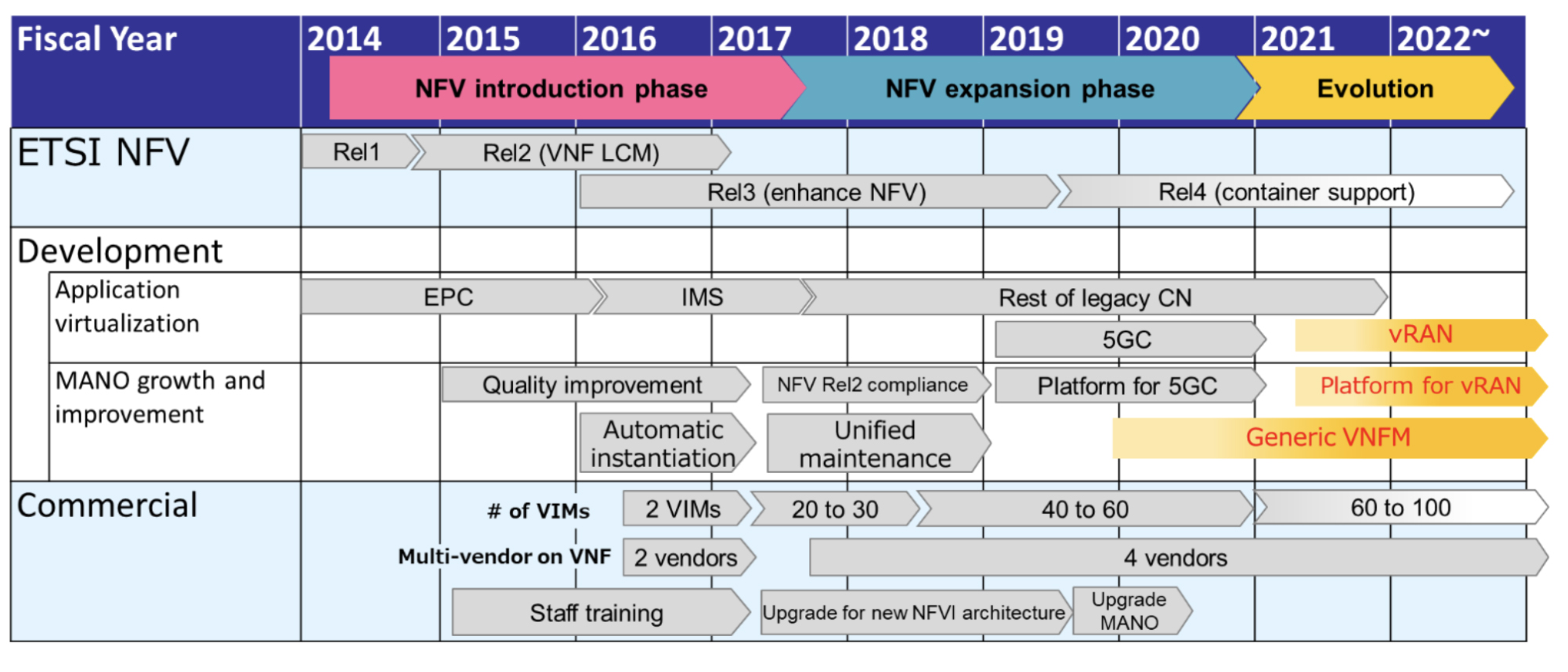
Figure 2: DOCOMO’s NFV development journey
Since DOCOMO adopted a scenario in which EOL NFs were gradually migrated to virtualization, the virtualization rate increased depending on the timing of EOL as figure 4. Accordingly, the size of the DC also increased significantly, and it is now a large DC with nearly 30 DCs and more than 750K CPUs (more than 10,000 servers). In this year, DOCOMO reached 100% virtualization ratio in CORE domain.
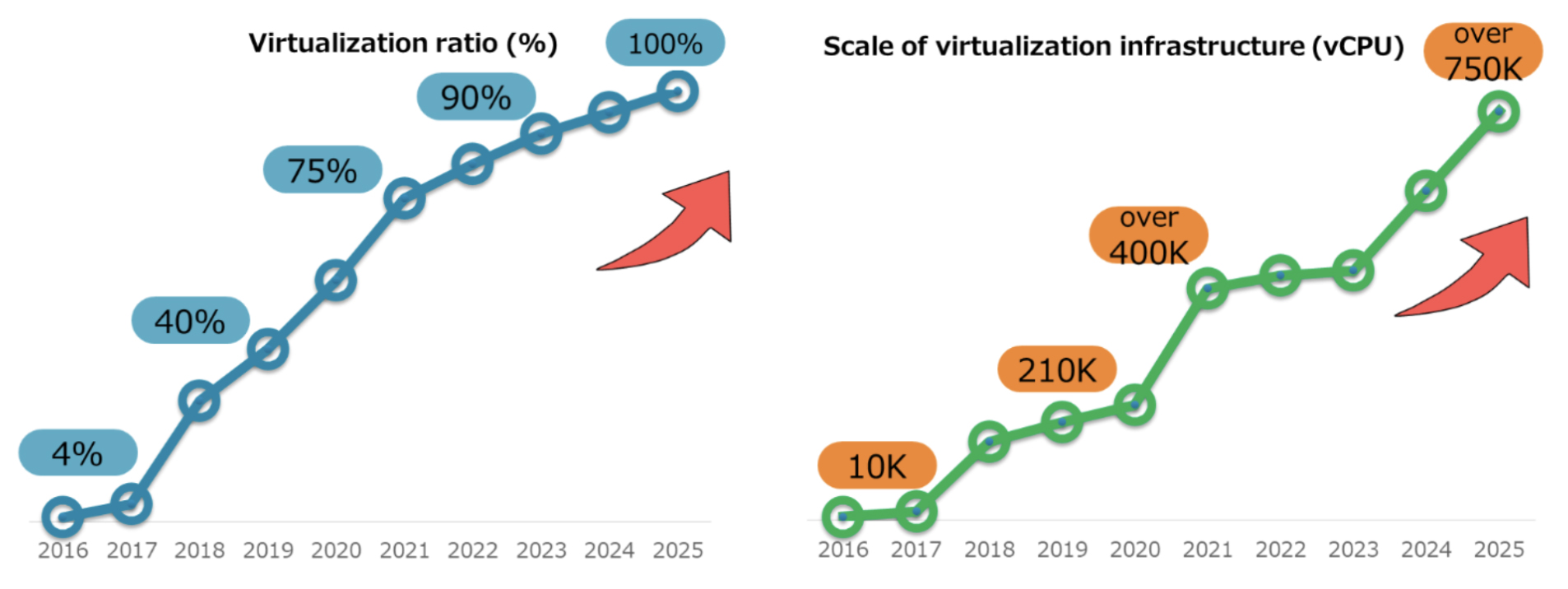
Figure 3: real number of DOCOMO NFV
Although DOCOMO just replaced maintenance work from manual operation to MANO API, DOCOMO has got big benefit as figure 5.
1st big benefit is CAPEX reduction by migrating from dedicated HW to COTS server.
2nd benefit is improvement of agility by instantiation of each VNFs on same resource pool constructed by same DC in advance.
3rd benefit is improvement of connectivity. Depending on traffic, network operator can increase or decrease capacity by scaling VNFs
4th benefit is improvement of reliability. Though VNF level switch over mechanism works to keep service when HW failure, MANO automatically and quickly recreate new VM as redundancy component.
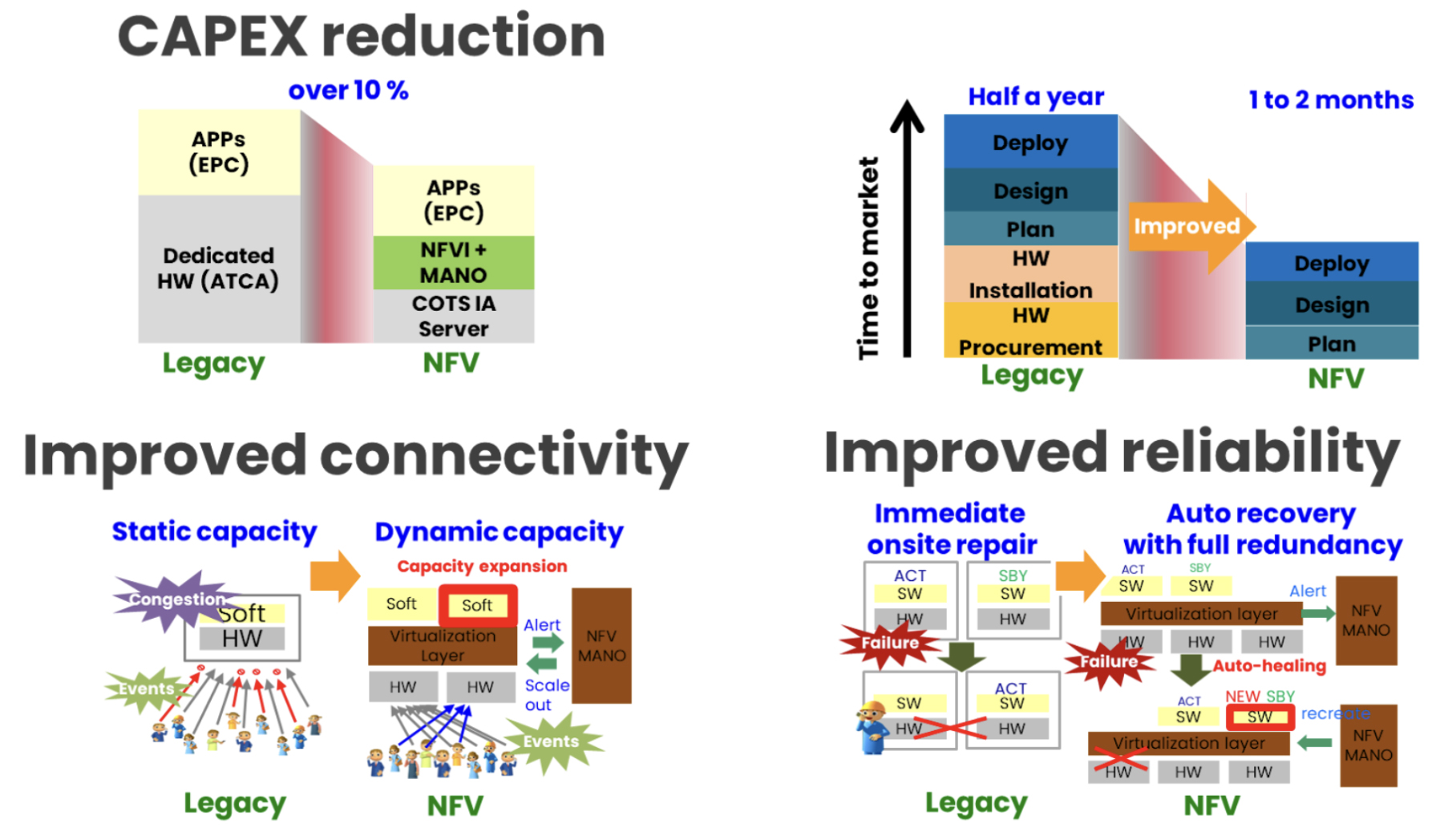
Figure 4: Core network transformation by NFV
On the other hands, DOCOMO learned many lessons from NFV development and operation as figure 6. 1st headache is insufficient decoupling application software and hardware even using virtualization technology. Para-virtualization technology such as CPU pining, NUMA awareness allocation and SR-IOV prevent new server and upgrading NFVI platform. 2nd lesson is telecom specific software and hardware extension impacted on introduction of new server and upgrading NFVI too, and it is huge risk. 3rd lesson is upgrading procedure NFVI and VIM gets longer time like several days and more complex though initial deployment of NFVI and VNF are easy. On a nation-wide scale, upgrades and hardware failures occur somewhere every day, and upgrading in-service under such diverse conditions requires extremely complex and careful operations. 4th headache is customization of interface which prevents backward compatibility and interoperability, especially upgrade process. 5th lesson is specific VNFM does not scale from economical and operational point of view. Network operator needs to integrate all specific VNFM for all VNFMs when MANO and platform is upgraded. Therefore, collaboration with open source is extremely important.
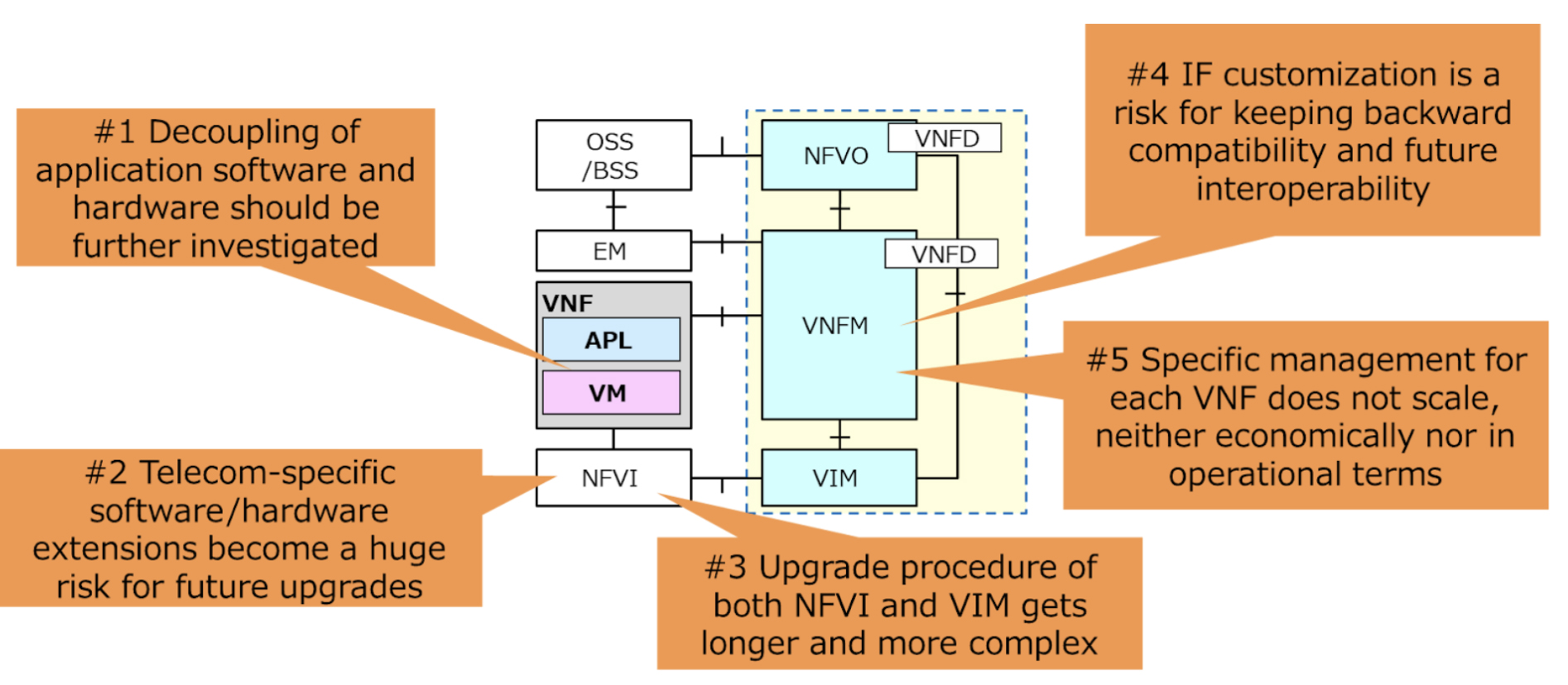
Figure5: Lessons learned from NFV development and operation

此内容由惯性聚合(RSS阅读器)自动聚合整理,仅供阅读参考。 原文来自 — 版权归原作者所有。