





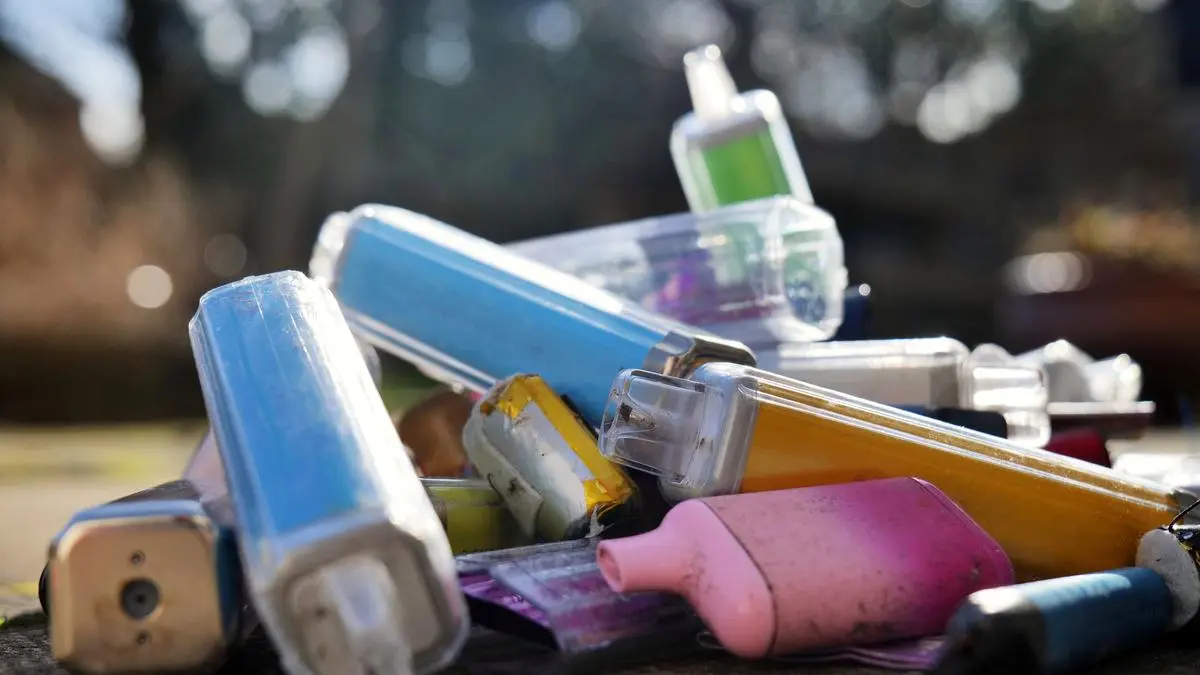
NOT A FIX. Refined nicotine products can hasten addiction | Photo Credit: Benjamin Robinson
As a mother and medical professional, I’ve spent years worrying about invisible threats that quietly enter the home and affect our children. Today, such a threat is posed by novel nicotine products such as vapes, heat-not-burn devices, nicotine pouches, gums and tablets.
My anxiety stems from four key reasons. First are the known health hazards. Vape aerosols are not harmless water vapour. They may contain nicotine, ultrafine particles, volatile organic compounds, heavy metals such as nickel, tin and lead, and toxic chemicals such as formaldehyde, acetaldehyde and acrolein. Some flavouring chemicals, including diacetyl, have been linked to serious lung injury — popularly known as “popcorn lung”. The outbreak of EVALI in the US, where thousands suffered severe vaping-related lung injury, showed that these products can create acute public health crises.
Second is the gateway role these products play. The journey is designed to begin with seemingly harmless flavours — strawberry, bubblegum, mango, mint, chocolate, candy and fruit blends. Youngsters do not see these as tobacco products, but as lifestyle products. They next graduate to nicotine-based e-cigarettes and, eventually, more dangerous variants. Thailand’s ban on “zombie cigarettes” — vapes laced with etomidate, an anaesthetic drug that can cause extreme drowsiness, slowed breathing, low blood pressure, confusion and even fatal unconsciousness — shows how quickly vaping infrastructure can be misused.
Third is the larger strategy to mislead and undo years of education on tobacco’s harms. Vaping is projected as a “harm reduction” tool, especially among young smokers — suggesting it is less harmful than combustible tobacco. However, there is evidence that refined products are not necessarily safer. Refined sugar and processed oils have shown how industrial refinement can increase consumption, reduce natural barriers and create long-term health burdens. In the same way, refined nicotine products may look cleaner, but can spread addiction more rapidly and widely.
Fourth is the incomplete science. Vaping is being normalised when science is still catching up with its long-term effects. Unlike conventional tobacco products, whose harms are now widely documented after a century of research, vapes are relatively new. They have existed globally for barely two decades — there is limited data about the full extent of damage they may cause over years of use.
And that uncertainty should worry us.
Celebrities and influencers glamorise vaping products, especially among the youth. Strong and exemplary action is needed against all forms of direct or surrogate promotion of banned nicotine products.
India has done right in banning vapes. The next step must be to prevent similar nicotine innovations, including nicotine pouches, from entering young people’s lives under the false language of “harm reduction”.
(The writer is Professor and Head of Department-Obstetrics and Gynaecology at Ram Krishna Medical College, Bhopal, and a member of Mothers Against Vaping — a collective against new-age tobacco products. Views are personal)
Published on May 18, 2026
此内容由惯性聚合(RSS阅读器)自动聚合整理,仅供阅读参考。 原文来自 — 版权归原作者所有。