





Serving tech enthusiasts for over 25 years.
TechSpot means tech analysis and advice you can trust.
Looking ahead: Intel is approaching the budget laptop market from a different angle, focusing less on raw performance and more on how these machines are put together. The company's new Project Firefly initiative is built around that idea. Instead of focusing solely on chips, Intel is trying to standardize the entire laptop design process, pairing its Wildcat Lake processors with a common hardware design that laptop makers can use as is or modify. The aim is to make lower-cost laptops feel less like compromises.
In a recent Talking Tech interview, Intel cast Project Firefly as an attempt to reshape the entry-level PC category. The emphasis is on a more unified laptop ecosystem instead of the fragmented approach that has defined this segment for years.
Wildcat Lake is the silicon foundation behind the effort. It's not a scaled-down version of Intel's flagship chips so much as a purpose-built design for everyday computing. The configuration includes two performance cores and four low-power efficiency cores, along with a small neural processing unit and integrated graphics tuned for basic workloads like video playback and light gaming. Intel also simplified the platform with a single-tile layout and a six-layer motherboard, both of which help keep production costs down.
But Intel's argument is that better chips alone won't fix the lower end of the market. Budget laptops have long been defined by trade-offs in materials and components, and many of those decisions happen outside the processor itself. Firefly is meant to address that disconnect by giving manufacturers a more complete starting point.
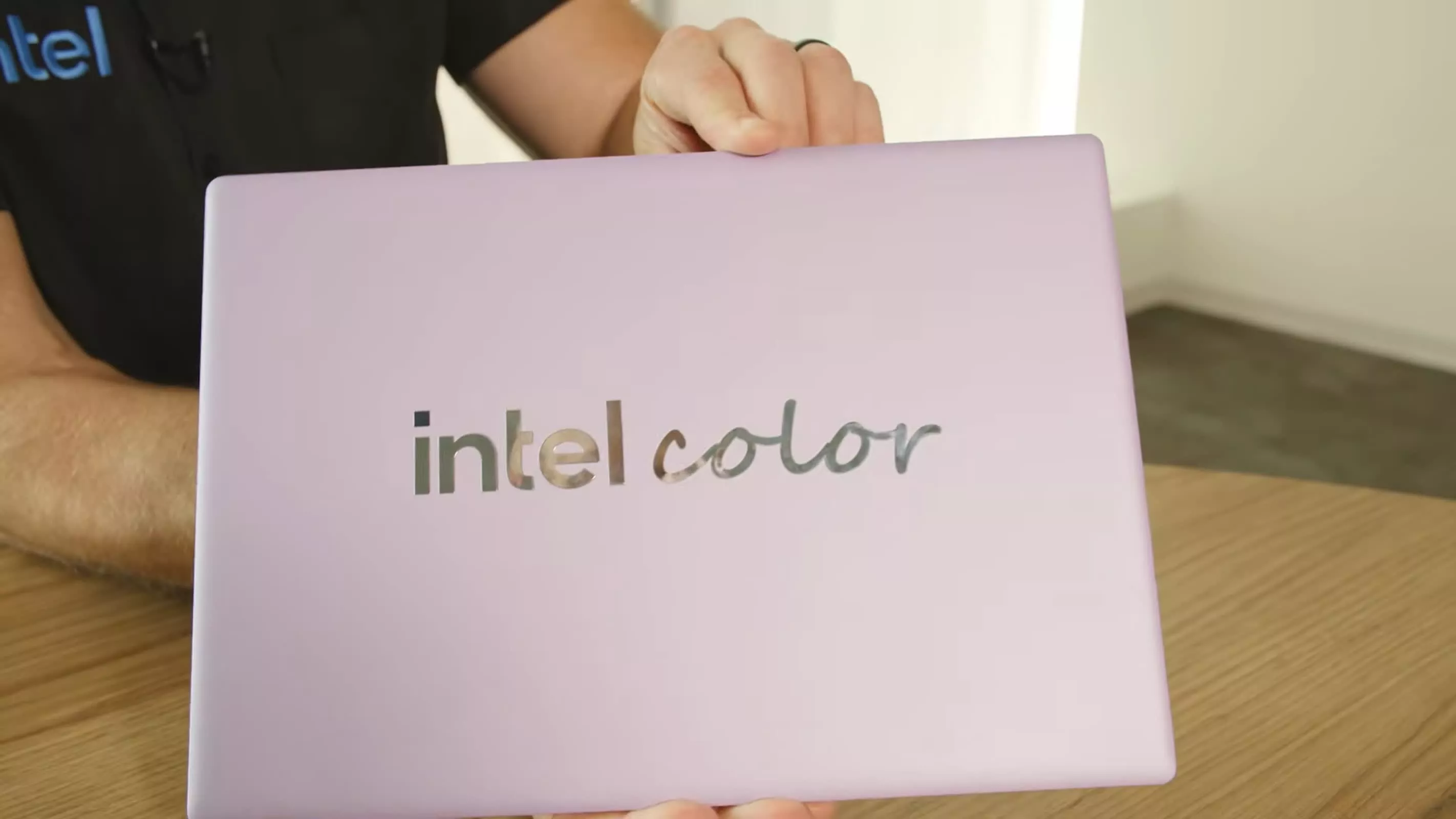
The system comes in at just 12.9 mm thick and uses a metal chassis, a combination that has typically been reserved for more expensive devices. The design also avoids visible ventilation, resulting in a cleaner exterior while still supporting modern connectivity options including USB Type-A, Type-C, and Thunderbolt ports.
One of the more notable shifts is where Intel is sourcing components. Instead of relying entirely on traditional PC supply chains, the company is pulling in parts from the smartphone and tablet ecosystem, particularly for memory and audio. That ecosystem operates at a much larger volume, which makes it easier for Intel and its partners to scale production.
Intel has also packaged key elements together in what it calls a Core Logic Module. This combines the processor with mobile-derived memory into a single unit that can be integrated directly into a laptop design. For manufacturers, that reduces development time and simplifies engineering decisions that would otherwise need to be made from scratch.
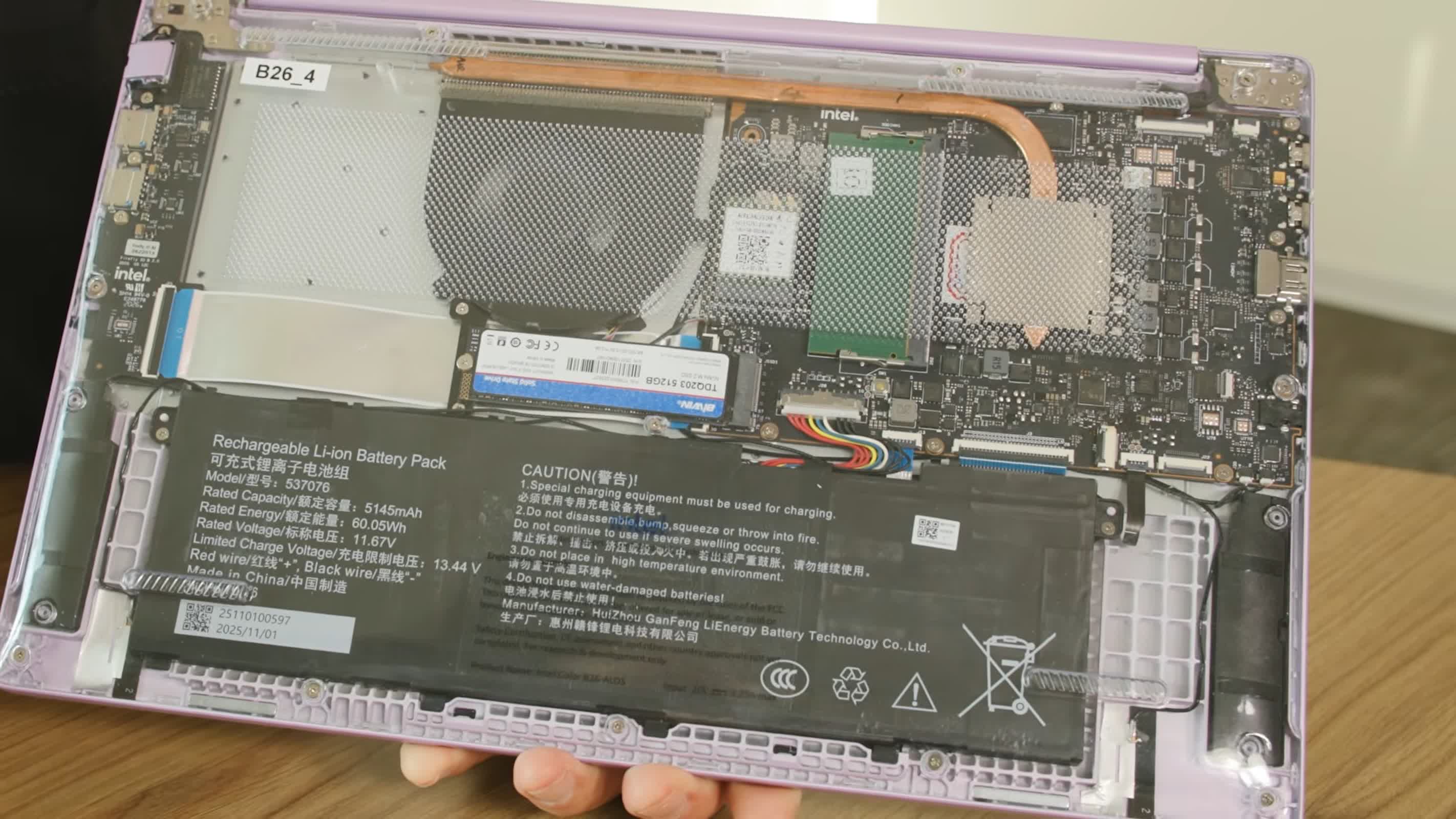
The approach is already being tested in the market. Companies including Dell, Asus, Acer, and Colorful are working with the Firefly framework, with some systems already available and others expected to launch in the near term. Rather than a one-off device, Intel is aiming for a broader shift in how entry-level laptops are designed and produced.
The lower end of the Windows laptop market has seen relatively little meaningful change in recent years, often relying on older architectures and incremental updates. Intel has been clear about the shortcomings of budget Windows laptops, even as it insists Firefly is not aimed at any single rival.
What the company is signaling, however, is a shift in priorities. Instead of treating affordability as a constraint that limits design, Firefly treats it as a problem that can be engineered around. By combining a simplified processor, mobile-scale components, and a shared design framework, Intel is trying to make budget laptops feel more intentional – and less like stripped-down versions of something better.
此内容由惯性聚合(RSS阅读器)自动聚合整理,仅供阅读参考。 原文来自 — 版权归原作者所有。