



New research suggests that Australian employees are breaking all the rules when it comes to artificial intelligence in the workplace.
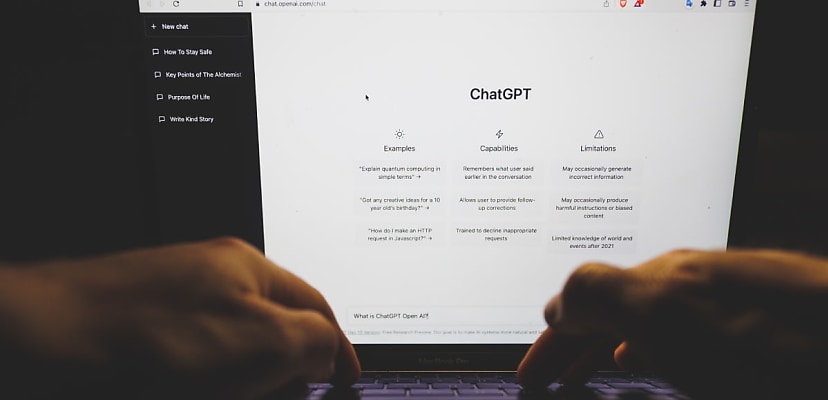
70 per cent of Australian office workers say they make regular use of artificial intelligence tools during their workday, despite company policies restricting their use.
And despite more than half of them – 53 per cent – facing some form of censure for their actions, fully 75 per cent of workers feel they know how to use AI professionally more than the teams managing AI tools.
You’re out of free articles for this month
To continue reading the rest of this article, please log in.
The findings come from new research into AI in the workplace conducted by incident management firm PagerDuty, which polled 1,250 office professionals in Australia, Japan, the UK, and the US.
Perhaps more worryingly, the survey found that 40 per cent of those polled had uploaded customer data to public AI tools, while 28 per cent had entered confidential company data or financial information to their genAI platform of choice.
“It’s clear that Australians are embracing AI, with nearly all of the survey respondents (96 per cent) crediting it for helping them in their personal life. So it makes sense that they want to use the technology to improve their work,” Callum Eade, Vice President, APAC at PagerDuty, told Cyber Daily.
“But this is where the issues can arise. A large majority of workers think they understand AI better than the IT teams that manage it, and when workers feel overly restricted on what tools they can use, it can build tension and frustration between the two groups. This has led many to use unsanctioned AI tools, resulting in Shadow AI.”
One of the leading drivers of attitudes of Shadow AI use is the perception that there are different rules for different workers. 83 per cent believe their leaders operated under a separate set of AI policies than they do, for instance. This in fact may lead workers to believe their secret use of AI is justified.
In fact, 36 of Australian workers polled said they were hiding their AI use in order to avoid scrutiny from their bosses, while 45 per cent keep their use secret so that they cannot be told to stop.
However, while such usage may seem justified, it’s without its risks, according to Eade.
“Leaders should understand the risks Shadow AI can create across the organisation,” Eade said.
“Firstly, it can expose the organisation to potential legal, financial and reputational ramifications when confidential information is fed into public tools.
“Secondly, employees may feel unsupported and willing to pursue other opportunities if they don't receive adequate AI training and skill development opportunities.
“Lastly, an internal cultural disconnect can develop where individuals and teams begin using tools despite the risks, others that don’t want to engage with the tech, and everyone in between.”
Eade believes the takeaway for Australian business leaders is clear: “close the gap between what's approved and what workers want to use to reduce Shadow AI, and invest in their AI skills and training”.
“This will help keep top performers engaged and create a culture where innovation and knowledge sharing are encouraged.”
 Want to see more stories from trusted news sources?
Make Cyber Daily a preferred news source on Google.

David Hollingworth
David Hollingworth has been writing about technology for over 20 years, and has worked for a range of print and online titles in his career. He is enjoying getting to grips with cyber security, especially when it lets him talk about Lego.