


惯性聚合 高效追踪和阅读你感兴趣的博客、新闻、科技资讯
阅读原文 在惯性聚合中打开

推荐订阅源

博客园 - 叶小钗
D
Docker
Google DeepMind News
Y
Y Combinator Blog
钛媒体:引领未来商业与生活新知
钛媒体:引领未来商业与生活新知
Blog — PlanetScale
Blog — PlanetScale
OSCHINA 社区最新新闻
OSCHINA 社区最新新闻
U
Unit 42
博客园 - 【当耐特】
N
Netflix TechBlog - Medium
V
Visual Studio Blog
Microsoft Azure Blog
博客园_首页
Recent Announcements
GbyAI
GbyAI
T
Tailwind CSS Blog
S
SegmentFault 最新的问题
WordPress大学
WordPress大学
T
The Blog of Author Tim Ferriss
Engineering at Meta
Engineering at Meta
L
LangChain Blog
A
About on SuperTechFans
M
MIT News - Artificial intelligence
B
Blog

Futurism

Grok Convinces Man to Arm Himself Because Assassins Are Coming to Kill Him Frontier AI Models Giving Specific, Actionable Instructions to Perpetrate Bioterror Attack AI Slop YouTube Channel Glitches Out in a Way So Bizarre That It’s Vaguely Disturbing Double Murder Suspect Asked ChatGPT How to Hide Body in Dumpster The White House Suddenly Seems Pretty Terrified of Anthropic Democrat and Republican Voters United on Key Issue: Hatred of Data Centers Chinese Court Rules That a Worker Cannot Be Replaced by AI Toilet Maker Spikes in Value as It Flushes Money Into AI New England Journal of Medicine Retracts Paper Because Photo of Patient’s Insides Was Garbled by AI Gen Z Is Turning Against AI in an Incredible Way If OpenAI Loses This Trial, It Could Effectively Be Eliminated in Its Current Form AI Spy Cameras Suddenly Blanketing America Man Trapped in Dystopian Nightmare Thanks to AI Surveillance Cameras Flagging His Every Move John Oliver Just Took the AI Industry Behind a Shed and Beat It With a Pipe Wrench OpenAI Hit With Barrage of Lawsuits Over Failure to Report School Shooter Before Massacre Police Are Using AI Camera Networks to Stalk Women Sam Altman Caught in What May Be His Most Spectacular Lie Yet OpenAI in Shambles as IPO Looms A Tiny Town Is Building So Many Data Centers That There’ll Be Almost Nothing Else Left Weird Things Happen When You Give AI Agents Money and Let Them Spend It Sam Altman Issues Grim Apology Top Medical Journal Publishes Searing Article Warning Against Medical AI New Browser Plugin Adds Typos to Your AI-Generated Emails to Make Them Look Real Experts Warn of AI Swarms Hijacking Democracy With Fake Citizens Devious New AI Tool “Clones” Software So That the Original Creator Doesn’t Hold a Copyright Over the New Version Prestigious Wall Street Law Firm Humiliated When Its AI Use Is Discovered in Court Unions Attack AI for Menacing Human Jobs Your Former Employer Is Selling Your Slacks and Emails to Train AI Three Years Ago Today, “Avengers” Director Joe Russo Predicted There Would Be a Fully AI-Generated Movie Within Two Years Palantir’s Employees Are in Crisis
An Elegant Solution to AI Slop: Tax It, and Use the Resul...
Frank Landym · 2026-05-03 · via Futurism

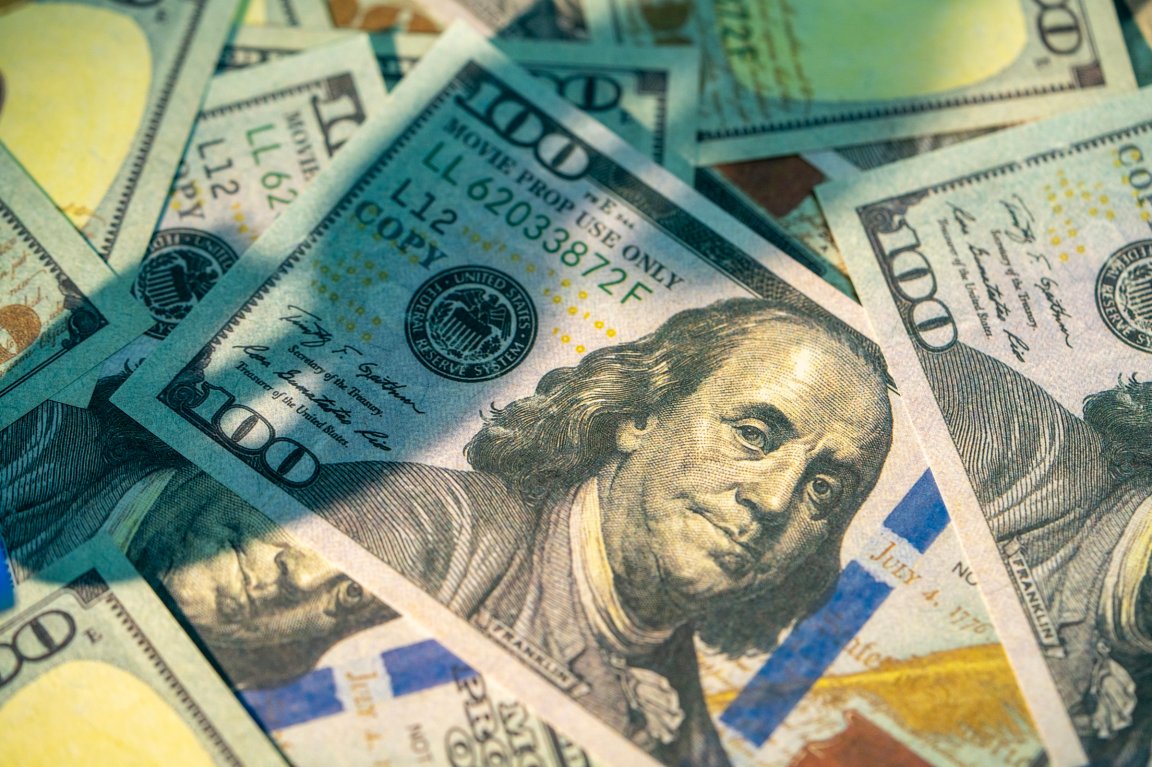
Several U.S. $100 bills are shown, with the prominent portrait of Benjamin Franklin.

Getty Images / Witthaya Prasongsin

Sign up to see the future, today

Can’t-miss innovations from the bleeding edge of science and tech

If you can’t beat ’em, tax ’em. 

AI slop is as certain as government levies these days, infecting every corner of the internet and increasingly intruding on real life. It’s not going away, and surely any attempts to ban the stuff will be futile.

So what should we do about it? Well, why not institute a “slop tax?” proposes technologist Mike Pepi in an essay for The Guardian.

Such a tax would “restore balance to what has heretofore been a one-way extraction,” and “ensure robust institutional support structures for human creativity forced to compete in a sea of meaningless content,” Pepi writes. Essentially, you shave off a little of the AI industry’s bottom line to fund the arts, sciences, and other cultural institutions that they mined for free.

AI slop is more than just an ugly annoyance. In Pepi’s view, it’s a “malicious manipulation of human cognitive labor and the institutions that support it.” These billions of “facsimiles of human creativity and cognition” end up drawing resources away from actual human creatives.

The “slop tax,” as Pepi envisions, would work as follows: if a company “furnishes or hosts generative AI content,” it’s hit with an annual ~1 percent tax. “This revenue goes into a publicly controlled fund that distributes grants back to varying kinds to cultural institutions, artists and researchers — the very same groups the models used as training data.”

The largest AI companies are worth trillions of dollars each, so even a one percent tax will provide a windfall for cultural workers, bedrock cultural institutions, and grants for research, Pepi wrote. The interesting aspect is that the tax rate isn’t high enough to be considered a punitive action, giving AI companies less to rebel against, while still providing a boatload of cash.

How feasible it would be to implement a slop tax in reality is up for debate, but in Pepi’s view it would more meaningfully address one of AI’s catastrophic consequences, the destruction of cognitive and creative labor, than other attempts to rein in the industry. Bernie Sanders’ call for a “pause” on AI, he accuses, borrows “from doomers’ prognostications of a sentient artificial general intelligence — a distracting fantasy more at home in science fiction.”

But a “small tax on the worst parts of the industry,” he says, “could unleash a cultural renaissance.”

More on AI: Trump Is Inflicting Massive Damage to His Public Image by Posting Offensive AI Slop