








Ready to craft successful ad campaigns? Want to find effective ways to promote your products/services? You’re on the right track. In the world of digital advertising, images can speak louder than words. With the rise of social media platforms, Google Ads or blog marketing, the power of using persuasive images is clear. But what makes an image effective? And how can you leverage this in your online advertising efforts?
👀 In this article, we explore 7 essential elements to look for when using images in persuasive advertising. Let’s get started.
What is a persuasive image?
A persuasive image is a visual representation designed to influence the viewer’s attitudes, behaviors, or beliefs. It aims to capture attention, evoke emotion, and ultimately, drive action. By using persuasive pictures, advertisers can establish a connection with the audience, tell a compelling story, and reinforce their brand’s message.
💡 Persuasive images are a key element in persuasive advertising, which taps into emotions, cognitive biases, desires and fears. See some examples of ad copies here.
Use These 7 Elements For Crafting Your Persuasive Advertising Images
📌 Relevance
Needless to say, the image used in your ad should directly correspond to the product, service, or idea being promoted. It should echo the overall message of your campaign to help foster a better understanding of what is being offered.
When an image is relevant, it helps the audience immediately:
- recognize what your brand is about;
- reduce cognitive load; and
- make it easier for viewers to engage with your content.
🔍 Example: an image of a refreshing, ice-cold beverage for a soft drink ad instantly communicates what the product is and how it can benefit the consumer.
📌 Simplicity and Focus
An image with a clear focus and minimalistic design can effectively convey your message without overwhelming or confusing the viewer.
Simplistic images reduce distractions and go “straight to the point”, making the ad’s intent clear.
🔍 Example: a photo ad for a skincare product on Instagram might feature a simple, clean image of the product against a soft, neutral background. The product and product’s name stand out, and the consumer has enough information to understand what is being promoted.

📌 Emotional Appeal
Images that evoke basic emotions can significantly increase engagement and response. This is because our emotional reactions often drive our decisions, including purchasing behavior.
Whether it’s joy, surprise, nostalgia, or even fear, the emotional impact of an image can motivate your audience to take action.
🔍 Example: a photo of a puppy may evoke feelings of warmth and happiness, making it a persuasive image for a pet store ad.
💡 Make sure to understand ethos, pathos and logos ads and how you can leverage those key concepts for your own campaigns.
📌 Color Psychology
Color is a crucial aspect that shouldn’t be overlooked.
The colors used in your images can significantly influence how your brand or message is perceived. Different colors evoke different psychological responses.
🔍 For example:
- red can create a sense of urgency;
- blue often instills trust; and
- green is associated with calm and growth.
By understanding color psychology, you can create images with color schemes that align with your brand personality and the emotional response you want to evoke.
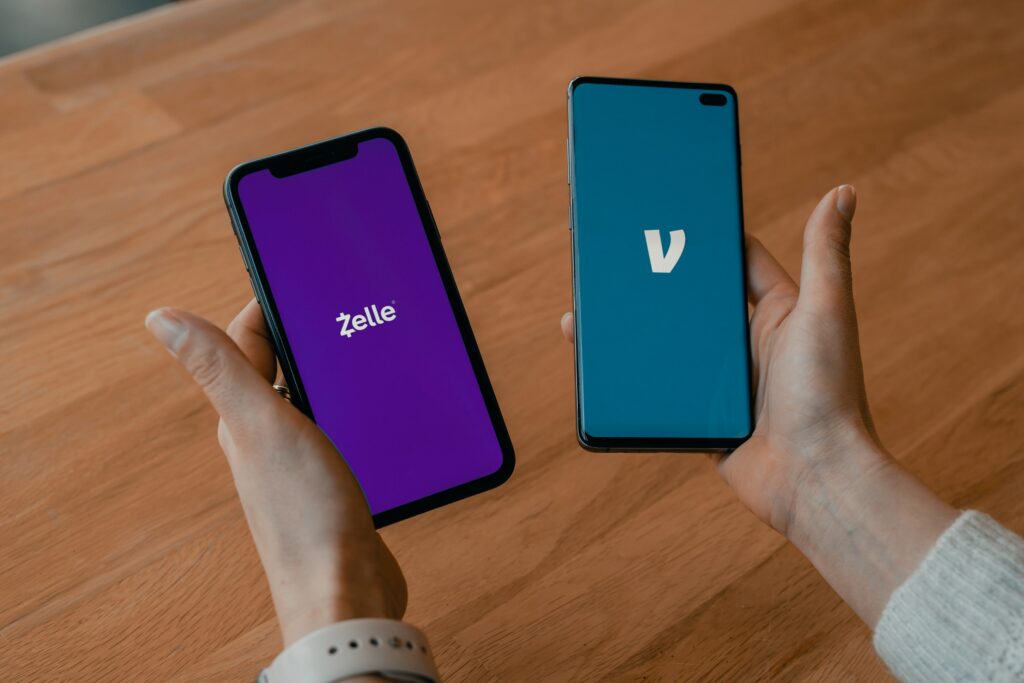
📌 High Quality Persuasive Avertising Images
How effective would your Google ad be if displaying a poor-quality image? It definitely wouldn’t give a good impression on your viewers! And they most likely wouldn’t click.
The quality of your images directly reflects on your brand. High-resolution, professionally shot images can boost the perceived value of your product or service and instill trust in your audience.
On the other hand, low-quality images may harm your brand’s reputation or potential.
💡 Always ensure your images are sharp, clear and professional.
📌 Compelling Call to Action (CTA)
If a good fit with your campaign goal and what you’re promoting, online ads usually display a clear CTA or call-to-action in order to guide your audience towards the desired action, increasing conversion rates.
It’s important to make it stand out through the use of bold colors, large text, or distinctive design elements. The CTA should attract the viewer’s eye immediately, so they understand the action you want them to take.
Your CTA should be concise and direct, leaving no room for ambiguity. Use simple, action-oriented language that clearly communicates what the viewer should do next.
🔍 Whether it’s “Buy Now”, “Sign Up”, “Join the Community”, or “Learn More”, a well-placed and visually striking CTA can grab attention and prompt immediate action.
💡 Not sure how to use CTAs on Instagram? Here’s the perfect guide for you.
📌 Brand Consistency of Persuasive Images
Finally, all your images should align with your brand’s aesthetic and values. This includes your color scheme, typography, and the overall style of your images.
Consistent branding helps:
- increase brand recognition;
- builds trust with your audience; and
- reinforces your brand identity across all marketing platforms.
Consider Free Image Banks for Your Persuasive Advertising Campaigns
Don’t have the resources to create your own images? Not an issue. Fortunately, there are numerous websites that offer high-quality, copyright-free images.
Here are a few popular platforms:
- Unsplash: A wide variety of high-resolution photos from photographers around the world.
- Pexels: An extensive library of images and videos across numerous categories.
- Pixabay: Over a million free stock images, videos, and music.
- Burst: Burst is a free stock photo platform for entrepreneurs by Shopify. The images are both free and royalty-free.