







Engineers at Penn State have created a soft electronic implant that wraps around a major artery and lowers blood pressure using gentle electrical stimulation, offering a possible alternative for patients who fail to respond to medication.
The device, called CaroFlex, combines 3D-printed stretchable electronics with a gel-like adhesive that sticks directly to living tissue without stitches. In animal studies, the system reduced blood pressure levels while avoiding much of the irritation and tissue damage associated with traditional implants.
Researchers said the technology could eventually support new treatments for drug-resistant hypertension, a condition that leaves many Americans dependent on multiple medications with limited results.
Most implantable bioelectronics use rigid metals and plastics that struggle to move naturally with blood vessels. Arteries constantly expand and contract during circulation, placing stress on stiff devices attached to their surface.
That movement can weaken the implant’s connection over time and damage nearby tissue.
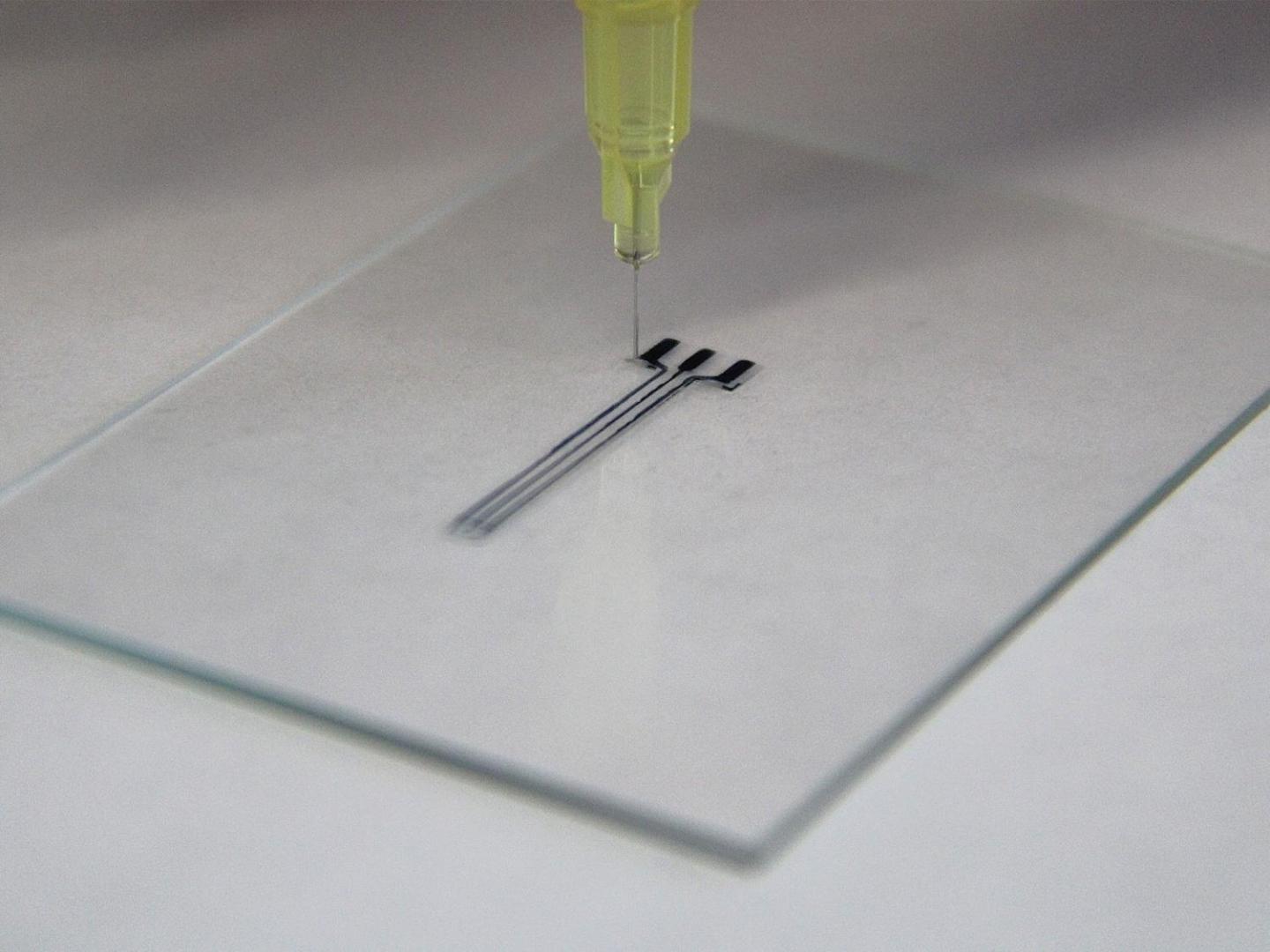
The Penn State team approached the problem differently. Instead of hard materials, the researchers built CaroFlex from conductive hydrogels, soft materials that closely mimic the flexibility of biological tissue.
The implant also uses an adhesive hydrogel layer that allows it to bond directly to the artery wall without surgical stitching.
“These devices are usually held in place with stitches,” said Tao Zhou, assistant professor of engineering science and mechanics at Penn State. “These stitches can cause damage to the tissues they’re integrated with over time.”
CaroFlex targets the body’s baroreflex, a built-in system that regulates blood pressure through nerve signals. The implant sits near the carotid sinus, a section of the carotid artery that contains pressure-sensitive nerve endings.
Those receptors constantly monitor changes in blood flow and send signals to the brain, which then adjusts heart rate and blood vessel tension. By delivering low-frequency electrical pulses, the implant stimulates those receptors and influences how the body responds to rising blood pressure.
“For many patients, even taking a combination of three to five medicines doesn’t alleviate their high blood pressure,” Zhou said. He added that bioelectronic therapies may provide another option for patients whose hypertension remains uncontrolled despite standard treatment.
Before animal testing, researchers evaluated the implant’s durability and electrical performance in laboratory experiments. The hydrogel structure stretched to more than twice its original size before breaking.
The adhesive material also maintained stable performance after six months in storage.
The team later implanted CaroFlex into rats and monitored blood pressure changes during short stimulation sessions. Four of the five electrical settings tested reduced blood pressure by more than 15% on average.
Researchers also compared the device with conventional platinum-based electrodes. According to the team, CaroFlex maintained more reliable contact with tissue and delivered steadier electrical performance.
Two weeks after implantation, the surrounding tissue showed little evidence of inflammation or immune system activity.
The researchers now plan to optimize the device further before advancing toward larger animal studies and future clinical testing in humans. They also believe 3D printing could help speed up the development of personalized bioelectronic implants for cardiovascular diseases and other chronic conditions.
The study is published in the journal Device.

Get the latest in engineering, tech, space & science - delivered daily to your inbox.
Aamir is a seasoned tech journalist with experience at Exhibit Magazine, Republic World, and PR Newswire. With a deep love for all things tech and science, he has spent years decoding the latest innovations and exploring how they shape industries, lifestyles, and the future of humanity.
此内容由惯性聚合(RSS阅读器)自动聚合整理,仅供阅读参考。 原文来自 — 版权归原作者所有。