


Hyperscalers alone are expected to pour more than $700 billion into AI infrastructure in 2026 and a growing number of voices, including OpenAI CEO Sam Altman, have warned that investor excitement may be outrunning reality.
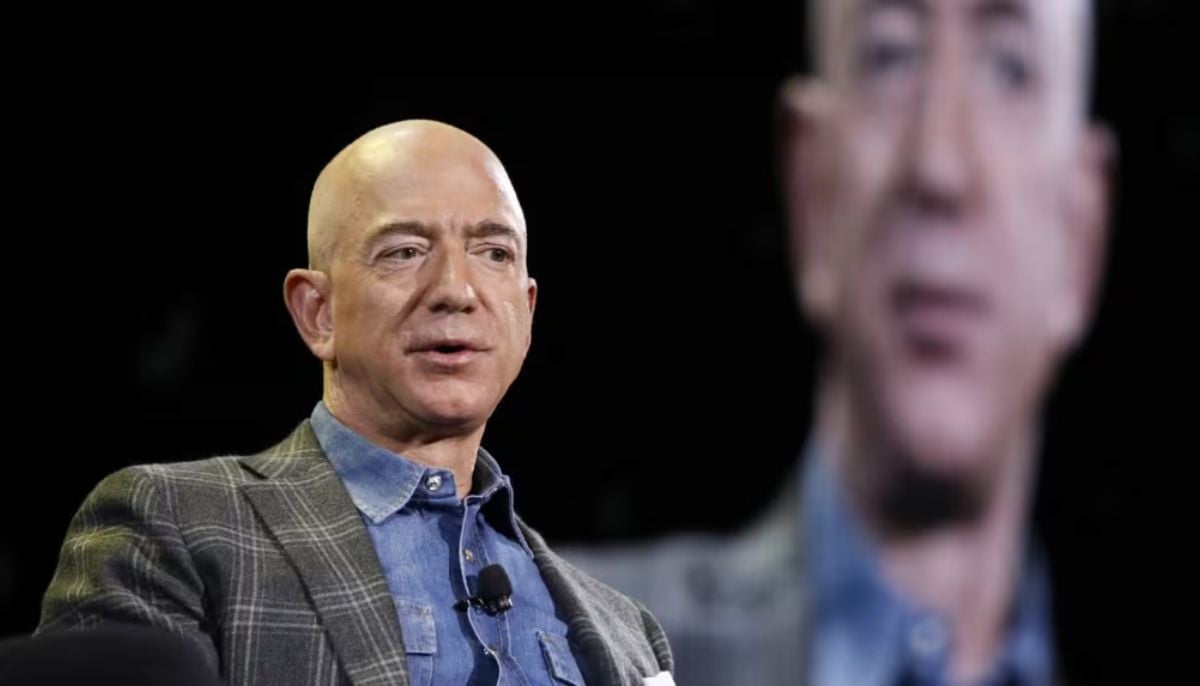
Jeff Bezos disagrees with the worry, if not the diagnosis. Speaking to CNBC's Andrew Ross Sorkin on Squawk Box, the Amazon founder argued that even a bubble scenario produces an outcome worth having.
"Even if it does turn out to be a bubble, you shouldn't worry about it because the bubble is driving investment and a lot of the investment is going to turn out to be very healthy," he said.
Bezos reached back to the 1990s biotech frenzy to make the case. That cycle ended in a market crash and significant investor losses but it also funded the research that produced a generation of life-saving drugs that outlasted the speculation.
"A lot of investors lost money on certain things, but we still got to keep all the life-saving drugs that they had invented," he said. His argument treats the financial cycle and the technological output as separable: the crash is a problem for portfolios, not for progress.
Bezos pointed out explicitly that the present climate is such that the investors are funding both the good and the poor ideas equally.
"It's because investors at this moment haven't learned yet how to discriminate between good ideas and bad ideas," he added. According to his assessment, this is part and parcel of the early days of an industrial revolution. The profits from the successful ventures will make up for the losses from the failures.
此内容由惯性聚合(RSS阅读器)自动聚合整理,仅供阅读参考。 原文来自 — 版权归原作者所有。