惯性聚合 高效追踪和阅读你感兴趣的博客、新闻、科技资讯
阅读原文 在惯性聚合中打开

推荐订阅源

奇客Solidot–传递最新科技情报
奇客Solidot–传递最新科技情报
J
Java Code Geeks
I
InfoQ
V
Visual Studio Blog
M
MIT News - Artificial intelligence
H
Help Net Security
博客园_首页
Blog — PlanetScale
Blog — PlanetScale
F
Fortinet All Blogs
Apple Machine Learning Research
人人都是产品经理
人人都是产品经理
G
Google Developers Blog
A
About on SuperTechFans
腾讯CDC
让小产品的独立变现更简单 - ezindie.com
Last Week in AI
Last Week in AI
小众软件
小众软件
aimingoo的专栏
aimingoo的专栏
罗磊的独立博客
大猫的无限游戏
大猫的无限游戏
Cyber Security Advisories - MS-ISAC
云风的 BLOG
云风的 BLOG
S
SegmentFault 最新的问题
WordPress大学
WordPress大学

PYMNTS.com

Crypto Payments Are Back. Will Merchants Actually Care This Time? B2B’s New Battlefield Is Everything Before the Button Amazon Targets the GLP-1 Gap Big Pharma Left Open LendingClub Signals Expanded Capabilities With Happen Bank Rebrand Congress Moves to Give FinTechs Direct Fed Payment Access Microsoft Tests Mythos to Identify and Mitigate Vulnerabilities United Airlines Hikes Fares as Fuel Costs Surge OpenAI Images 2.0 Is a Real Leap With a Real Price Tag Morgan Stanley Says Gaming Could Score $22 Billion With AI FTC Shuts Down Alleged Healthcare Fraud Scheme Sam’s Club Offers eCommerce Shoppers Hour-or-Less Deliveries FinTechs Cut Staff as AI and Margins Redefine Growth JPMorganChase Extends Critical Industries Investment Program to Continental Europe OpenAI Lands $75 Million Investment From Robinhood Ventures House Bill Would Reduce Small Lenders’ Reporting Requirements Coinbase Lists tGBP to Expand Locally-Denominated Stablecoin Access BNY Names New Head for Payments/Trade Client Platform KnowBe4 Automates Global Cash Flow Via Flywire Partnership Treasury Calls for Programmable Financial Enforcement Across Crypto DeepSeek Seeks $20 Billion Valuation as Tech Giants Weigh Investment Google Accelerates Agentic AI Shift With New Enterprise Platform OpenAI Begins Briefing Governments on Cybersecurity Capabilities DeFi Security Suffers New Blow With $3 Million Volo Exploit Uninvited Users Access Anthropic’s Mythos AI Model Block and Uber Expand Partnership Across Several Global Markets OpenAI Pledges $1.5 Billion to PE Enterprise AI Project Podcast: Inside the $9 Billion DeFi Hack That’s Shaking Crypto’s Foundations Synchrony CFO Flags Momentum in Spending and Credit Banks Risk Slowing the Emerging Middle Market Firms Driving Growth Paysafe Expands Digital Wallet Availability Across 18 European Markets
FDIC Finds Steep Rise in Loans From Banks to Nonbanks
PYMNTS · 2026-04-24 · via PYMNTS.com

By  |  April 23, 2026

 | 

FDIC nonbank loans

A new FDIC report monitors the sharp rise in lending from banks to nonbanks.

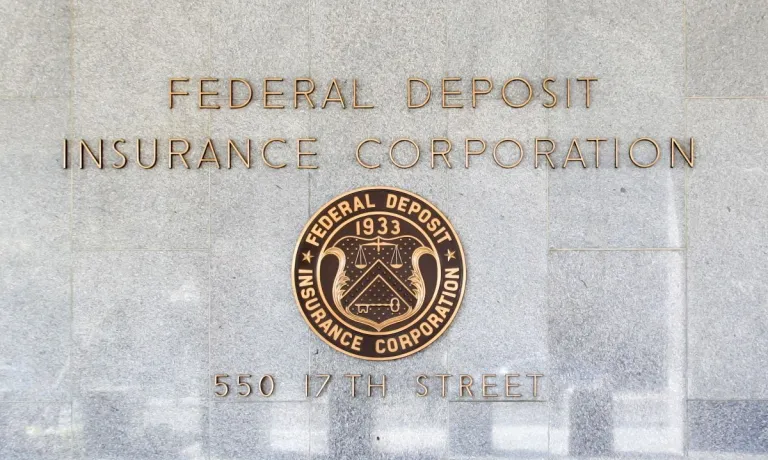
That’s according to the Federal Deposit Insurance Corp.’s (FDIC) 2026 Risk Review, which noted that outstanding balances of bank loans to so-called nondepository financial institutions (NDFIs) have increased at a compound growth rate of 22.7%.

That’s more than triple the rate of the next largest category (multifamily lending), the banking regulator said in its report, issued Thursday (April 23). The FDIC said entities classified as NDFIs include private equity/private credit firms, insurers and mortgage lenders. The FDIC says there’s a risk here, though an indirect one.

“In an economic downturn, NDFIs may need to sell assets, causing downward pressure on asset values that can affect valuations for assets pledged for collateral or held by other NDFIs and banks,” the report said.

“NDFIs that rely on less stable funding sources could also face significant liquidity stress due to margin calls on collateral pledged under their bank facilities.”

By the end of 2025, outstanding balances to NDFIs reached $1.4 trillion, representing 5.6% of total industry assets. While 2025 saw a 35.2% year-over-year growth, the FDIC noted that part of this spike was driven by revised reporting requirements.

Advertisement: Scroll to Continue

These new rules provide a granular look at where the money is going: roughly 57% of NDFI lending is now directed toward credit intermediaries that provide mortgage, business and consumer loans.

The report underscores a deep interconnectivity between traditional banks and the “shadow banking” sector. This lending is heavily concentrated among the nation’s largest players; 86% of NDFI loan balances are held by banks with more than $100 billion in assets.

At the very largest institutions (those with assets of more than $250 billion), NDFI loans have surged from just 1.2% of total loans in 2010 to 15.6% today.

The FDIC also noted figures from the Federal Reserve, as covered here last year, showing that bank loans to NDFIs reached roughly $1.14 trillion last year.

The findings come amid an ongoing debate over the rise of private credit, as PYMNTS wrote recently. Private credit funds have attracted investors seeking higher yields than those available in public bond markets. 

“The asset class exists largely outside the transparency standards applied to traditional banking or public debt markets,” PYMNTS wrote last month.

“Loans are normally held in private portfolios and valued internally by the funds that originate them, which can mask deteriorating credit conditions until stress becomes impossible to ignore.

“The overarching concern may not herald an imminent crisis, but the structure of the market could amplify shocks if credit conditions deteriorate.”