








Two rare disease outbreaks within two weeks — Andes hantavirus and ebola — have caused deaths and triggered costly international responses. Together, they expose a gap not in our ability to respond, but in our willingness to anticipate, prevent, and use precaution.
The hantavirus outbreak on a cruise expedition in the South Atlantic played out slowly. Three weeks passed between the death of one passenger on April 11 and the linkage to hantavirus on May 2.
In that time, passengers onboard the MV Hondius continued their itinerary, having been advised that the man had probably died of natural causes. They toured remote islands and ate together at the same tables. More than 30 passengers disembarked at St Helena and flew in different directions.
From April 27, the picture worsened on the ship. A passenger was medevaced from Ascension, several others fell ill, and one woman died.
A remote adventure cruise became a costly international health event, requiring World Health Organization (WHO) coordination, the intervention of the Spanish prime minister, and governments chartering planes to bring their nationals home from Tenerife for weeks of isolation. Cases may still emerge.
The second outbreak was immediately alarming. An Africa Centres for Disease Control and Prevention (Africa CDC) report on Friday last week cited 65 deaths and more than 260 cases of ebola in the Democratic Republic of the Congo (DRC), concentrated in the remote province of Ituri, bordering Uganda and South Sudan.
As it is endemic in the DRC, ebola is usually picked up early — even one or two deaths have been reported to the WHO. This outbreak had been spreading for weeks before confirmation. When it was finally identified as the rare Bundibugyo strain, Africa CDC and the WHO alerted the world promptly.
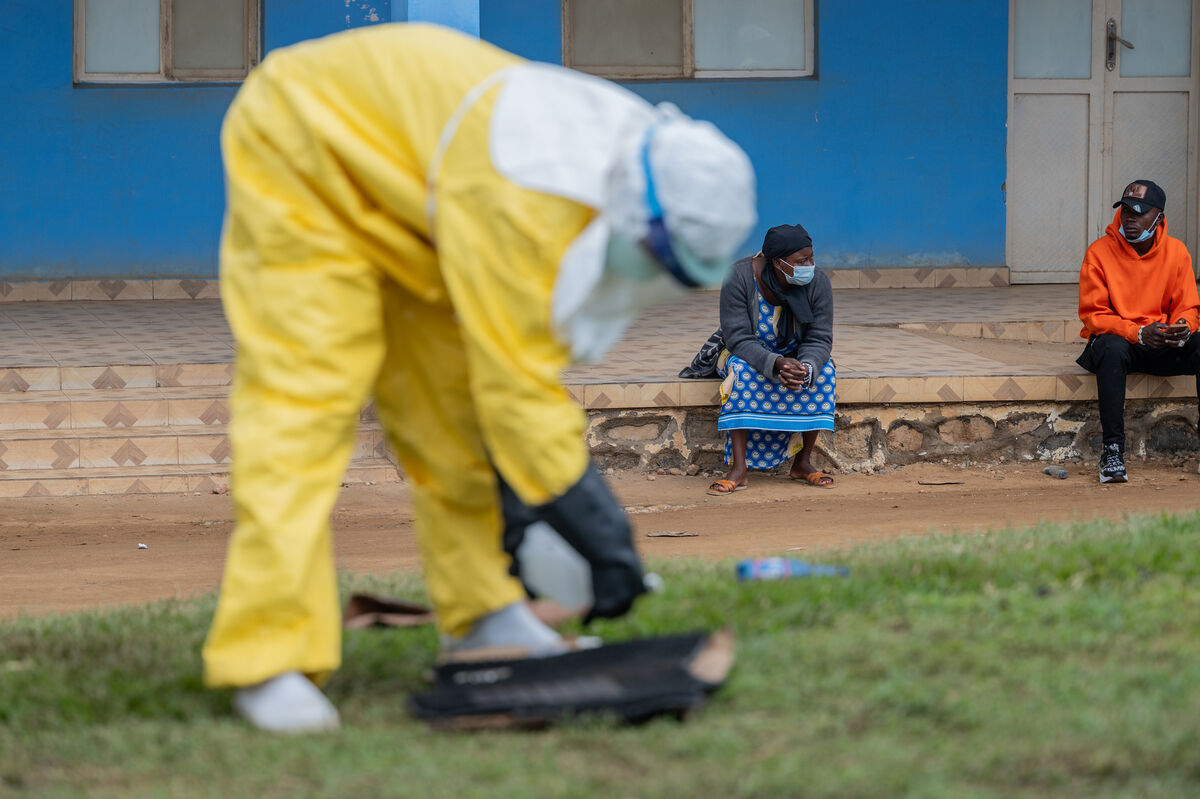
The human cost of the spread of the virus is devastating. Ituri is a region already vulnerable due to conflict and successive health crises. Communities there endured two years of the DRC’s worst ebola outbreak yet, which ended only in 2020. Health workers operate in difficult conditions, often without reliable infrastructure or supplies.
Identifying disease and responding under these circumstances is a huge challenge, and national and international support is essential for early detection and preparedness in the world’s most vulnerable settings.
There are lessons in every outbreak. For both of these, predicting and acting on known risks could have saved lives and prevented international health crises.
Andes hantavirus is endemic to Argentina, and cases have been rising this year. More than 500 ships depart Ushuaia annually, many carrying passengers who have enjoyed nature before embarking. Andes hantavirus transmits between people through close contact, as a 2018 outbreak demonstrated when an infected man passed the virus to four people sharing his table, and another during a brief greeting.
When a passenger on a cruise departing Ushuaia develops acute respiratory illness, hantavirus must be a consideration. Ship medical protocols should reflect the endemic disease landscape of their departure ports. While people may not want to mask up or isolate on a trip of a lifetime, the alternative has proven to be much worse.
In Ituri, when testing for the Zaire strain returned negative, cases were apparently set aside. In a country with a long and painful history of ebola, a haemorrhagic fever cluster should be treated as potentially the disease until definitively proven otherwise.
This is what risk-informed precaution means in practice: that geography, endemic disease patterns, and local outbreak history should shape what clinicians and surveillance systems plan and look for.
A standing multidisciplinary body of scientists — epidemiologists, ecologists, clinicians, and other experts — dedicated to mapping these known risks continuously and translating them into geographically tailored protocols could make this kind of anticipation systematic rather than accidental.
These gaps matter beyond hantavirus and ebola. A surveillance system that misses a hemorrhagic fever or fails to consider endemic risks at a departure port will be equally blind to something far more dangerous — a novel pathogen or a known virus which has quietly acquired the capacity for wider spread and could become the next pandemic. The next disease to exploit these weaknesses may not give us weeks to work out what is happening. It may give us days.
Based on what we know, both outbreaks carry a 32% case fatality rate. Both were possibilities in the context in which they emerged.
The question is not whether we can afford smarter surveillance and risk-informed preparedness; it is whether we can afford to ignore the warning signs of climate, biodiversity loss, and disease patterns which are right in front of us if we are alert to them.
此内容由惯性聚合(RSS阅读器)自动聚合整理,仅供阅读参考。 原文来自 — 版权归原作者所有。