


惯性聚合 高效追踪和阅读你感兴趣的博客、新闻、科技资讯
阅读原文 在惯性聚合中打开

推荐订阅源

Y
Y Combinator Blog
The GitHub Blog
The GitHub Blog
云风的 BLOG
云风的 BLOG
Engineering at Meta
Engineering at Meta
Google DeepMind News
aimingoo的专栏
aimingoo的专栏
Recent Announcements
A
About on SuperTechFans
U
Unit 42
MyScale Blog
MyScale Blog
J
Java Code Geeks
博客园_首页
Blog — PlanetScale
Blog — PlanetScale
D
Docker
Microsoft Azure Blog
博客园 - 司徒正美
量子位
月光博客
月光博客
G
Google Developers Blog
V
V2EX
博客园 - 聂微东
宝玉的分享
宝玉的分享
IT之家
IT之家
Vercel News
Vercel News

JPost.com - Business & Innovation | The Jerusalem Post

The innovation bridge: A new paradigm for the US-Israel alliance - opinion Your Investments: Financial freedom and Jerusalem unification Your Taxes: How Israel’s new war compensation system works Victory for the Negev vision: Light Rail will reach gates of the intelligence campus - opinion Only 45% of Tel Aviv Stock Exchange companies made donations in 2025, study finds “Within 5 to 6 Years, all of Israel will be connected to a single water network” Forget the model wars, the real AI challenge is orchestration -opinion Israeli-Cypriot cyber company to unveil Starlink de-anonymizing tool - report Cellular Intelligence strikes deal with Novo Nordisk to advance Parkinson’s cell therapy Israel’s inflation dynamics remain under control IDF reservists created 150 new startups during last year, innovation program reveals Trump to regulate AI development after Anthropic's Mythos posed cybersecurity threat - report Your Investments: Prosperity in Israel takes time, but aliyah is worth it Your Taxes: An agreement is an agreement Inside Inspiraction, the Jerusalem incubator helping young Israelis turn ideas into start-ups Israeli-founded AI biotech Immunai expands AstraZeneca cancer collaboration The death of the US Jewish Orthodox middle class- opinion Real estate giant invests $200 million into Miami’s high-tech hub: What’s Flow Wynwood? Almost half of operational decisions will be done by AI in 2030, IBM reveals - poll It’s all about timing! 2026 is a rare opportunity window for Tel Aviv real estate A new standard of hospitality How Israel’s new reporting rules change the olim tax holiday - opinion Senior R&D managers are paying the price of the AI revolution - opinion Consumer guilt costs companies billions in abandoned online shopping carts - study A strategic miss: R&D is Israel's brain - so why does it develop, manufacture abroad? - opinion Connecting neighbors under fire: The story behind Angels of the Shelter AI is ending era of ‘job immunity’ for young tech workers as it reshapes Israel's job market Israeli AI startup cracks code of who is at fault when system fails: What do they do? - interview Your Taxes: Israel’s lower mid-market is tempting international M&A buyers Your Investments: Second chances, respect, and newlywed finance
Gulf states consider bypassing Strait of Hormuz with new ...
2026-04-02 · via JPost.com - Business & Innovation | The Jerusalem Post

The Financial Times reported that the Gulf states aim to create a new network of pipelines, roads, and railways to stop relying on the Strait of Hormuz.

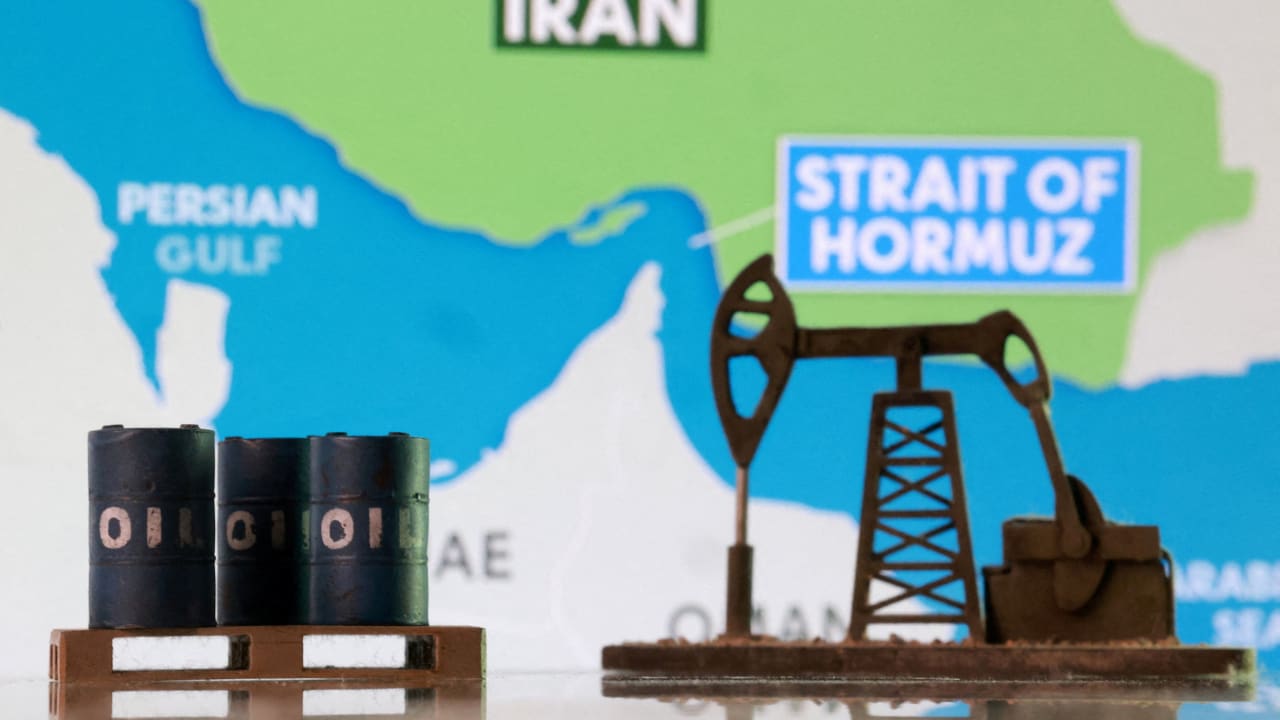
3D-printed oil barrels, an oil pump jack and a map showing the Strait of Hormuz and Iran appear in this illustration taken March 2, 2026.
(photo credit: REUTERS/DADO RUVIC/ILLUSTRATION)
ByTOBIAS HOLCMAN
Updated:

The Gulf states are considering expanding their oil pipelines beyond the Strait of Hormuz in a bid to bypass dependence on the crucial Persian Gulf waterway for exports, The Financial Times reported on Thursday morning.

One of the main options examined reportedly includes a trade route that would connect the Arabian peninsula with the Mediterranean through the port of Haifa.

According to the report, Saudi Arabia has been the only Gulf state to maintain a steady flow of oil exports amid the war, mainly thanks to the East-West pipeline, which connects its oil fields to the Red Sea port of Yanbu and bypasses the Strait.

“In hindsight, the East-West pipeline looks like a genius masterstroke,” a senior Gulf energy executive told FT.

The report mentions that the new projects being considered include not only a new pipeline or the expansion of current infrastructure, but rather the creation of a new network of pipelines, trains, and roads that would allow us to stop relying on the Strait of Hormuz.

Christopher Bush, the chief executive of the Lebanese construction company Cat Group, which was one of the main builders of the Saudi East-West pipeline, confirmed to FT that the company "had inquiries about various pipelines."
A 3D printed natural gas pipeline is placed in front of displayed Saudi Arabian flag in this illustration taken February 8, 2022.
A 3D printed natural gas pipeline is placed in front of displayed Saudi Arabian flag in this illustration taken February 8, 2022. (credit: REUTERS/DADO RUVIC/ILLUSTRATION)

India-Saudi-Israel project takes force

The main project mentioned in the FT report is the US-led IMEC, which would connect India to the Mediterranean Sea via a network of roads, railways, and pipelines. The main challenge for this plan would be securing Saudi Arabia's agreement to include the port of Haifa on the route.

Yossi Abu, the chief executive of Israeli company NewMed Energy, said that the pipes to the Mediterranean were needed for people "to control their own destinies, with their friends."

“You need oil pipelines, railway connectivity throughout the region, onshore, without giving others bottlenecks to choke us,” Abu told FT

Prime Minister Benjamin Netanyahu said on Monday that the only solution to the Strait of Hormuz crisis would be to reroute the pipelines to gain easier access to the Mediterranean.

"Long-term solutions include rerouting energy pipelines westward, across Saudi Arabia to the Red Sea and Mediterranean, bypassing Iran's geographic choke point," Netanyahu explained in an interview with conservative US media outlet Newsmax.

Netanyahu noted that while a military solution might offer short-term stability, a deal that eliminates the strategic importance of the Strait might be the best route in the long term.