惯性聚合 高效追踪和阅读你感兴趣的博客、新闻、科技资讯
阅读原文 在惯性聚合中打开

推荐订阅源

I
InfoQ
博客园 - 司徒正美
爱范儿
爱范儿
F
Fortinet All Blogs
J
Java Code Geeks
量子位
酷 壳 – CoolShell
酷 壳 – CoolShell
博客园 - 三生石上(FineUI控件)
腾讯CDC
让小产品的独立变现更简单 - ezindie.com
S
SegmentFault 最新的问题
Microsoft Security Blog
T
The Blog of Author Tim Ferriss
V
V2EX
L
LangChain Blog
aimingoo的专栏
aimingoo的专栏
奇客Solidot–传递最新科技情报
奇客Solidot–传递最新科技情报
云风的 BLOG
云风的 BLOG
T
Tailwind CSS Blog
Blog — PlanetScale
Blog — PlanetScale
GbyAI
GbyAI
A
About on SuperTechFans
有赞技术团队
有赞技术团队
Y
Y Combinator Blog

PYMNTS.com

Google Accelerates Agentic AI Shift With New Enterprise Platform DeFi Security Suffers New Blow With $3 Million Volo Exploit Uninvited Users Access Anthropic’s Mythos AI Model Block and Uber Expand Partnership Across Several Global Markets OpenAI Pledges $1.5 Billion to PE Enterprise AI Project Podcast: Inside the $9 Billion DeFi Hack That’s Shaking Crypto’s Foundations Synchrony CFO Flags Momentum in Spending and Credit Banks Risk Slowing the Emerging Middle Market Firms Driving Growth Paysafe Expands Digital Wallet Availability Across 18 European Markets Bad Data Can Break Good AI in Payments 50% More Digital Shopping Days Put Parents at the Center of Retail’s Shift 65% Call Insurance Essential. Why Most Spending Isn’t So Clear-Cut Amazon Recasts Marketplace Fraud as a Broader Trust Problem Capital One’s Q1 Shifts Attention From Spending to Strategy Lawmakers Question JetBlue About Surveillance Pricing Allegations Small Businesses Stop Chasing Amazon on Delivery Speed Google Embeds AI Into Chrome for 3.5 Billion Users Adobe Plans Outcome-Based Pricing for New AI Product Suite UnitedHealth Spends $1.5 Billion on AI and Wants Double Back MiCA Forces Crypto Firms to Get Licensed or Get Out Prediction Market Kalshi Targets Crypto Perpetuals New York Sues Coinbase and Gemini Over Prediction Markets Amazon and Anthropic Deepen Ties With Investment and Hardware Pact Commercial Loans Show US Economy Defies Sluggish Forecasts The Web Is Gaslighting AI Agents and Nobody Can Tell OCC Enters the Interchange Fight and Raises the Stakes Amazon Dismisses New Evidence in California Antitrust Suit AI Finds Its Best Customer on Main Street Coinbase Opens Services Marketplace for Agentic Commerce Feds Start Processing $127 Billion in Tariff Refunds for Importers
Google Thwarts First AI-Generated Zero-Day Exploit
PYMNTS · 2026-05-12 · via PYMNTS.com

 | 

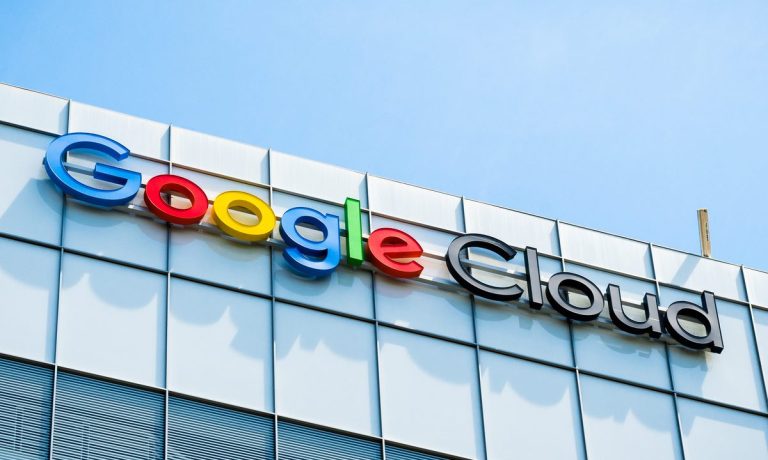
Google Cloud

Google Threat Intelligence Group (GTIG) said Monday (May 11) that it identified and may have prevented the use of the first zero-day exploit developed with artificial intelligence.

Writing in the latest GTIG AI Threat Tracker, which was released Monday (May 11), GTIG said a criminal threat actor planned to use the zero-day exploit in a mass exploitation event, but GTIG may have prevented it with proactive counter discovery.

After identifying the zero-day vulnerability in a Python script that enables the user to bypass two-factor authentication on an open-source, web-based system administration tool, GTIG worked with the impacted vendor to responsibly disclose the vulnerability and disrupt the threat activity, according to the report.

GTIG said it has “high confidence” that the threat actor used an AI model to discover and weaponize the vulnerability.

“As the coding capabilities of AI models advance, we continue to observe adversaries increasingly leverage these tools as expert-level force multipliers for vulnerability research and exploit development, including for zero-day vulnerabilities,” GTIG said in the report. “While these tools empower defensive research, they also lower the barrier for adversaries to reverse-engineer applications and develop sophisticated, AI-generated exploits.”

Other AI-related threat activity highlighted by GTIC in the report includes AI-augmented development for defense evasion, autonomous malware operations in which models dynamically generate commands, and AI-augmented research and information operations campaigns that generate synthetic media and deepfake content at scale.

Advertisement: Scroll to Continue

The report also spotlighted obfuscated LLM access, in which threat actors pursue anonymized access to models to illicitly bypass usage limits, and supply chain attacks in which adversaries target AI environments and software dependencies as an initial access vector.

“Attackers rarely shy away from experimentation and innovation, but neither do we,” GTIG said in the report. “In addition to sharing our findings and mitigations with the larger security and AI community, Google employs proactive measures to stay ahead of these constantly changing threats.”

In earlier editions of the GTIG AI Threat Tracker, the organization noted a new form of intellectual property theft called “model extraction attacks” or “distillation attacks” and threat actors’ use of AI for not only productivity gains but also “novel AI-enabled operations.”

The International Monetary Fund (IMF) said in a Thursday (May 7) blog post that at a time of rapidly accelerating cyber risk driven by AI, cybersecurity is a core financial stability issue and should be treated as such by policymakers.