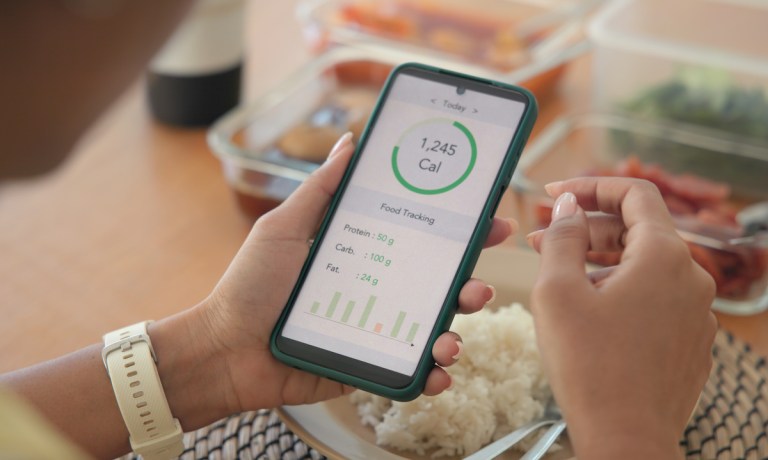
Wearables track sleep, heart rate and recovery in real time. Logging a meal still means searching a database, estimating a portion and typing it in by hand. That gap has been one of digital health’s most stubborn problems.
Polyverse, the developer behind CalCam, is trying to close it. The app uses Google’s Gemini 2.0 Flash model to identify meals and generate calorie and nutrient breakdowns from a single photograph. The user takes a picture. CalCam handles the rest.
Where Wearables Stop
Consumer health platforms have built deep visibility into body metrics. Nutrition sits outside that loop. Unlike fitness trackers that automatically measure heart rate and step counts, nutrition tools have largely depended on manual inputs, a structural mismatch that researchers have documented for years.
Nutrola found that approximately 80% of calorie tracker users stop logging within the first two weeks, with traditional tracking requiring 15 to 23 minutes of daily data entry across three to five meals. A decade-long scoping review found that the time cost of manual entry is a leading contributor to declining adherence across calorie-counting apps.
A user who stops logging food after two weeks generates an incomplete data picture. The wearable keeps running. The nutrition record goes dark.
Making Food Machine-Readable
CalCam addresses that problem at the input layer. According to Google Developers Blog, the app uses Gemini 2.0 Flash to process a meal photo through prompts that identify food items, estimate portion weight and calculate macronutrient distribution, including sauces and seasonings that manual loggers typically omit. The model returns structured output that feeds directly into CalCam’s interface, cutting the step between analysis and display.
Advertisement: Scroll to Continue
Speed was a deliberate design constraint. Polyverse reported that results were delivered approximately one second faster after switching to Gemini 2.0 Flash from earlier models, along with a 20% increase in user satisfaction with food recognition results. For an app whose value rests on frictionless logging, latency matters as much as accuracy.
Earlier image-recognition tools struggled with plated dishes, mixed meals and restaurant portions. Multimodal models handle those cases differently. Gemini 2.0 Flash identified not just the dish but also sauces and seasonings, contributing to a more comprehensive macronutrient breakdown. That moves food from a category requiring human interpretation to one a model can parse in the background.
Engagement Problem
Health platforms have spent the past decade building retention around body metrics. Food has been the missing variable. Feed.fm reported that holistic platforms combining workout data, recovery and nutrition outperformed single-metric tools in user retention in 2025, with analysts identifying nutrition as a leading gap for platforms building toward 2026.
Photo-based logging removes the activation cost that manual entry creates. A 2021 meta-analysis found that consistent food self-monitoring more than doubles the probability of achieving meaningful weight loss at 12 months. The bottleneck isn’t motivation. It’s friction.
Consumer appetite for AI-assisted health tools is growing alongside the technology. PYMNTS Intelligence found that roughly one in four U.S. consumers said they’d allow an AI agent to help manage health and wellness information.
Polyverse plans to extend CalCam with AI-driven recipes and personalized coaching features. The company hasn’t disclosed user numbers or revenue. A broader rollout is planned for later this year.