惯性聚合 高效追踪和阅读你感兴趣的博客、新闻、科技资讯
阅读原文 在惯性聚合中打开

推荐订阅源

腾讯CDC
Microsoft Azure Blog
L
LangChain Blog
Y
Y Combinator Blog
Microsoft Security Blog
宝玉的分享
宝玉的分享
B
Blog RSS Feed
MongoDB | Blog
MongoDB | Blog
Jina AI
Jina AI
D
Docker
B
Blog
Engineering at Meta
Engineering at Meta
Last Week in AI
Last Week in AI
OSCHINA 社区最新新闻
OSCHINA 社区最新新闻
I
InfoQ
G
Google Developers Blog
博客园 - Franky
freeCodeCamp Programming Tutorials: Python, JavaScript, Git & More
让小产品的独立变现更简单 - ezindie.com
The GitHub Blog
The GitHub Blog
T
The Blog of Author Tim Ferriss
大猫的无限游戏
大猫的无限游戏
阮一峰的网络日志
阮一峰的网络日志
U
Unit 42

PYMNTS.com

Treasury Calls for Programmable Financial Enforcement Across Crypto DeepSeek Seeks $20 Billion Valuation as Tech Giants Weigh Investment Google Accelerates Agentic AI Shift With New Enterprise Platform OpenAI Begins Briefing Governments on Cybersecurity Capabilities DeFi Security Suffers New Blow With $3 Million Volo Exploit Uninvited Users Access Anthropic’s Mythos AI Model Block and Uber Expand Partnership Across Several Global Markets OpenAI Pledges $1.5 Billion to PE Enterprise AI Project Podcast: Inside the $9 Billion DeFi Hack That’s Shaking Crypto’s Foundations Synchrony CFO Flags Momentum in Spending and Credit Banks Risk Slowing the Emerging Middle Market Firms Driving Growth Paysafe Expands Digital Wallet Availability Across 18 European Markets Bad Data Can Break Good AI in Payments 50% More Digital Shopping Days Put Parents at the Center of Retail’s Shift 65% Call Insurance Essential. Why Most Spending Isn’t So Clear-Cut Amazon Recasts Marketplace Fraud as a Broader Trust Problem Capital One’s Q1 Shifts Attention From Spending to Strategy Lawmakers Question JetBlue About Surveillance Pricing Allegations Small Businesses Stop Chasing Amazon on Delivery Speed Google Embeds AI Into Chrome for 3.5 Billion Users Adobe Plans Outcome-Based Pricing for New AI Product Suite UnitedHealth Spends $1.5 Billion on AI and Wants Double Back MiCA Forces Crypto Firms to Get Licensed or Get Out Prediction Market Kalshi Targets Crypto Perpetuals New York Sues Coinbase and Gemini Over Prediction Markets Amazon and Anthropic Deepen Ties With Investment and Hardware Pact Agentic B2B Is Here. Are Your Contracts and Invoices Ready? Apple Hardware Leader John Ternus to Succeed CEO Tim Cook The Web Is Gaslighting AI Agents and Nobody Can Tell OCC Enters the Interchange Fight and Raises the Stakes
Nike Customers Sue to Recover Tariff-Related Refunds
PYMNTS · 2026-05-11 · via PYMNTS.com

 | 

Nike tariffs

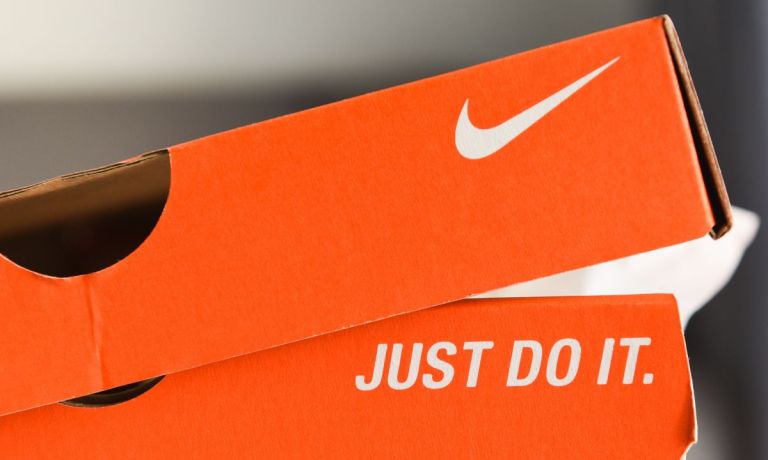
Nike customers have reportedly sued the sneaker giant to recover tariff-related refunds.

The proposed class action lawsuit accuses Nike of not refunding the costs it passed onto consumers in higher prices in response to President Donald Trump’s so-called “Liberation Day” tariffs, Reuters reported Friday (May 8).

The plaintiffs argue that the company should not be allowed to keep “significant” refunds it can expect following a Supreme Court ruling which declared the tariffs illegal.

According to Reuters, Nike has said it paid around $1 billion in tariffs on imported items after the White House imposed new tariffs. Consumers say the company increased prices on some shoes by $5 to $10 and $2 to $10 on some apparel items to cover the costs.

“Nike has made no legally binding commitment to return tariff-related overcharges to the consumers who actually paid them,” the complaint reads. “Unless restrained by this court, Nike stands to recover the same tariff payments twice — once from consumers through higher prices and again from the federal government through tariff refunds.”

A spokesperson for Nike declined to comment when reached by PYMNTS.

Advertisement: Scroll to Continue

As covered here last year, Nike was among a group of several “blue chip companies” that “reported 9- to 10-figure headwinds due to tariffs” in the latter half of the year.

Other companies facing legal action from customers seeking tariff refunds include FedEx, Costco and RayBans-maker EssilorLuxottica.

Meanwhile, research by PYMNTS Intelligence cataloged the impact of tariffs on businesses throughout the past year.

For example, surveys taken in September found that 48% of product executives said tariffs represented a long-term U.S. policy direction, while another 45% described them as a mix of short- and long-term measures. Just 7% viewed them as temporary.

Later in the year, 47% of goods product leaders said tariffs were mostly or completely negative for business finances, while 88% were still anticipating supply chain disruptions. However, around two-thirds of goods firms and 80% of services firms said tariffs could bolster supply chain resilience over time.

“The data reflects a shift from reaction to normalization,” PYMNTS wrote last month. “Tariffs are now embedded in planning assumptions rather than treated as external shocks. The next phase is less certain. Firms have adjusted, but the question is whether those adjustments can support renewed growth and not simply continued defense.”