






There's nothing worse than an embarrassing first impression. When a reader consumes your content for the first time, you want to leave them feeling confident that you know what the heck you're talking about. That's why conducting proper research before you speak to the masses is ever important. This week's newsletter is about mastering the art of great research, utilizing Google to its fullest potential, and knowing when a source is dependable. Let's go!
In this week's issue 📨
- Using modern research to rank well
- Google search operators
- Recognizing credible sources
Was this email forwarded to you? Subscribe here!
Reliable resources

If you want to use your creative work to solve problems, one of the first steps is to be an upright researcher. With so much information out there, researching a subject you're passionate about can feel overwhelming, but there's always a way to keep a clear head and streamline the process so you can build brand credibility while capturing your audience's attention.
Let's break down how to create standout articles using modern research so you can solve problems and gain trust.
Define your goals
- To avoid getting buried in a mountain of information, keep a clear end goal in mind so you know when you can stop researching. Start by outlining the major idea of your article so you don't get lost in a maze of endless link clicking and reading. The more you practice researching, the more streamlined it'll get.
- Remind yourself that you don't need to know everything about a subject to start writing about it. Once you understand the main points, what should be included, and how to support your findings, you can move on to writing and getting your content out there for the world to see.
Explore your ideas and gather resources
- After coming up with an idea, reflect on what you already know and what questions you have. Recognizing and harnessing your own viewpoint will ensure your finished product will be uniquely you. Jot down all your thoughts with apps like Notion and save important links using the Ghost Bookmarker.
- Use your favorite search engine to find reliable resources, and use tools like Instapaper to save articles, images, and videos, or anything else that's useful. Remember that you don't need to read every single word or watch every single second. Just ensure each piece is data-driven and keep it readily available.
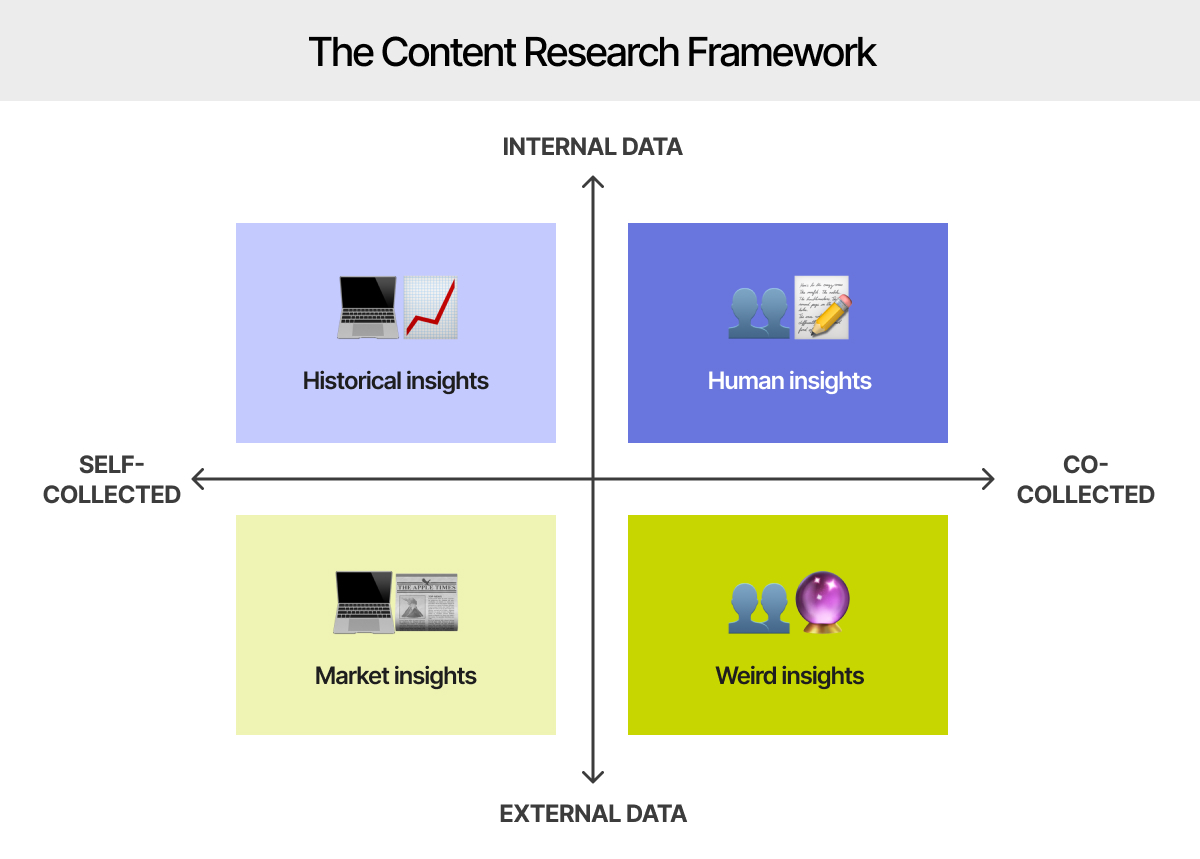
Connect the dots and organize
- Once you have a healthy collection of resources, it's time to hunker down and absorb everything. Take notes as you read, watch, and listen to all of your materials, capturing what stands out, like trends, quotes, and any additional questions. Consider what your readers will find important as you graze.
- Organize the best parts into a concise outline. This helps you avoid getting carried away with the writing process, so your content doesn't get too big or complicated. Focus on resources that are easy to understand and support your major points so everything makes sense.
Scope out the competition
- Don't be shy about checking out what your competitors are cooking up to ensure you're not missing anything important. Your work should be distinct and feel complete, so consider connecting with other creators in your niche to fill in any gaps with expert insight.
- Everyone has written about everything, so it's ok if you're covering a popular topic that's already been dissected. What makes your work special is what makes you unique. Use your own experiences to approach topics from different angles. You will always be one of your most valuable resources.
Interesting stories & ideas 📚
- The two types of value – Jay Acunzo
- How does AI make sense of language? – The Content Technologist
- Streamline your content strategy – Relato
- Does work-life balance make you mediocre? – Cal Newport
- The audience shortcut – Nathan Barry
Smooth operator

Remember when searching for something online was clean and simple? Most of us use Google to find what we need, but these days, a simple search may lead to more confusing questions rather than fulfilling answers. This is where search operators come into play. These are special characters and commands that make your search results more focused, so you can get the exact info you were expecting.
Joshua Hardwick, Head of Content at Ahrefs, provides advanced ways to use Google search operators to speed up your search.
#1 Find indexing issues using "site:" or if you're only looking for search results from a particular website. Don't want a web page of your own showing up in Google? Block it with noindex rules.
#2 Analyze your competitors using "related:" to find websites that align with your niche. This can also give you some insight into how Google categorizes your own website. To review a competitor's site traffic, use a traffic checker.
#3 Locate files using "filetype:" to find specific files you need or don't want showing up in Google. If you have certain content behind a paywall, you wouldn't want someone finding it for free. You can noindex these files, too.
#4 Find an expert's email address on social media using "email" in addition to the "site:" prompt. People often share their contact info on their socials, and this helps you find it quickly rather than skimming through hundreds of posts.
#5 Discover relevant questions to answer using "site:" and "inurl:(topic 1 | topic 2)" for sites like Quora. Because Quora uses the actual question as the URL, you can use these commands to search for multiple topics at once.
#6 Check the activity of your peers using "site:" combined with "before:" and "after:" to see what they've accomplished within a specific time period. You can also use Ahrefs Site Explorer to sift through trillions of data insights.
Full of craap

Whether you're researching within your niche or using Google to find multiple needles in many haystacks, it all boils down to this: credible sources. How do you know what you're putting out into the world is the real deal? Finding an answer doesn't automatically make it reliable, so it's your responsibility as a creator to identify misinformation in your research.
The team at Purdue Global explains how to know if a source is legit, so you can ensure your content is credible.
‣ A source is only as credible as the creator's or company's reputation. Where does the information come from, and who wrote it? Are they a known expert on the topic? Check their professional background, affiliations, and prioritize peer-reviewed sources when possible.
‣ All pieces of info carry some sort of perspective, so it's wise to know whether something is based on objective research or an opinion. Bias doesn't mean bad. Just make sure the materials you're using align with your values as a brand and as a person so you can continue building audience trust.
‣ Sources who are trustworthy are usually transparent about their research methods. You'll also find that their writing style gives off a professional tone without spelling errors or sensationalism. When all else fails, remember CRAAP: Currency, Relevance, Authority, Accuracy, and Purpose.
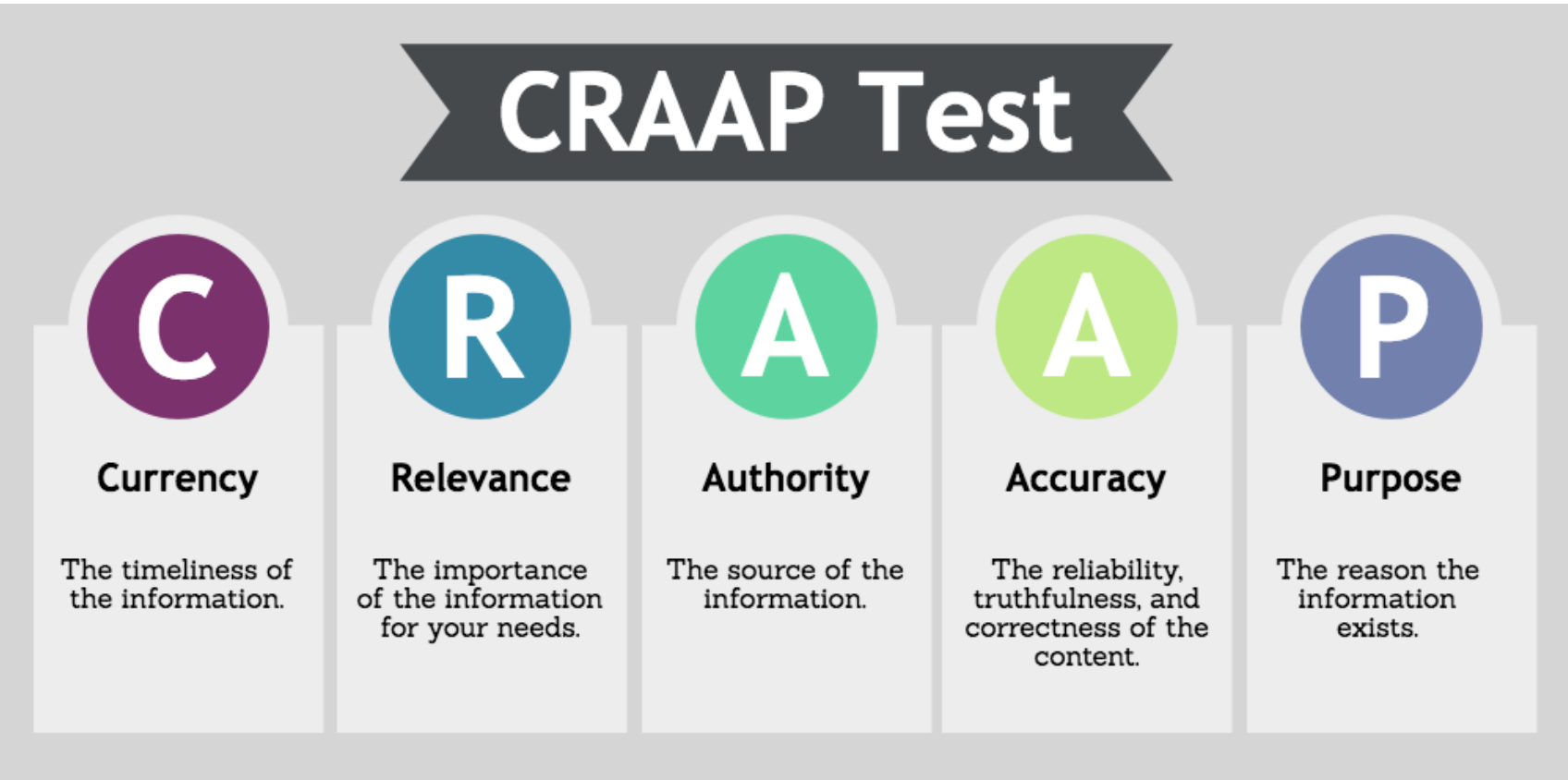
‣ Is the information current and up-to-date, or is it old news? The world is moving faster than ever these days, and something that was written just a year ago may no longer be relevant. Is your topic constantly evolving, or is it based on long-accepted facts? Always check publication dates!
‣ Knowing the intent of the source can help you determine whether it's relevant or not. Is the information evidence-based, or is it trying to persuade? Both angles are valid, but understanding the difference is crucial, depending on the type of content you create and what your subscribers expect.
‣ Research the reputation of your sources so you don't hurt your own. Do they have a good standing in the creator community? Is their work frequently cited in other works? Do they have many retractions? Corrections may indicate issues with their content, but could also represent a dedication to getting things right.
Curator's pick ✍️
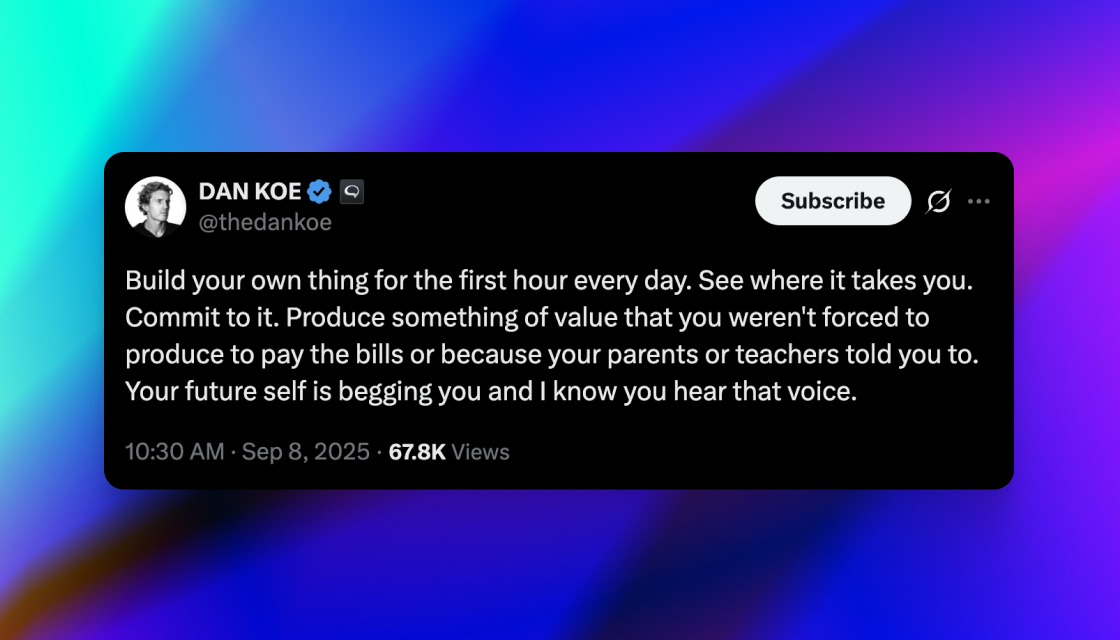
Enjoy this newsletter? Forward to a friend or hit reply to share your thoughts. We don't bite! 👻
Want more how-tos? Search our library of tutorials and subscribe to our monthly "Build with Ghost" newsletter.
Join our Ghost Creator Community! Connect with like-minded people who create content professionally — apply here.