





Yes we still need QA, but what “QA” means is rapidly changing.
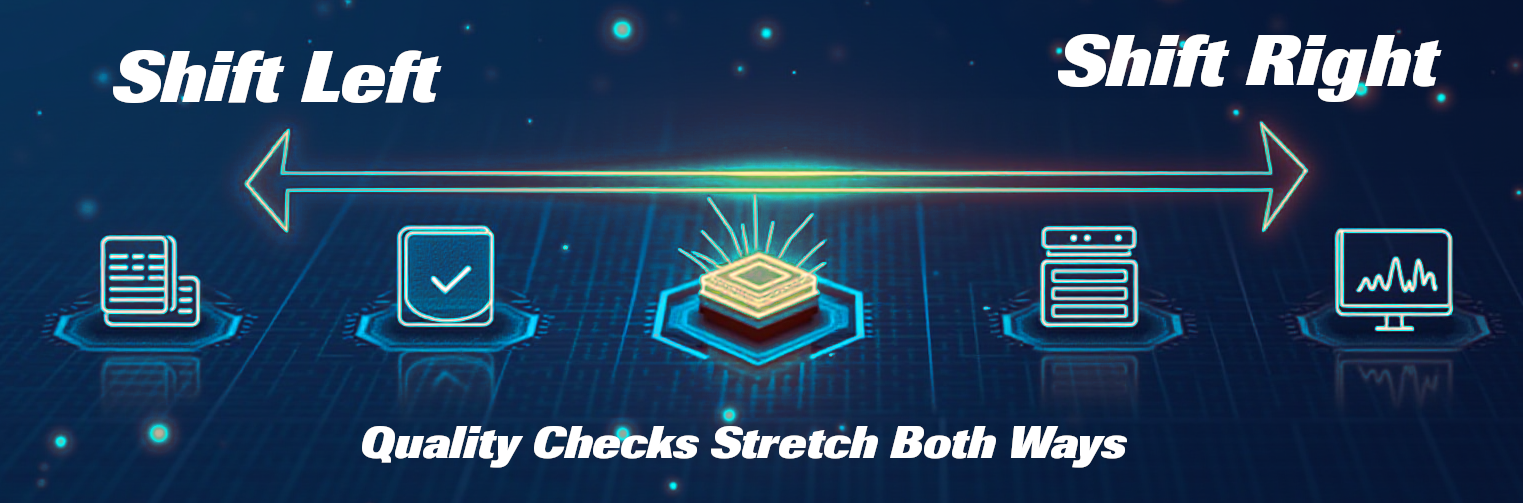
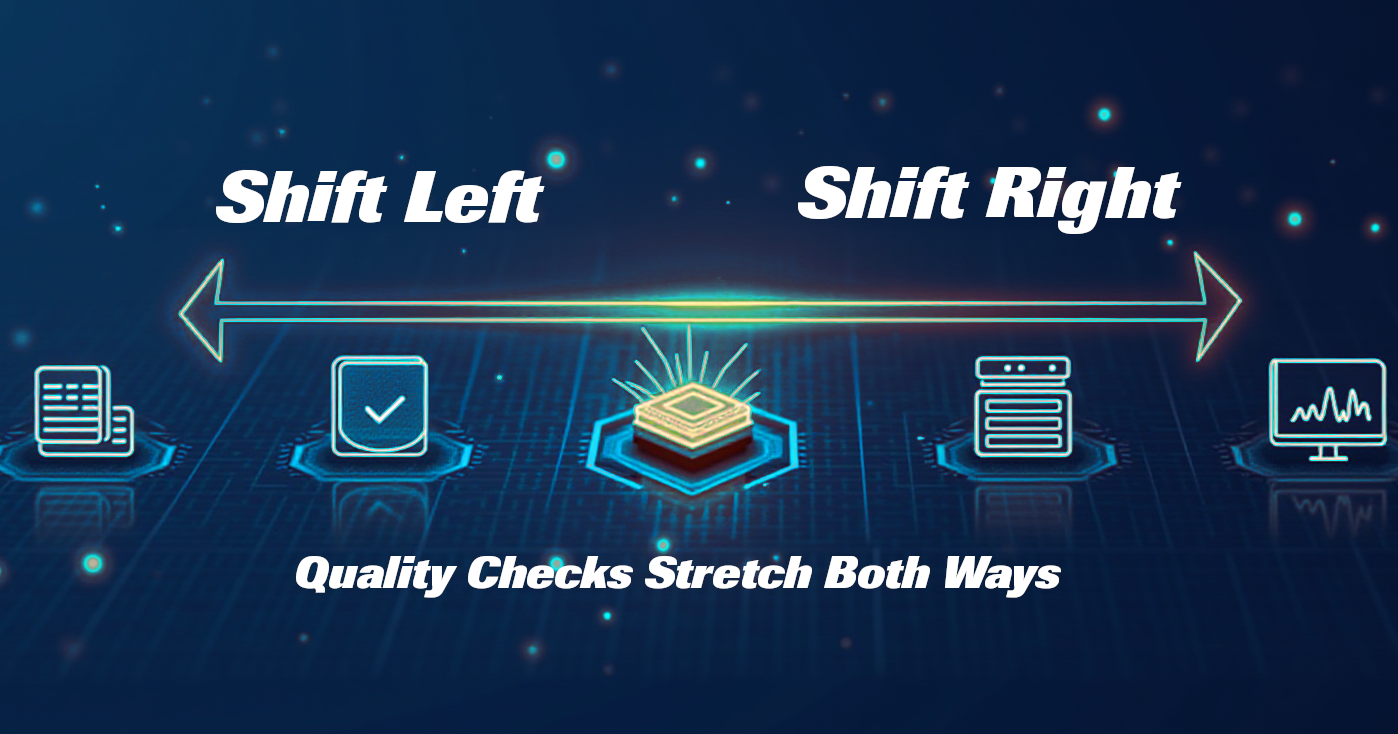
Teams using agentic coding are shifting quality both left and right. Left into work definition, acceptance criteria, and test architecture. Right into integration confidence, production signals, and release confidence.The shift matters because no downstream checkpoint can absorb the volume agentic engineering can produce.
QA has to stretch in both directions – into the decisions that shape the work, and into the signals that show it will hold up in production.
The shape of QA is still in flux.
Some teams are pushing quality further left, with more rigor in specs, acceptance criteria, and engineering guardrails before agents ever start writing code. Fowler’s recent “harness” framing pushes even further in that direction: the goal is to create stronger guides, checks, and boundaries around agentic work so that quality is built into the system earlier, rather than rescued at the end.
At the same time, teams are also being pushed right. Faster code generation increases the need for integration confidence, release confidence, observability, and production feedback.
Both moves follow the same pattern: QA is no longer a stage in the pipeline. It’s a thread running through the whole SDLC.
AI can be genuinely useful in QA work.
We worked with one client that had a 10+ year old Java application with almost no test coverage. Spending weeks writing tests by hand was not getting prioritized. AI generated a baseline suite in hours.
That was valuable. But “better than nothing” is not the same as “good enough to trust.” That is still the trap.
Whether you call it QA or absorb the responsibility into other functions, the responsibilities still exist:
QA’s future will vary by organization: some will keep a distinct function, some will shift testing into engineering, and others will refocus specialists on end-to-end validation, production risk, and release confidence.
What does not hold up is the idea that QA can remain a cleanup step at the end.
A practical approach for 2026 looks something like this:
That last point is one of the biggest changes.
The QA teams that create the most value in an agentic world are not just writing or maintaining scripts. They are helping design the system that makes rapid change safe.
此内容由惯性聚合(RSS阅读器)自动聚合整理,仅供阅读参考。 原文来自 — 版权归原作者所有。