











Japan to reduce carbon emissions under the new climate plan
TOKYO: Japan's government adopted on Tuesday new decarbonization targets aiming to reduce greenhouse gas emissions by more than 70 per cent from 2013 levels over the next 15 years, approving a renewed energy plan to help meet the goal.
This is part of an updated climate plan expected to help the country achieve carbon neutrality by 2050.
Here is what to know about the Japanese climate goals:
What are Japan's new decarbonization targets?
Under the new climate plan adopted by the cabinet, Japan aims to reduce carbon emissions by 60 per cent by 2035 from the 2013 levels, and by 73 per cent by 2040. Japan has previously set a 46 per cent reduction target for 2030.
The goals are known as a nationally determined contribution, or NDC, under the Paris Agreement, and will be submitted to the United Nations.
The 2035 target for Japan, still struggling to reduce its fossil fuel reliance has faced criticism from environmental groups because it is still 6 points short of the reduction needed to limit the temperature increase to 1.5 degrees Celcius above pre-industrial levels under the Paris agreement.
Will Japan's new energy plan help decarbonization goals?
The plan replaces the current version set in 2021 and calls for bolstering renewables up to half of electricity needs by 2040 while maximizing the use of nuclear power to accommodate the growing power demand in the era of AI while meeting decarbonization targets.
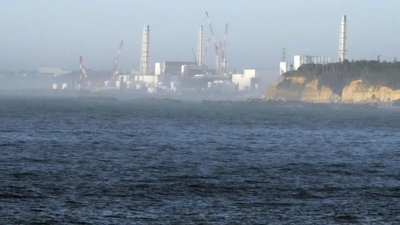
It marks an end to Japan's nuclear energy phaseout policy adopted after the 2011 meltdown crisis at the Fukushima Daiichi power plant that led to extensive displacement of residents and lingering anti-nuclear sentiment.
The new energy plan says that nuclear power should account for 20 per cent of Japan's energy supply in 2040 while expanding renewables to 40-50 per cent from nearly 23 per cent and reducing coal-fired power to 30-40 per cent from nearly 70 per cent.
The current plan set a 20-22 per cent target for nuclear energy, 36-38 per cent for renewables, and 41 per cent for fossil fuel, for 2030.
The energy plan places renewables as the main power source and calls for the development of next-generation energy sources, such as solar batteries and portable solar panels.
What are the prospects for bolstering nuclear energy?
Difficult, given the slow and cautious pace of screening by the nuclear regulators and persistent safety concerns and opposition by the residents in the neighboring communities. In order to achieve a 20 per cent target, almost all 33 workable reactors need to be restarted. Nuclear energy accounted for just 8.5 per cent of Japan's power supply in 2023, with only 13 reactors currently online.
The plan calls for acceleration of the restarts of reactors that meet the post-Fukushima safety standards and proposes the construction of next-generation reactors at plants where existing reactors are being decommissioned.
The IAEA chief was at a nuclear power plant in Niigata
The International Atomic Energy Agency director general Rafael Grossi was at the Kashiwazaki-Kariwa nuclear power plant, the world's largest in the country's northcentral prefecture of Niigata on Tuesday, becoming the first IAEA chief to do so.
Grossi was there to ensure the safety of the plant as it prepared to restart two of its seven reactors that had passed the safety test following a series of safeguarding problems.
The government is pushing for a restart under its energy and climate plans, while a restart would also help improve business for the plant operator Tokyo Electric Power Company holdings, struggling with the massive cost of decommissioning the wrecked Fukushima Daiichi.
A restart is still uncertain because of safety concerns among the residents in the plant's host towns.
此内容由惯性聚合(RSS阅读器)自动聚合整理,仅供阅读参考。 原文来自 — 版权归原作者所有。