惯性聚合 高效追踪和阅读你感兴趣的博客、新闻、科技资讯
阅读原文 在惯性聚合中打开

推荐订阅源

D
DataBreaches.Net
有赞技术团队
有赞技术团队
Jina AI
Jina AI
H
Help Net Security
D
Docker
钛媒体:引领未来商业与生活新知
钛媒体:引领未来商业与生活新知
Blog — PlanetScale
Blog — PlanetScale
Hugging Face - Blog
Hugging Face - Blog
罗磊的独立博客
MyScale Blog
MyScale Blog
N
Netflix TechBlog - Medium
B
Blog RSS Feed
Martin Fowler
Martin Fowler
WordPress大学
WordPress大学
T
The Blog of Author Tim Ferriss
U
Unit 42
Cyber Security Advisories - MS-ISAC
MongoDB | Blog
MongoDB | Blog
美团技术团队
M
MIT News - Artificial intelligence
阮一峰的网络日志
阮一峰的网络日志
博客园 - 司徒正美
Microsoft Security Blog
IT之家
IT之家

Maggie Appleton

The Dark Forest and Generative AI One Developer, Two Dozen Agents, Zero Alignment Gas Town’s Agent Patterns, Design Bottlenecks, and Vibecoding at Scale January 2026 | Maggie Appleton A Treatise on AI Chatbots Undermining the Enlightenment A Brief History & Ethos of the Digital Garden Vibe Code is Legacy Code May 2025 | Maggie Appleton Home-Cooked Software and Barefoot Developers Statistically, When Will My Baby Be Born? Speculative Calendar Events ChatGPT Would be a Decent Policy Advisor March 2025 | Maggie Appleton The Expanding Dark Forest and Generative AI Humanity's Last Exam Squish Meets Structure Common Misconceptions in AI Undetected AI Exam Answers Unbaited Smidgeons Growing a Human: The First 30 Weeks How to Import Academic Papers from Zotero into Tana December 2024 | Maggie Appleton Aesthetic Command Lines with Hyper, Spaceship, and Oh My Zsh Leaving Elicit July 2024 | Maggie Appleton A Short History of Bi-Directional Links The Pattern Language of Project Xanadu Assumed Audiences Ambient Co-presence
The Knowledge Hydrant
2020-06-28 · via Maggie Appleton

I’ve been looking into both Pattern Languages

Pattern Languages in Programming and Interface Design

Notes on pattern languages and Christopher Alexander's legacy on software programming and Computer-Supported Collaborative Learning

A Naïve Exploration of Computer-Supported Collaborative Learning

Notes on the academic field of CSCL and major papers in the discipline
over the past month.

The Knowledge Hydrant is where these two meet in a lovely swirl of collaborative learning and organically emergent systems.

It’s a draft document written up by Joshua Kerievsky in 199927ya . The mini-manifesto describes a set of Design Patterns that people can use to set up their own indie study groups outside of formal structures like universities.

While the original focused on IRL, “co-present” Getting real good at the Computer-Supported Collaborative Learning

A Naïve Exploration of Computer-Supported Collaborative Learning

Notes on the academic field of CSCL and major papers in the discipline buzzwords and jargon over here groups, I’m fascinated by how we might adapt these patterns and turn them into internet-friendly, distributed digital versions.

Here’s notes on the original while I’m thinking it through…
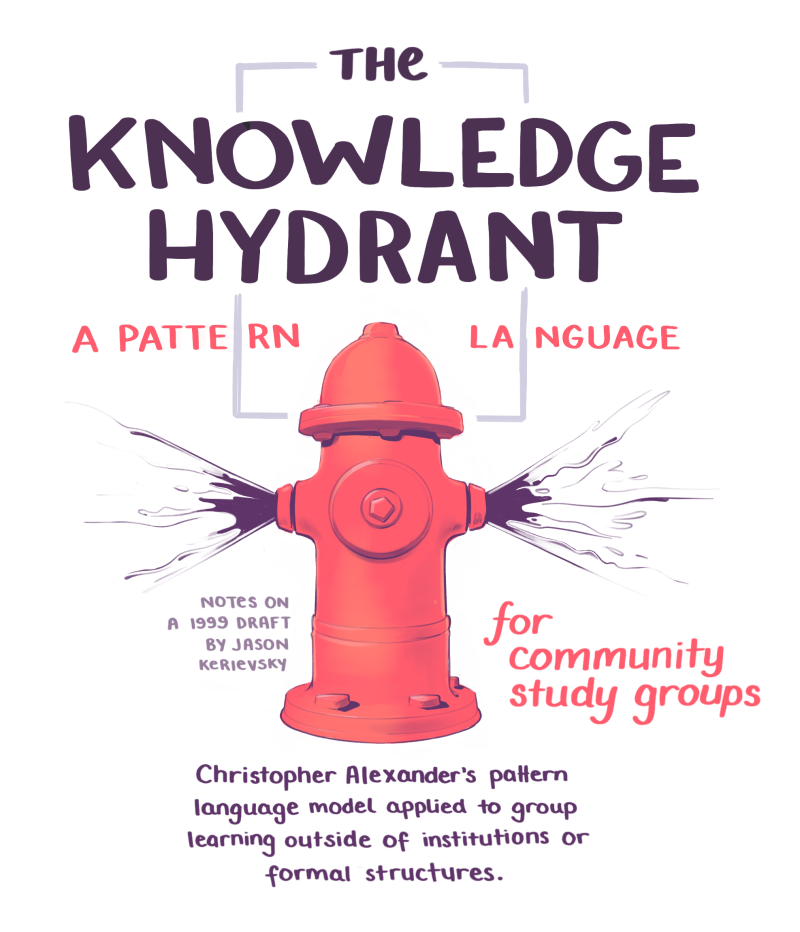
A fire hydrant framed by the words 'The knowledge hydrant'

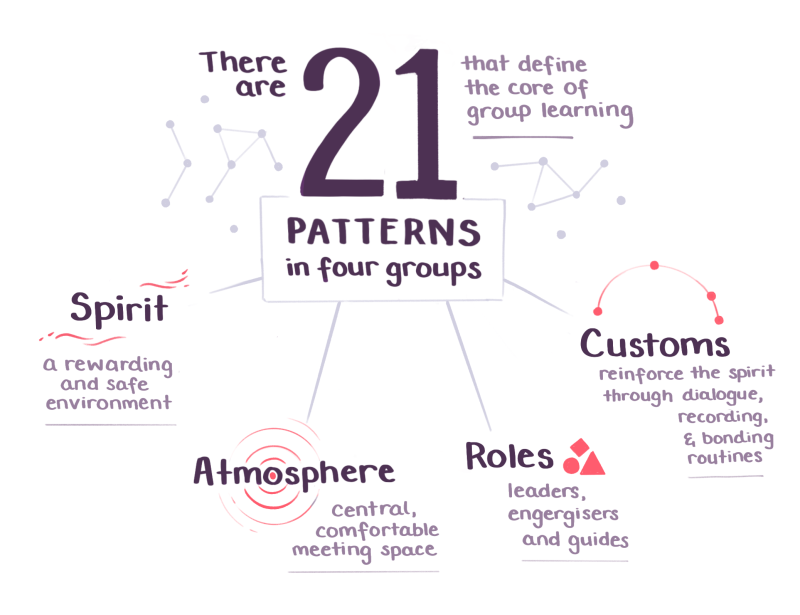
There are 21 patterns split into four groups – spirit, atmosphere, roles, and customs

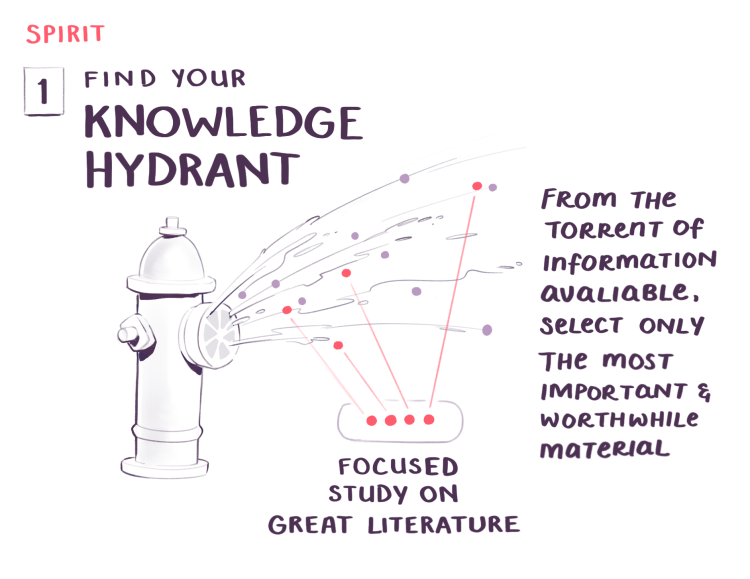
Step 1 is to find your knowledge hydrant – your source of important and worthwhile material

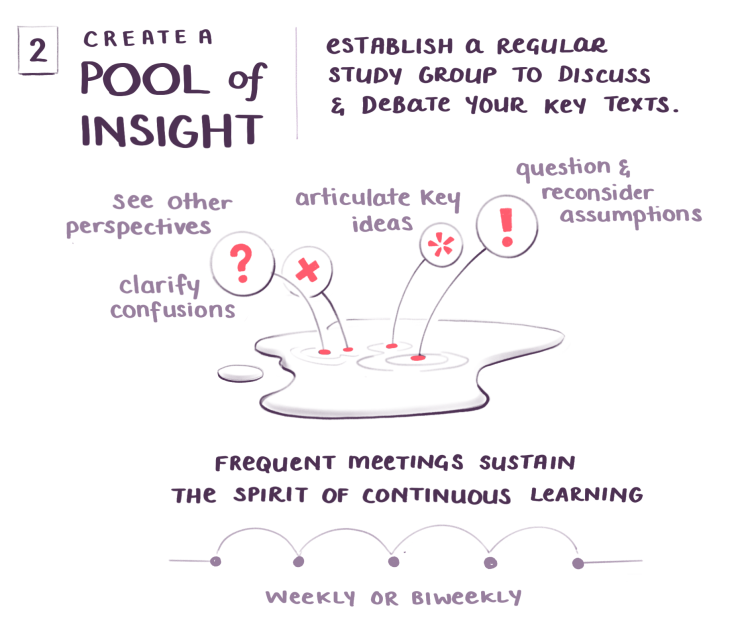
Step 2 is to create a pool of insight – establihs a regular study group to discuss and debate key texts