




When Sammy died, I expected heartbreak. I didnât expect what grief would do to my brain.
I couldnât remember things. I couldnât concentrate. Words disappeared in the middle of sentences. I would walk into a room and have no idea why I was there. At times, I genuinely wondered what was happening to me.
If youâve experienced grief brain, you know how frightening it can be. And there are real reasons for it.
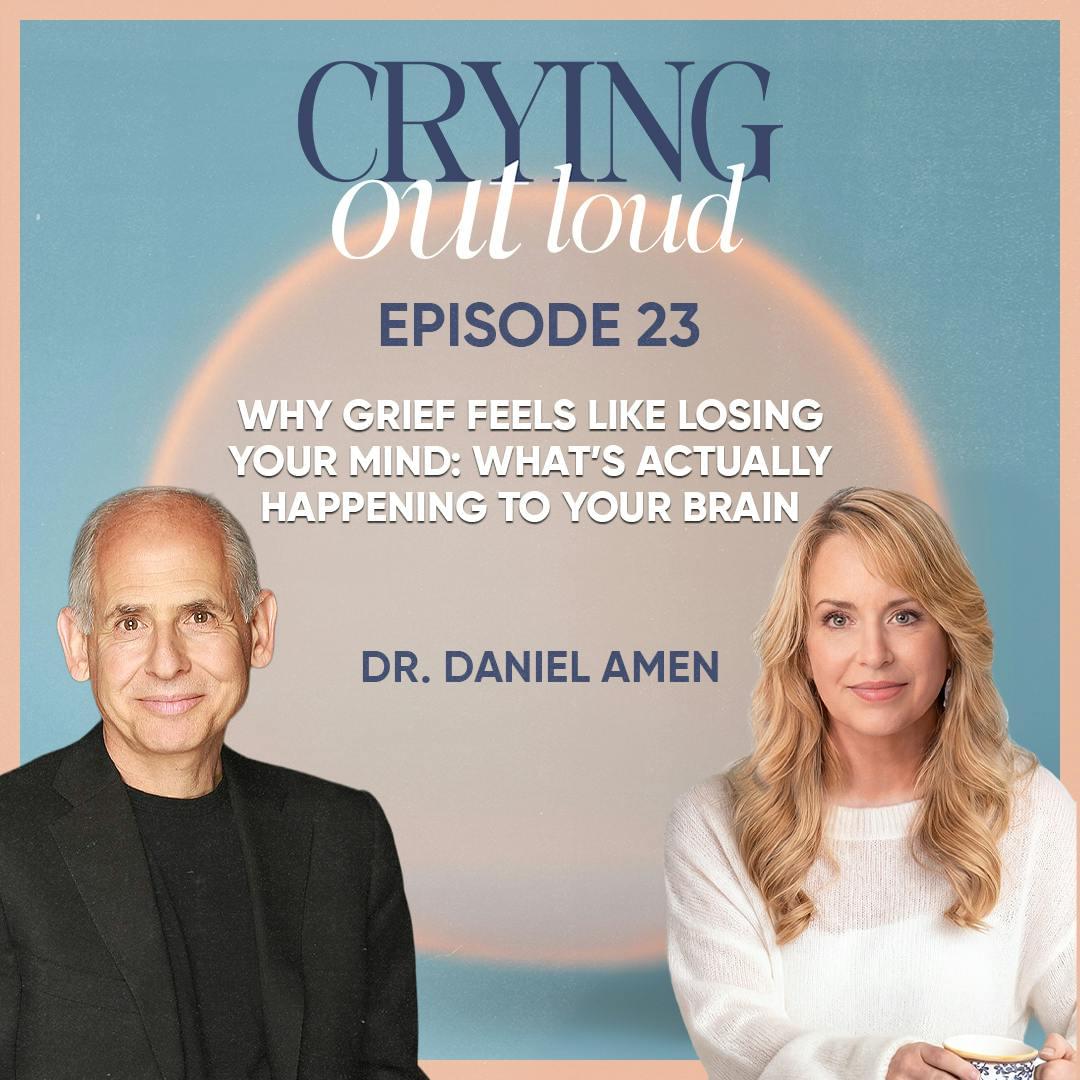
Dr. Daniel Amen is a psychiatrist and brain health expert who has spent decades studying the brain. Heâs the founder of Amen Clinics and the author of numerous New York Times bestsellers, including Change Your Brain, Change Your Lifeand his newest book, Change Your Brain, Change Your Pain.
Iâve known Daniel for more than twenty years, long before I knew grief from the inside. So I wanted to sit down with him and ask the questions I wish Iâd had answers to after Sammy died: What is actually happening inside our brains when weâre grieving? Why can we suddenly feel cognitively impaired? And can a brain changed by profound loss heal?
We get into the science of grief brain, but this conversation goes much further. Daniel explains why grief can affect your memory, energy, sleep, gut and physical health, and why two people can experience the same kind of loss very differently.
We also talk about guilt and the loops our brains can get trapped in after trauma, the relationship between anger and forgiveness, and what happens in the brain when we meditate, pray or experience hope.
And we talk about something I care deeply about: what helps the brain begin to heal while we are still carrying the loss.
In this episode, we talk about:
What âgrief brainâ actually is and why loss can affect memory, concentration and executive function
Why grief can show up throughout the body, including in your gut
Danielâs concept of âbrain reserveâ and why people respond so differently to trauma and loss
What happens in the brain when we experience hope
Why guilt can become so persistent after someone dies and how to interrupt it
The âdoom loopâ and âhealing loop,â and the habits that reinforce each one
The connection between unresolved anger, forgiveness and emotional pain
What prayer, meditation and faith may do in the brain
Why menopause can compound some of the cognitive changes women experience during grief
What Daniel has learned about resilience after decades of studying the brain
If grief has ever made you wonder, âAm I losing my mind?â I really want you to hear this conversation.
There is a reason your brain doesnât feel like the brain you had before your loss. Understanding what is happening can make it a little less frightening and, more importantly, help us understand what our brains need from us as we heal.
Don’t forget to follow Dr. Daniel Amen and check out his newest book, Change Your Brain, Change Your Pain: Breaking the Doom Loop to Heal Chronic Physical and Emotional Pain. You can find more of his work on his website or by following him on Instagram and TikTok.
And if you want to explore more of how our brains, bodies, histories and emotional patterns shape the way we love and connect, come find me on my other podcast, The Language of Love.. Every week, I talk with leading experts and share what Iâve learned in more than 30 years as a therapist about relationships, intimacy and healing. You can find The The Language of Love wherever youâre listening to Crying Out Loud.
This episode is also brought to you in part by Channeling Grief, a Substack by Elizabeth Kopple. After her 18-year-old son, Henry, died on his first day of college, Elizabeth turned to writing to explore grief and how we find connection, meaning, and a way forward after profound loss. Now a certified grief educator, she shares essays, interviews, and resources to help you feel seen and less alone. Subscribe for free at channelinggrief.substack.com. We’re so grateful to Elizabeth for supporting Crying Out Loud and our grieving community.
And if you’re looking for support, connection, or a place to feel less alone, Laura’s book, Crying Out Loud: A Path Through Grief Into a Life Reimagined, and The Grief Healing Collective are here for you. If something in this episode spoke to your heart, share your story or send your questions to cryingoutloudpod@gmail.com.
None of us are meant to carry this alone.
此内容由惯性聚合(RSS阅读器)自动聚合整理,仅供阅读参考。 原文来自 — 版权归原作者所有。