



We may receive commissions from some links to products on this page. Promotions are subject to availability and retailer terms.
By
Angelica Leicht
Senior Editor, Managing Your Money
Angelica Leicht is the senior editor for the Managing Your Money section for CBSNews.com, where she writes and edits articles on a range of personal finance topics. Angelica previously held editing roles at The Simple Dollar, Interest, HousingWire and other financial publications.
/ CBS News
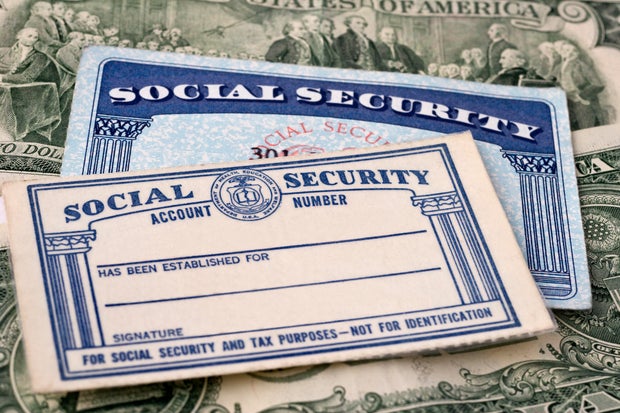
For millions of retired Americans, turning 70 is an important milestone. At that age, there's typically a little more financial certainty, as many retirees are claiming their maximum Social Security benefit and have adjusted to living on a fixed income. By that point, most retirees have also fully mapped out how their retirement savings will support them in the years ahead. The problem is, though, that even the most well-thought-out retirement plan is becoming harder to sustain.
In today's economic landscape, persistent inflation, elevated borrowing costs and rising healthcare expenses are putting extra strain on people's budgets, and that's having a particularly big impact on those carrying debt into retirement. And, there are quite a few retirees with this issue, as credit card balances among seniors have climbed in recent years, meaning more seniors are trying to fit their growing debt payments into a tight budget well after leaving the workforce.
That increased financial pressure has led to growing concern about what assets creditors can and can't access later in life. For retirees who rely heavily on Social Security income each month, one question has become increasingly important: Can those benefits still be garnished after you turn 70? Below, we'll detail what recipients need to know.
Find out how to get rid of your unpaid debt before it compounds now.
Can your Social Security be garnished after age 70?
The short answer is yes, your Social Security benefits can be garnished after age 70 — but only under specific circumstances. Age alone does not protect your Social Security benefits from garnishment and turning 70 does not trigger any special legal exemption.
The distinction that matters most here is the type of debt involved. Federal creditors have significant power to garnish Social Security benefits through a process called the Treasury Offset Program. This means the federal government can withhold a portion of your benefits to satisfy:
- Federal income tax debt owed to the Internal Revenue Service (IRS)
- Federal student loans in default
- Child support and alimony obligations
- Other federally backed debts, including certain government benefit overpayments
Private creditors, on the other hand — think credit card companies, medical debt collectors, personal loan lenders — operate under a different set of rules. In most cases, they cannot directly garnish your Social Security payments. However, if your benefits are deposited into a bank account, the bank can freeze or levy that account after obtaining a court judgment, which can create access problems even if the funds themselves are technically protected under federal law.
That said, federal rules require banks to protect a rolling two-month equivalent of Social Security deposits from levies, meaning some of your funds have a layer of automatic protection. But anything above that threshold that's sitting in a regular checking or savings account may be vulnerable, depending on state law and the nature of the debt.
Learn more about the debt relief options you qualify for today.
What to do if debt is putting your Social Security benefits at risk
If you're concerned that your debt is putting your Social Security benefits at risk, the worst move you can make is to do nothing. Here's what to consider doing instead:
- If you owe the IRS: The federal tax agency offers installment agreements and other solutions, like Currently Not Collectible status, for taxpayers who genuinely cannot pay. Resolving an outstanding tax liability, even partially, can stop or reduce Social Security offsets.
- If you have defaulted on federal student loans: The Department of Education has historically offered rehabilitation programs that can restore a loan to good standing and halt Treasury offsets. These programs can change, though, so checking the current status and requirements is a critical first step.
- For broader debt burdens: Debt relief options, including debt settlement, debt consolidation and, in severe cases, bankruptcy, may provide a path forward. Chapter 7 bankruptcy, for example, can discharge eligible unsecured debts entirely, potentially eliminating the financial pressure that makes Social Security the last line of defense. A credit counselor, debt relief expert or bankruptcy attorney can help assess which approach fits your specific debt load and income situation.
The bottom line
Your Social Security benefits aren't automatically off-limits just because you've reached age 70. Federal debts — particularly tax obligations and defaulted student loans — can still trigger garnishment, regardless of your age. Private creditors, on the other hand, face tighter restrictions, but they can still create complications through bank levies. If debt is putting your retirement income at risk, exploring your debt relief options sooner rather than later can help protect the benefits you've spent decades earning.
Edited by Matt Richardson