





“A leader is anyone who takes responsibility for finding the potential in people and processes, and who has the courage to develop that potential.” — Brené Brown
The best leaders don’t just manage their teams — they multiply them. And in a world where artificial intelligence (AI) is reshaping how work gets done, the leaders who thrive are the ones who know how to combine human connection with the right tools to execute on their ambition.
For lean businesses, that means something specific: Creating an environment where every person knows their role, has what they need to succeed, and isn’t held back by anything. When your team operates from a single, connected view of the business, clarity becomes your competitive advantage.
Leadership strategies are evolving fast — and so are the tools that support them. In this guide, we explore how modern leadership styles are shifting, and how today’s most effective small and medium (SMB) leaders are building teams that are more aligned, more agile, and more ready to grow than ever.
Great leadership starts with a clear direction that everyone can get behind from day one. In a startup environment, goals change quickly, so your team needs a north star to keep them aligned when things get messy. When you define your mission clearly, you give your employees a reason to care about the work beyond just collecting a paycheck.
Clear direction is the foundation of effective leadership. It moves the team beyond simply completing tasks to actively pursuing a unified vision. When leaders articulate a clear mission and strategic priorities, they enable every team member to align their daily work with the company’s ultimate success. This clarity reduces confusion, accelerates decision-making, and creates a sense of purpose that fuels sustained motivation and growth.
Here are actionable ways to establish clear direction:
Trust is the currency of any growing company, and it’s earned through honest conversations. Small business owners often make the mistake of assuming everyone knows what’s happening, but silence usually leads to confusion. Setting up regular check-ins ensures that blockers are removed before they become problems for your team.
When you listen more than you speak, you show your team that their expertise matters to the bottom line. This approach helps you identify leadership potential within your current staff, allowing you to promote from within as you scale. Strong communication is a primary pillar of how to lead a team through the inevitable ups and downs of the market.
Leaders often find themselves buried in administrative work that keeps them away from the needs of their team. By using customer relationship management (CRM) tools and AI, you can automate repetitive tasks and help your team shine. This shift allows you to spend your energy on leading your team, instead of managing spreadsheets or chasing updates.
Integrating AI into your workflow can help manage customer interactions and internal queries effortlessly. When you use employee or AI agents to handle routine questions, your team can focus on creative problem-solving and high-touch customer service. This technology doesn’t replace leadership — it provides the space for leadership to actually happen.
A leader’s job is to create an environment where it’s safe to take risks and learn from mistakes. In a small company, one error can feel heavy, but a culture of learning turns those moments into valuable insights. Encourage your team to experiment with new ways to reach customers or improve internal processes.
Use AI to analyze your campaigns throughout, together as a team in your CRM. By rewarding curiosity and initiative, you build a resilient workforce that can pivot when the industry changes. Leading with a growth mindset ensures that your SMB remains competitive and innovative over time.
Great teams thrive when they know exactly what success looks like for their specific roles. Without clear metrics, employees may work hard on the wrong things, leading to burnout and frustration for everyone involved. Establishing key performance indicators (KPIs) helps your team stay focused on the activities that fuel growth for the business.
Accountability should be a two-way street where leaders also hold themselves responsible for providing the necessary support. When you use a CRM to track these metrics, it removes the guesswork and makes performance reviews more objective. This clarity is a fundamental part of how to lead a team toward hitting their quarterly targets consistently.
No credit card required, no software to install.

In many startups, people wear multiple hats, which makes collaboration a necessity rather than an option. Breaking down walls between sales, marketing, service, and commerce helps your team see the entire customer journey. When everyone works together, the customer experience becomes seamless and much more professional.
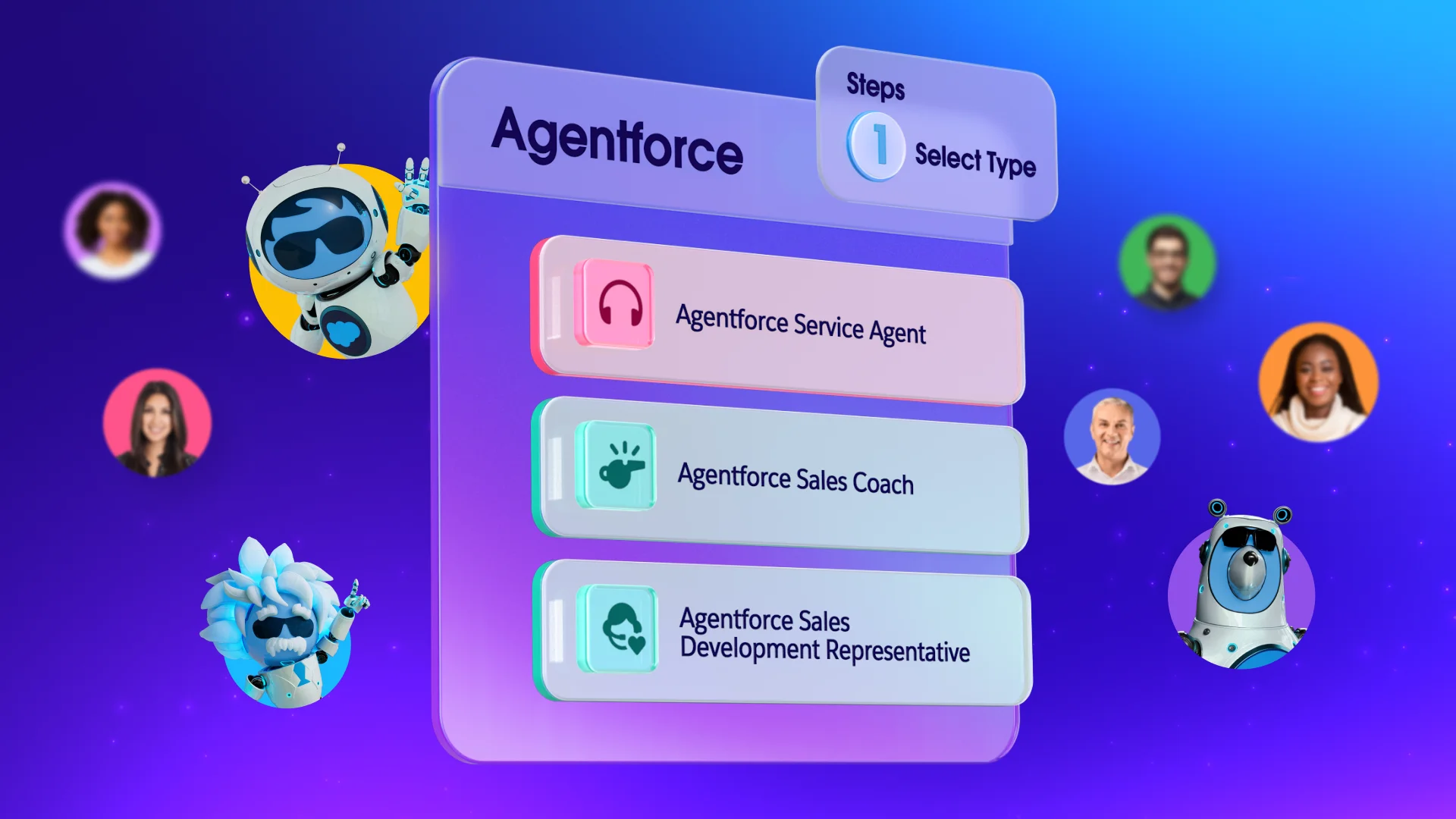
Tools like Agentforce 360 can assist by providing insights that are useful across different departments. For instance, AI agents can alert a sales rep about a service issue before they make a follow-up call. This type of cross-functional awareness is what separates good leaders from those who truly understand how to lead a team to greatness.
Burnout is a significant risk in the fast-paced world of small businesses and emerging startups. A great leader recognizes that their team members are people first, and employees second, with lives outside of work. Promoting a healthy work-life balance helps you retain your best talent and keeps morale high during busy seasons.
Using AI to handle the heavy lifting of data analysis can significantly reduce the over time your team needs to put in. When people feel rested and valued, they bring their best ideas and highest energy to the office every day. Prioritizing well-being isn’t just a nice gesture — it’s a smart strategy for any entrepreneur looking to stay around for the long haul.
The highest compliment you can give your team is to teach them to eventually lead their own teams as the company grows. Small businesses provide a unique opportunity for employees to take on leadership roles much earlier than they would at a large corporation. Providing mentorship and professional development opportunities is an investment in the future of your organization.
Encourage your staff to use resources like Trailhead to learn new skills and stay ahead of technology trends. When you show a clear path for career progression, you increase loyalty and reduce the costs associated with turnover. Mentorship is a core component of leading teams that are both skilled and motivated.
It’s easy to move straight to the next project without acknowledging the hard work that went into the last one. Taking the time to celebrate small wins keeps the team motivated and reinforces the behaviors that lead to success. Whether it’s a shout-out in a meeting or a team lunch, recognition goes a long way in a small business environment.
Share positive customer feedback that you capture in your CRM so the whole team sees the real-world impact of their efforts. When people feel appreciated, they’re more likely to go the extra mile when the business needs it most.
While Salesforce is famous for CRM, its platform capabilities extend deeply into human resource management (HRM), especially for growing small businesses. Leaders can use the platform to centralize employee data, manage performance reviews, track professional development through resources like Trailhead, and automate onboarding and offboarding processes.
By integrating HR functions into the same platform used for sales and service, you gain a unified view of your business, connecting employee engagement directly to customer success metrics. This allows you to proactively identify and support high-performing team members, ensuring your most valuable asset — your people — are aligned and empowered to achieve the company’s vision.
You’re capable of great things, and with that comes great responsibility. We’re here to support your leadership strategy with the knowledge and tools. Here are a list of resources to try if you’re interested in learning more about leadership and team well-being:
Get started with Salesforce Suites for free or activate Foundations to try out Agentforce 360 today.
AI supported the writers and editors who created this article.
How can I improve communication with my small team?
Setting a regular rhythm of meetings and using a centralized platform for updates ensures that everyone stays on the same page. Transparency in your goals helps build the trust necessary for a healthy work environment.
What is the best way to handle conflict within a startup?
Addressing issues directly and quickly prevents small disagreements from turning into major disruptions. Focus on the problem rather than the person to keep the conversation productive and professional.
How do I keep my team motivated during slow periods?
Use downtime to focus on professional development and improving internal processes that often get ignored during busy times. Sharing a clear vision for the future helps the team stay focused on the long-term goal.
When should I start delegating tasks to other team members?
You should delegate as soon as you find yourself spending more time on repetitive tasks than on growing the business. Delegation allows your team to develop new skills while freeing you up for strategic leadership.
How does technology help with team leadership?
Tools like Salesforce for Small Business provide the data and automation needed to manage people and processes more effectively. This allows you to make decisions based on facts rather than just intuition.
此内容由惯性聚合(RSS阅读器)自动聚合整理,仅供阅读参考。 原文来自 — 版权归原作者所有。