










2022年1月12日大约 8 分钟设计模式生产者与消费者模式软件设计
本篇是在学习5.Thread和Object中线程相关的重要方法 (ycyin.eu.org)时对
notify()和wait()的相关用法记录。本篇除代码外多处引用网上文字,具体出处见文末参考。生产者消费者模式并不是GOF提出的23种设计模式之一,23种设计模式都是建立在面向对象的基础之上的,但其实面向过程的编程中也有很多高效的编程模式,生产者消费者模式便是其中之一,它是我们编程过程中最常用的一种设计模式。
在实际的软件开发过程中,经常会碰到如下场景:某个模块负责产生数据,这些数据由另一个模块来负责处理(此处的模块是广义的,可以是类、函数、线程、进程等)。产生数据的模块,就形象地称为生产者;而处理数据的模块,就称为消费者。
单单抽象出生产者和消费者,还不算是生产者/消费者模式。该模式还需要有一个缓冲区处于生产者和消费者之间,作为一个中介。
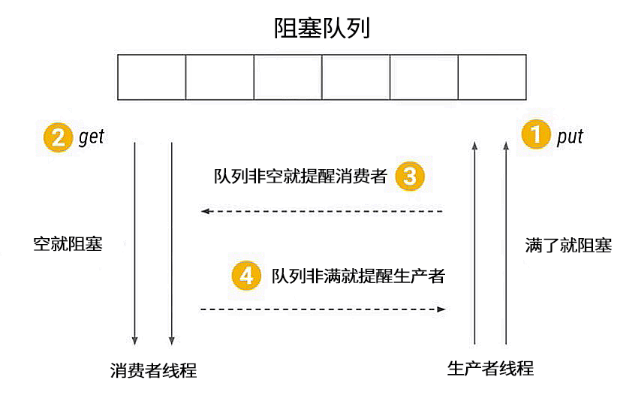
实现消费者生产者模式有很多种方式,可以在文末参考中找到,我认为常用的有BlockingQueue、condition、wait/notify三种实现方式,虽说是三种实现方式但是本次都是差不多的。
下面的例子,使用三种方法实现生产者消费者模式,完成生产者生产100条数据,消费者消费100条数据。
使用这种方式,只需要使用ArrayBlockingQueue类型的BlockingQueue命名为queue,并指定固定容量。然后生产者使用queue.put()负责往队列添加数据,消费者使用queue.take()负责消费数据。
public class ConsumerProducerWithBlockingQueue {

    public static void main(String[] args) {
        ConsumerProducerWithBlockingQueue cpwb = new ConsumerProducerWithBlockingQueue();
        ArrayBlockingQueue<Object> blockingQueue = new ArrayBlockingQueue<>(10);
        Producer producer = cpwb.new Producer(blockingQueue);

        Consumer consumer = cpwb.new Consumer(blockingQueue);

        producer.start();
        consumer.start();
    }

    class Consumer extends Thread {
        private BlockingQueue<Object> queue;
        public Consumer(BlockingQueue queue) {
            this.queue = queue;
        }

        @Override
        public void run() {
            try {
                for (int i = 0; i <= 100; i++) {
                    System.out.println("消费者取出:" + queue.take()+"仓库还有"+queue.size());
                }
            } catch (InterruptedException e) {
                e.printStackTrace();
            }
        }
    }

    class Producer extends Thread {
        private BlockingQueue<Object> queue;
        public Producer(BlockingQueue queue) {
            this.queue = queue;
        }

        @Override
        public void run() {
            try {
                for (int i = 0; i <= 100; i++) {
                    System.out.println("生产者放入:"+i);
                    queue.put(i);
                }
            } catch (InterruptedException e) {
                e.printStackTrace();
            }
        }
    }
}
虽然代码非常简单,但实际上ArrayBlockingQueue已经在背后完成了很多工作,比如队列满了就去阻塞生产者线程,队列有空就去唤醒生产者线程等。比如从ArrayBlockingQueue的take()源码中可以看出,它为我们使用Condition 实现的方式实现了。
public E take() throws InterruptedException {
    final ReentrantLock lock = this.lock;
    lock.lockInterruptibly();
    try {
        while (count == 0)
            notEmpty.await();
        return dequeue();
    } finally {
        lock.unlock();
    }
}
利用 Condition 实现生产者消费者模式,与BlockingQueue背后的实现原理非常相似,相当于我们自己实现一个简易版的 BlockingQueue:
定义了一个队列变量 queue 并设置最大容量为 10;定义了一个 ReentrantLock 类型的 Lock 锁,并在 Lock 锁的基础上创建两个 Condition,一个是 notEmpty,另一个是 notFull,分别代表队列没有空和没有满的条件;声明put 和 take 这两个核心方法。
public class ConsumerProducerWithCondition {

    private Queue queue;

    private int maxSize = 10;

    private ReentrantLock lock = new ReentrantLock();

    private Condition notFull = lock.newCondition();

    private Condition notEmpty = lock.newCondition();

    public ConsumerProducerWithCondition() {
        this.queue = new LinkedList();
    }

    public void put(Object obj) throws InterruptedException {
        lock.lock();
        try {
            while (queue.size() == maxSize) {
                notFull.await(); //不要写成了 .wait()
            }
            queue.add(obj);
            notEmpty.signalAll();
        }finally {
            lock.unlock();
        }
    }

    public Object take() throws InterruptedException {
        lock.lock();
        try {
            while (queue.isEmpty()) {
                notEmpty.await();
            }
            Object item = queue.remove();
            notFull.signalAll();
            return item;
        }finally {
            lock.unlock();
        }
    }


    public static void main(String[] args) {
        ConsumerProducerWithCondition consumerProducer = new ConsumerProducerWithCondition();

        ConsumerProducerWithCondition.Consumer consumer = consumerProducer.new Consumer(consumerProducer);

        ConsumerProducerWithCondition.Producer producer = consumerProducer.new Producer(consumerProducer);

        producer.start();
        consumer.start();
    }

    class Consumer extends Thread {

        private ConsumerProducerWithCondition consumerProducer;

        public Consumer(ConsumerProducerWithCondition consumerProducer) {
            this.consumerProducer = consumerProducer;
        }

        @Override
        public void run() {
            try {
                for (int i = 0; i < 100; i++) {
                    Object take = consumerProducer.take();
                    System.out.println("消费者取出:" + take+"仓库还有"+queue.size());
                }
            } catch (InterruptedException e) {
                e.printStackTrace();
            }
        }
    }

    class Producer extends Thread {

        private ConsumerProducerWithCondition consumerProducer;


        public Producer(ConsumerProducerWithCondition consumerProducer) {
            this.consumerProducer = consumerProducer;
        }

        @Override
        public void run() {
            try {
                for (int i = 0; i < 100; i++) {
                    System.out.println("生产者放入:"+i);
                    consumerProducer.put(i);
                }
            } catch (InterruptedException e) {
                e.printStackTrace();
            }
        }
    }
}
因为生产者消费者模式通常是面对多线程的场景,需要一定的同步措施保障线程安全,所以在 put 方法中先将 Lock 锁上,然后,在 while 的条件里检测 queue 是不是已经满了,如果已经满了,则调用 notFull 的 await() 阻塞生产者线程并释放 Lock,如果没有满,则往队列放入数据并利用 notEmpty.signalAll() 通知正在等待的所有消费者并唤醒它们。最后在 finally 中利用 lock.unlock() 方法解锁,把 unlock 方法放在 finally 中是一个基本原则,否则可能会产生无法释放锁的情况。
take 方法实际上是与 put 方法相互对应的,同样是通过 while 检查队列是否为空,如果为空,消费者开始等待,如果不为空则从队列中获取数据并通知生产者队列有空余位置,最后在 finally 中解锁。
**注意:**这里需要注意判断队列是否为空、是否为满的状态需要使用while来判断,和下面的方式三一样。这在oracle官方Object对象的wait()方法有说明:As in the one argument version, interrupts and spurious wakeups are possible, and this method should always be used in a loop。
为什么在take()方法中使用while( queue.size() == 0 ) 判断而不是用if来判断?
思考这样一种情况,因为生产者消费者往往是多线程的,我们假设有两个消费者,第一个消费者线程获取数据时,发现队列为空,便进入等待状态;因为第一个线程在等待时会释放 Lock 锁,所以第二个消费者可以进入并执行 if( queue.size() == 0 ),也发现队列为空,于是第二个线程也进入等待;而此时,如果生产者生产了一个数据,便会唤醒两个消费者线程,而两个线程中只有一个线程可以拿到锁,并执行 queue.remove 操作,另外一个线程因为没有拿到锁而卡在被唤醒的地方,而第一个线程执行完操作后会在 finally 中通过 unlock 解锁,而此时第二个线程便可以拿到被第一个线程释放的锁,继续执行操作,也会去调用 queue.remove 操作,然而这个时候队列已经为空了,所以会抛出 NoSuchElementException 异常,这不符合我们的逻辑。而如果用 while 做检查,当第一个消费者被唤醒得到锁并移除数据之后,第二个线程在执行 remove 前仍会进行 while 检查,发现此时依然满足 queue.size() == 0 的条件,就会继续执行 await 方法,避免了获取的数据为 null 或抛出异常的情况。
使用 wait/notify 实现生产者消费者模式的方法,实际上实现原理和前面两种是非常类似的。这为我们理解wait和notify提供了很大的帮助。
最主要的部分仍是 take 与 put 方法,put 方法被 synchronized 保护,while检查队列是否为满,如果不满就往里放入数据并通过notify()或notifyAll()唤醒其他线程。同样,take方法也被synchronized修饰,while检查队列是否为空,如果不为空就获取数据并唤醒其他线程。
public class ConsumerProducerWithWaitNotify {
    public static void main(String[] args) {
        ConsumerProducerWithWaitNotify consumerProducer = new ConsumerProducerWithWaitNotify();

        EventStorge eventStorge = consumerProducer.new EventStorge();

        Consumer consumer = consumerProducer.new Consumer(eventStorge);

        Producer producer = consumerProducer.new Producer(eventStorge);

        producer.start();
        consumer.start();
    }

    class Consumer extends Thread {
        private EventStorge storge;
        public Consumer(EventStorge storge) {
            this.storge = storge;
        }

        @Override
        public void run() {
            try {
                for (int i = 0; i < 100; i++) {
                    storge.take();
                }
            } catch (InterruptedException e) {
                e.printStackTrace();
            }
        }
    }

    class Producer extends Thread {
        private EventStorge storge;
        public Producer(EventStorge storge) {
            this.storge = storge;
        }

        @Override
        public void run() {
            try {
                for (int i = 0; i < 100; i++) {
                    storge.put(i);
                }
            } catch (InterruptedException e) {
                e.printStackTrace();
            }
        }
    }

    class EventStorge {
        private LinkedList<Integer> list=null;
        private int maxSize = 0;

        public EventStorge() {
            this.list = new LinkedList<>();
            this.maxSize = 10;
        }

        public synchronized void put(int num) throws InterruptedException {
            while (list.size() == maxSize) { // not if
                wait();
            }
            System.out.println("生产者放入"+num+"---");
            list.add(num);
            notify();
        }

        public synchronized void take() throws InterruptedException {
            while (list.isEmpty()) {
                wait();
            }
            notify();
            System.out.println("消费者取出 " + list.poll() +"还有" + list.size()+"个");
        }

    }

}
这三种方式实现生产者消费者模式,从编码难度上来说第一种使用BlockingQueue实现是最简单的,但实际上其底层的逻辑在方式二、方式三中得以体现。这三种 方式均需要一个队列,然后要有锁来控制生产者和消费者。
除此三种方式外,还有使用信号量(数据库连接池)、管道流(只适合两个线程间通信)等方式实现生产者消费者模式,我觉得都是差不多的原理。
此内容由惯性聚合(RSS阅读器)自动聚合整理,仅供阅读参考。 原文来自 — 版权归原作者所有。