







Published · 5 min read
Recently, I received an e-mail from Scrum Alliance. My Scrum Master Certificate has expired. As expected, the e-mail was suggesting to get certified again, a friendly nudge to stay relevant. But that message made me pause. Why was I supposed to pay again to keep something that no longer felt valuable?
Agile frameworks no longer deliver what they are supposed to. From my point of view, they have turned into yet another business fueled with nonsense. The original spirit of Agile, adaptability, communication, and empowerment, has been buried under layers of certification, rituals, and buzzwords. What on earth is “radical agility,” for instance? I might be wrong, but there are not many companies using the ancient waterfall development cycle anymore. So, what is the point of all this?
Over the years, I have watched Scrum transform from a set of practical principles into a full-blown industry, complete with badges, bootcamps, and bureaucracy. The irony is that it was designed to make teams simpler and faster, not more burdened.
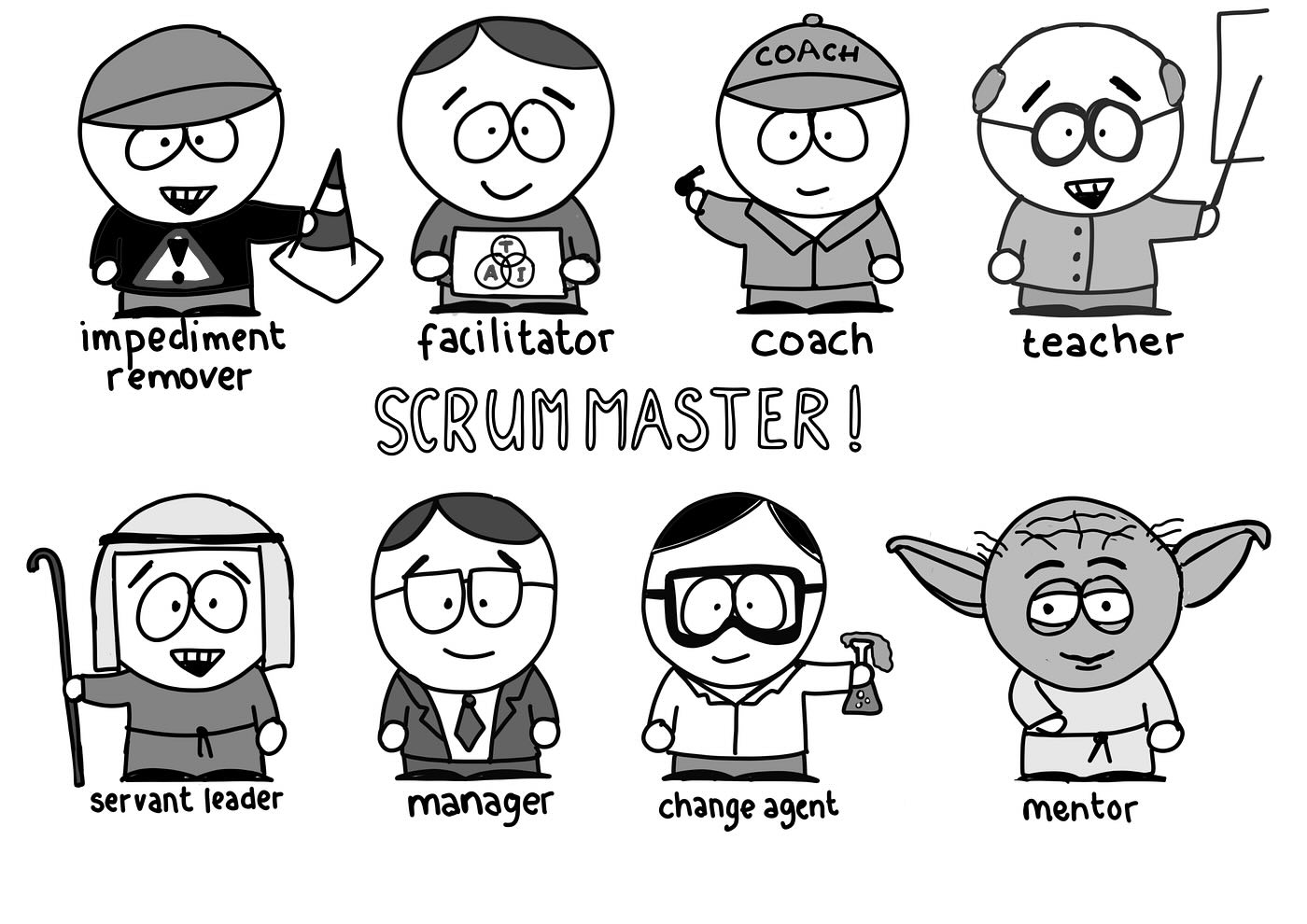 Scrum Master!!!
Scrum is an agile framework to improve productivity. It might work well but I think it is overly complicated. What was once a lightweight process for small, empowered teams has turned into a maze of ceremonies and checklists. Since it is complicated enough, there are a ton of websites, alliances, and training. Each one claims to make you “truly agile,” but all they really do is sell the same ideas in different packaging. Despite the huge upfront cost, companies have been embracing Scrum very eagerly. For many, it has become a form of corporate theater, a performance of agility rather than the real thing. Some of the companies even have a dedicated Scrum Master and facilitator role. In a team of five people, two people trying to increase productivity sounds weird. Wouldn’t it be much better if they contributed to the development or operations instead?
Developers are also getting sick of all this agile framework hype. We, as developers, all believe delivering software in iterative steps is good for both customers and the software development lifecycle. I have never seen a developer disagreeing with the Agile Manifesto. We do not reject agility, we reject the bureaucracy pretending to represent it. So, again why do we spend our time and money on the agile frameworks? A simple board for the tasks should suffice, shouldn’t it?
The truth is, Scrum has become less about improving how teams work and more about maintaining the illusion of control. Terms like “radical agility” or “scaled frameworks” sound impressive, but nobody can explain what they actually do.
Agile frameworks brought new roles and new businesses. What started as a philosophy about trust and adaptability has turned into a career ladder for consultants and coaches. In order to keep these roles and businesses, one needs to continue the hype. The cycle feeds itself. Trainers certify new trainers, certifications expire, and renewal fees keep the machine running. What’s more, knowing a framework looks cool. I even saw companies having their own agile framework forked out of Scrum.
Each rebrand adds another layer of jargon, as if a new name can fix old habits. Voilà, Agile frameworks also bring hope. For some reason, the management might hope Scrum would be the savior of the crappy environment, culture and so on. Instead of improving how people work, they improve how things look on paper. Agile has become the corporate placebo. Comforting, expensive, and mostly psychological.
After years in software, one thing has become painfully clear to me. Building good products has very little to do with frameworks and everything to do with people. You can throw Scrum, Kanban, DevOps, or Radical Agility at a team, but if there’s no trust, ownership, or clarity, nothing really changes. Hence, you don’t need to marry an idea; you need team values and an open forum.
I’ve seen teams with every ceremony in place still move slower than any other place. The difference wasn’t the framework; it was that one group cared about delivery while the other cared about appearances. Every few years, a new buzzword shows up promising to fix everything. For a while, it’s exciting. Then it turns into another checklist, another certification, another way to pretend we’re improving. The process becomes the product. Everyone talks about velocity, collaboration, and alignment, yet somehow, the code still ships late and nobody remembers why the project started in the first place.
Real progress doesn’t come from new frameworks. It comes from autonomy, clarity, and accountability. You see that from teams who talk honestly, take responsibility, and fix things when they break; from leaders who measure outcomes, not how many stand-ups or retrospectives were held.
If you want to make things better, stop chasing the next shiny process. Fix the environment instead. Give people context, tools, and trust, then get out of their way. Everything else is just noise with a logo.
此内容由惯性聚合(RSS阅读器)自动聚合整理,仅供阅读参考。 原文来自 — 版权归原作者所有。