





During their flyby of the far side of the moon, the Artemis II astronauts aboard the Orion spacecraft saw as many as six flashes emerging from the lunar surface. Surprisingly, they were witnessing small meteorites impacting the ground and producing brief flashes of light.
NASA's control room recorded the team's surprise during the mission livestream, although the cameras did not pick up the flashes. According to the astronauts, the flashes were white or blue-white and lasted less than a second. The cameras they were using to document the moon weren't fast enough to record them.
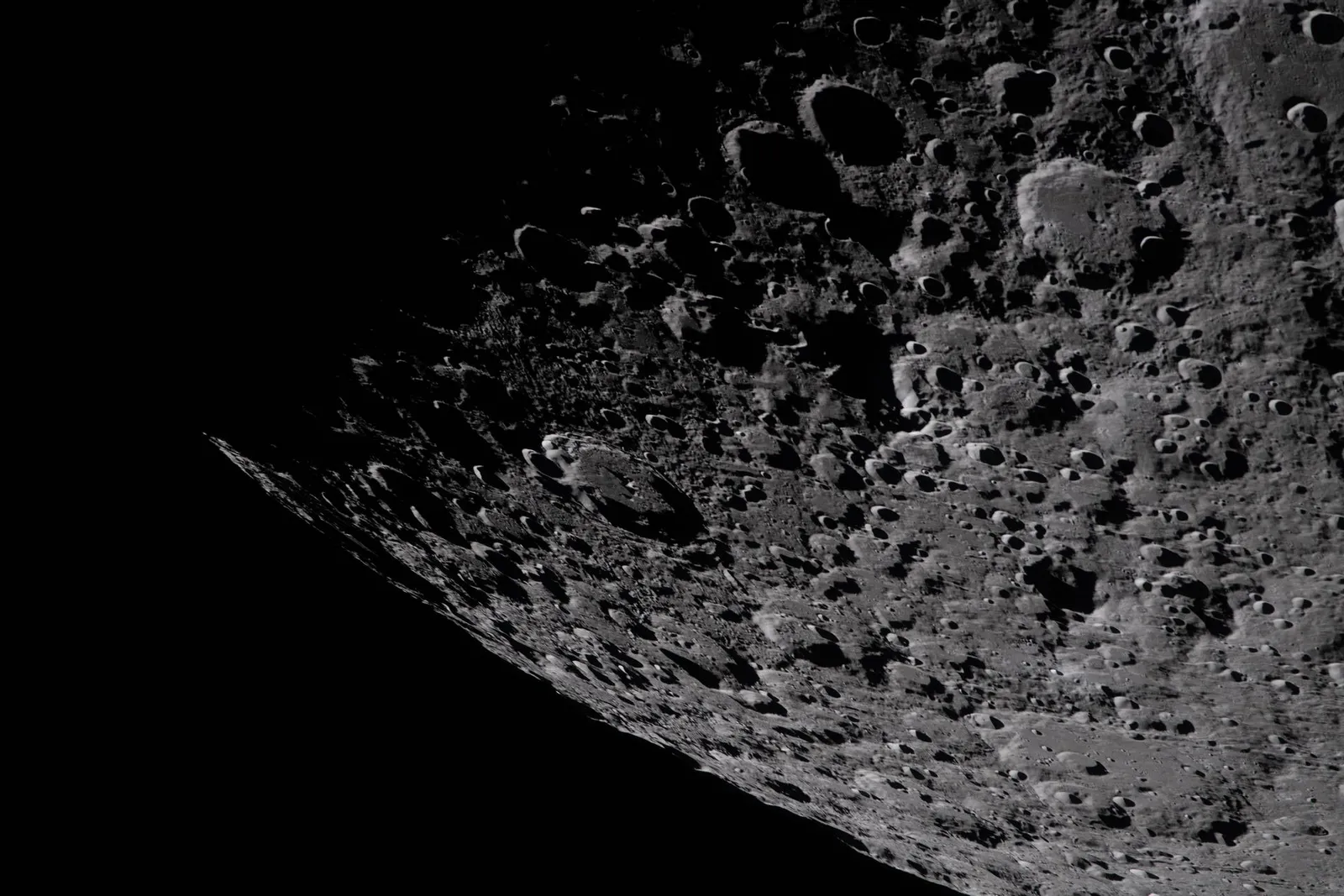
Lunar surface replete with craters generated by meteorite collisions.
The crew was flying between 6,000 and 7,000 kilometers away. Under normal conditions, these impacts would have gone unnoticed. However, at the time they were studying the solar eclipse, which left the far side of the moon completely dark. That extreme contrast allowed them to distinguish the brief flashes that emerged from the surface.
Before the trip, the Artemis II team trained to identify possible meteorite impacts on the moon. They immediately recognized what they were seeing and reported it according to their protocols. NASA later confirmed that these were natural collisions on the satellite, a scenario they have been monitoring for years. The agency has not yet released a statement, but the conversation was recorded on the YouTube livestream.
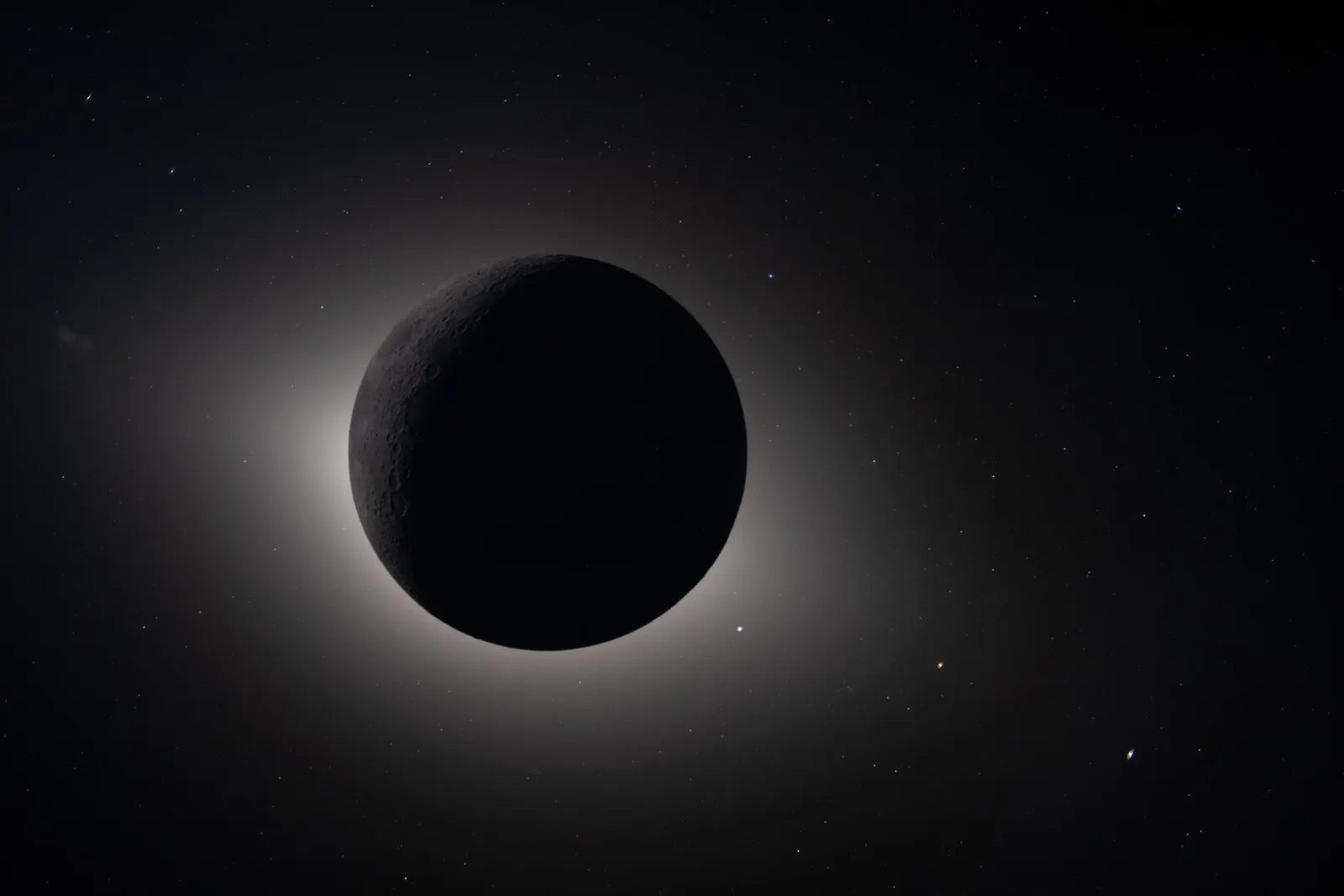
It was during this solar eclipse that the astronauts saw most of the impact flashes.
Since the idea of building permanent lunar bases first arose, different teams have assessed the risks to future inhabitants. Today, the two major challenges are “moonquakes” and meteorite impacts. For the former, there are plans to install seismographs to help understand the phenomenon. For the meteorites, astronomers already know the approximate frequency, and observations such as the six recent flashes help to refine existing models.
On Earth, the atmosphere destroys most meteorites before they reach the ground. Only the larger ones make it through, and it's a rare scenario. The moon lacks that protective layer, which means any fragment of space rock ends up impacting the surface. The hundreds of millions of lunar craters prove it.
In space exploration, even small objects can pose a risk. For example, a micrometeorite traveling at tens of kilometers per second can puncture thin materials or damage essential equipment. Fragments whose surface area exceed centimeters act as high-energy projectiles, similar to bullets, and could compromise a habitat. Objects larger than 1 meter across generate craters; while they're extremely rare, they pose a real risk.
此内容由惯性聚合(RSS阅读器)自动聚合整理,仅供阅读参考。 原文来自 — 版权归原作者所有。