


惯性聚合 高效追踪和阅读你感兴趣的博客、新闻、科技资讯
阅读原文 在惯性聚合中打开

推荐订阅源

量子位
F
Fortinet All Blogs
小众软件
小众软件
人人都是产品经理
人人都是产品经理
The Cloudflare Blog
OSCHINA 社区最新新闻
OSCHINA 社区最新新闻
Microsoft Azure Blog
J
Java Code Geeks
有赞技术团队
有赞技术团队
D
DataBreaches.Net
Hugging Face - Blog
Hugging Face - Blog
V
Visual Studio Blog
A
About on SuperTechFans
I
InfoQ
The GitHub Blog
The GitHub Blog
Engineering at Meta
Engineering at Meta
雷峰网
雷峰网
H
Hackread – Cybersecurity News, Data Breaches, AI and More
罗磊的独立博客
C
Check Point Blog
大猫的无限游戏
大猫的无限游戏
Cyber Security Advisories - MS-ISAC
酷 壳 – CoolShell
酷 壳 – CoolShell
MyScale Blog
MyScale Blog

Help Net Security

FIDO Alliance wants to keep AI agents from going rogue on online payments Police arrest 10 suspected members of Black Axe cybercrime gang ShinyHunters claims it stole 1.4 million records from Udemy Sevii unveils Cyber Swarm Defense Mode to stop AI-driven attacks at scale Alleged Chinese hacker extradited to US over cyberattacks targeting COVID-19 research Cequence Agent Personas bring granular control and governance to enterprise AI agents NowSecure MARI gives enterprises evidence-based visibility into third-party mobile app risk The metrics killing your SOC, and what to use instead US state privacy fines reached $3.425 billion in 2025 Canada’s first SMS blaster case leads to three arrests Linux storage management tool Stratis 3.9.0 adds online encryption and cache-less pool startup TLS Connect gives SMBs a right-sized automated tool to manage TLS certificates Aptori expands its platform with autonomous offensive testing to reduce security bottlenecks Your IAM was built for humans, AI agents don’t care The AI criminal mastermind is already hiring on gig platforms 25 open-source cybersecurity tools that don’t care about your budget Product showcase: LuLu reveals unauthorized outbound connections from Mac apps Week in review: Claude Mythos finds 271 Firefox flaws, Vercel breach Users advised to drop passwords and make room for passkeys - Help Net Security Indirect prompt injection is taking hold in the wild - Help Net Security Compromised everyday devices power Chinese cyber espionage operations - Help Net Security New Cisco firewall malware can only be killed by pulling the plug - Help Net Security Meta is overhauling how you sign in, manage settings, and protect your accounts - Help Net Security Ubuntu 26.04 LTS delivers memory-safe system tools and live patching for Arm servers - Help Net Security OpenAI’s GPT-5.5 is out with expanded cybersecurity safeguards - Help Net Security AI is speeding up nation-state cyber programs - Help Net Security A study of 1,000 Android apps finds a privacy policy logging gap - Help Net Security IT spending to hit $6.31 trillion record, thanks to AI - Help Net Security Where AI in CI/CD is working for engineering teams - Help Net Security With AI's help, North Korean hackers stumbled into a near-undetectable attack - Help Net Security
Product showcase: Session, a messenger without phone numb...
Anamarija Pogorelec · 2026-04-10 · via Help Net Security

Instant messaging has been around for decades, but it became widely adopted with the emergence of smartphones. Earlier, communication was limited to basic text messages. Messaging expanded to include photos, videos, and video calls without relying on telecom networks, as long as there is a reliable data connection.

Privacy and metadata concerns

With the growth of communication, privacy and security concerns became more prominent. Companies responded by encrypting message content to protect user data. End-to-end encryption improved privacy, but it does not address metadata collection by companies or state-level actors. Metadata can include IP addresses, phone numbers, timestamps, message frequency, and relationships between users.

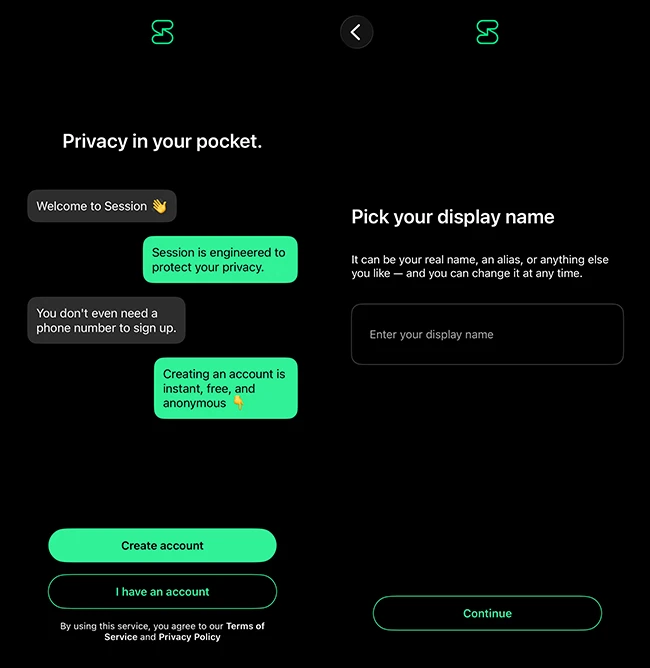
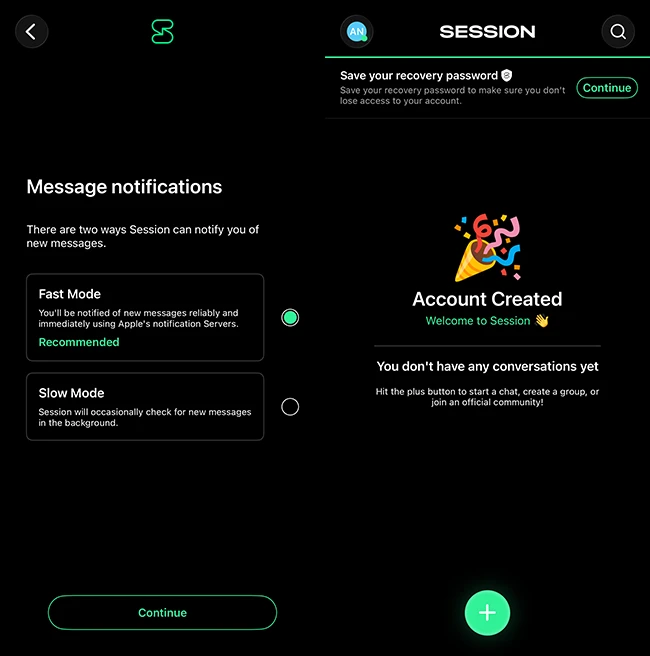
Session focuses on reducing metadata exposure and does not require a phone number, email address, or any personal identifier when creating an account. Users are assigned a random ID and can choose pseudonyms. The app uses onion routing, which makes it difficult to link IP addresses to accounts or trace sent and received messages.
Session messenger

Session messenger

Decentralized network and message handling

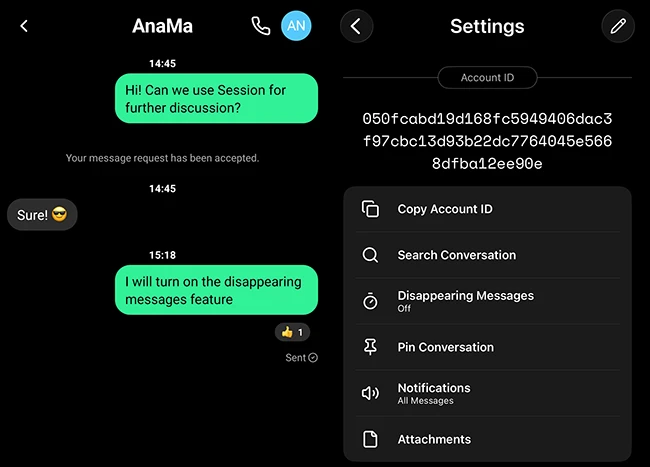
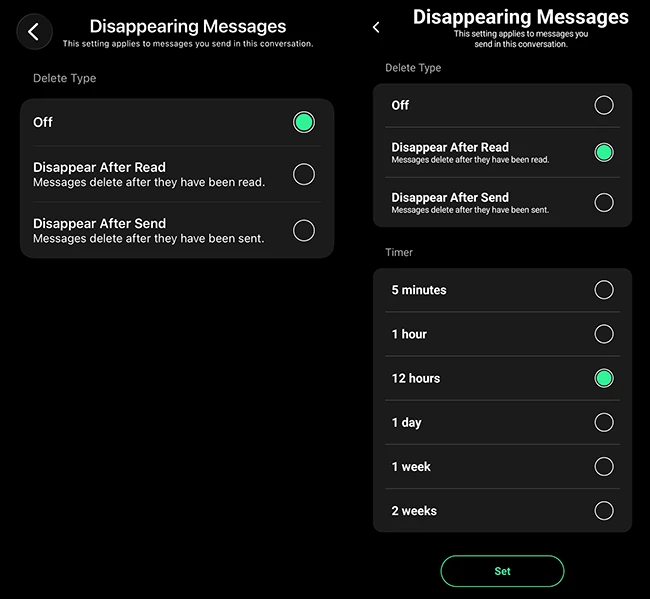
The platform does not rely on central servers and uses a decentralized network of incentivized nodes to handle message routing and temporary storage. For features that are harder to decentralize, such as large file transfers or large group channels, users can host infrastructure themselves. Encryption and metadata protection remain in place in these cases. Session also supports disappearing messages, giving users control over how long conversations are kept.
Session messenger

Session messenger

Session is an open-source, free messaging application based on public-key cryptography. It includes standard messaging features such as group chats, multi-device syncing, offline message storage, and support for voice and video calls.

The application runs on both mobile and desktop devices across major platforms. Users can connect by sharing their Session ID or scanning a QR code.
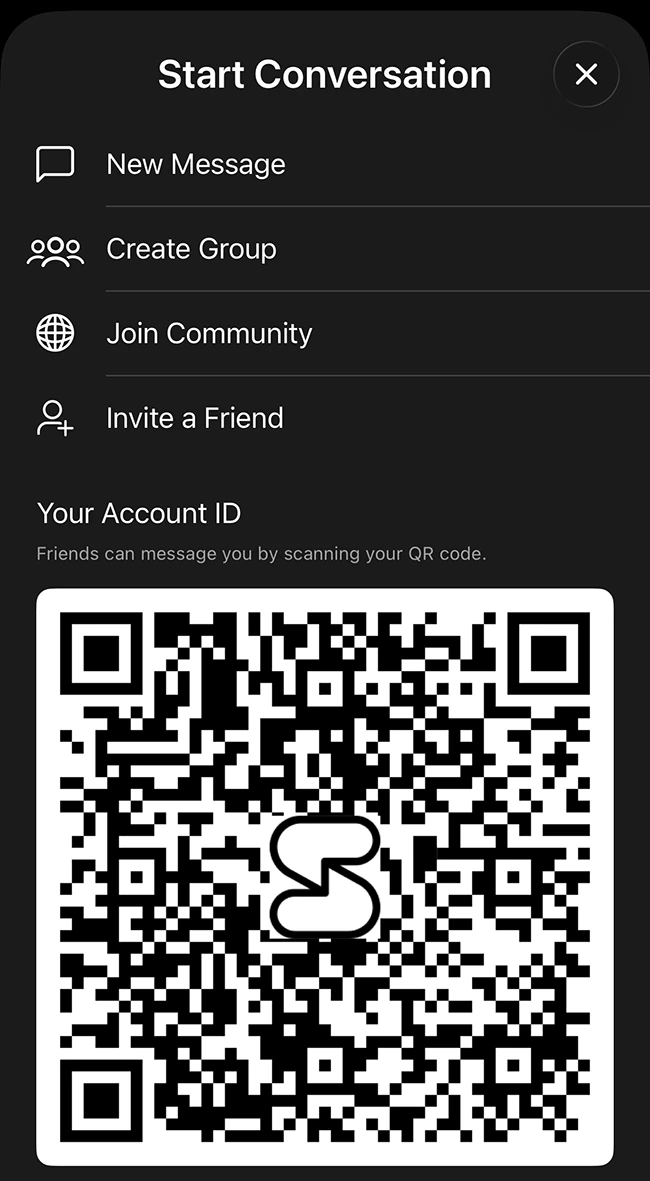
Session messenger

The first message or group invitation will be interpreted as a message request and sorted into a separate folder so users can decide if they will accept or deny further messages. If accepted, conversation moves to main conversations screen.

Account restoration

Since there is no central server storing account data, users are responsible for saving their account credentials. During setup, Session provides a mnemonic seed phrase that represents the user’s private key. This phrase can also be viewed as a QR code and is required to restore access to the account.
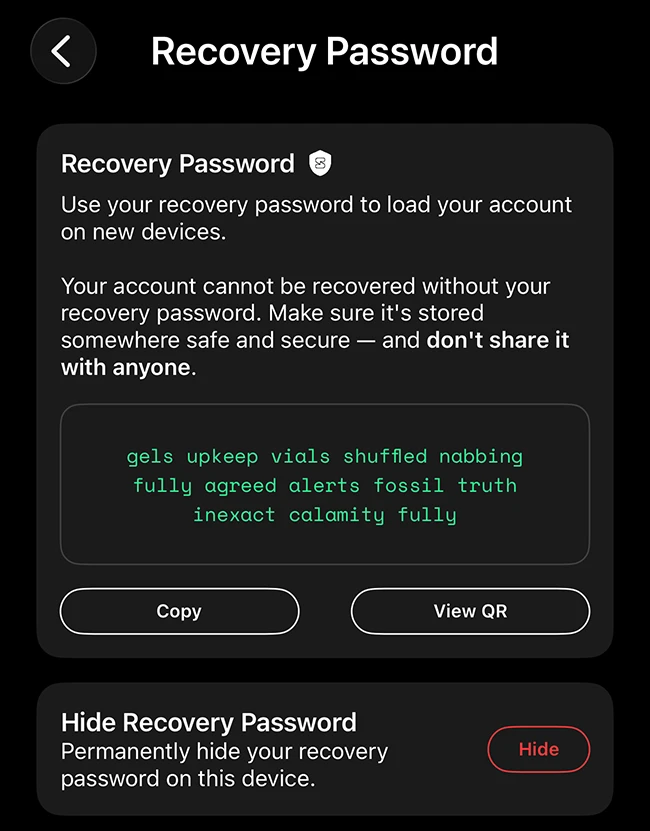
Session messenger

Final thoughts

Session is intended for users who require private communication without linking activity to personal identifiers. Its decentralized design, custom protocol, and metadata protections define its approach. The product focuses on delivering standard messaging capabilities within a network that reduces data collection and distributes control across its participants.