惯性聚合 高效追踪和阅读你感兴趣的博客、新闻、科技资讯
阅读原文 在惯性聚合中打开

推荐订阅源

Martin Fowler
Martin Fowler
T
The Blog of Author Tim Ferriss
J
Java Code Geeks
M
MIT News - Artificial intelligence
F
Fortinet All Blogs
Cyber Security Advisories - MS-ISAC
B
Blog
Microsoft Azure Blog
I
InfoQ
Microsoft Security Blog
N
Netflix TechBlog - Medium
G
Google Developers Blog
L
LangChain Blog
腾讯CDC
大猫的无限游戏
大猫的无限游戏
U
Unit 42
Google DeepMind News
人人都是产品经理
人人都是产品经理
罗磊的独立博客
钛媒体:引领未来商业与生活新知
钛媒体:引领未来商业与生活新知
小众软件
小众软件
The GitHub Blog
The GitHub Blog
博客园_首页
GbyAI
GbyAI

噜啦 - 内建函数

函数的内建函数 - 噜啦 文件的内建函数 - 噜啦 文件的内建函数 - 噜啦
函数的内建函数 - 噜啦
博主: 噜啦 · 2019-09-19 · via 噜啦 - 内建函数

函数的内建函数

  • 发布时间:
  • 1744 次浏览
  • 1001字数
  • 分类: Python笔记本
  1. 首页
  2. 正文  

代码

#几个常用的内建函数
#filter()  map()  reduce()  zip()

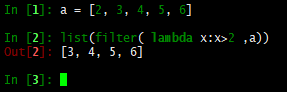
#过滤满足功能(函数、条件)的元素取出
a = [2, 3, 4, 5, 6]
list(filter( lambda x:x>2 ,a))
print(list)

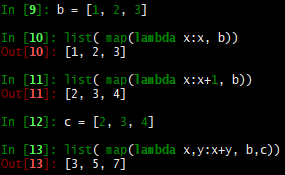
#map 依次处理列表的的元素
b = [1, 2, 3]
list( map(lambda x:x, b))

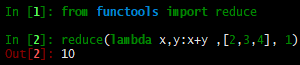
#reduce 将序列和初始值以函数的方式运算
from functools import reduce
reduce(lambda x,y:x+y ,[2,3,4], 1) #运算过程 ((1+2) + 3) + 4

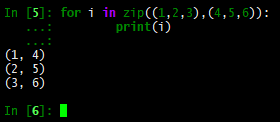
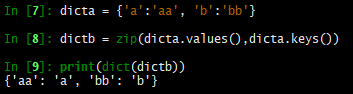
#zip函数 将两个函数值和value对换
#定义元组 (1,2,3),(4,5,6)
for i in zip((1,2,3),(4,5,6)):
    print(i)

dicta = {'a':'aa', 'b':'bb'}
dictb = zip(dicta.values(),dicta.keys())
print(dict(dictb))

运行
赞赏作者

如果觉得我的文章对你有用,请随意赞赏

函数的内建函数

 •