





Extremophiles that thrive in the most unforgiving environments aren’t just biological curiosities. Understanding their resilience has many implications.
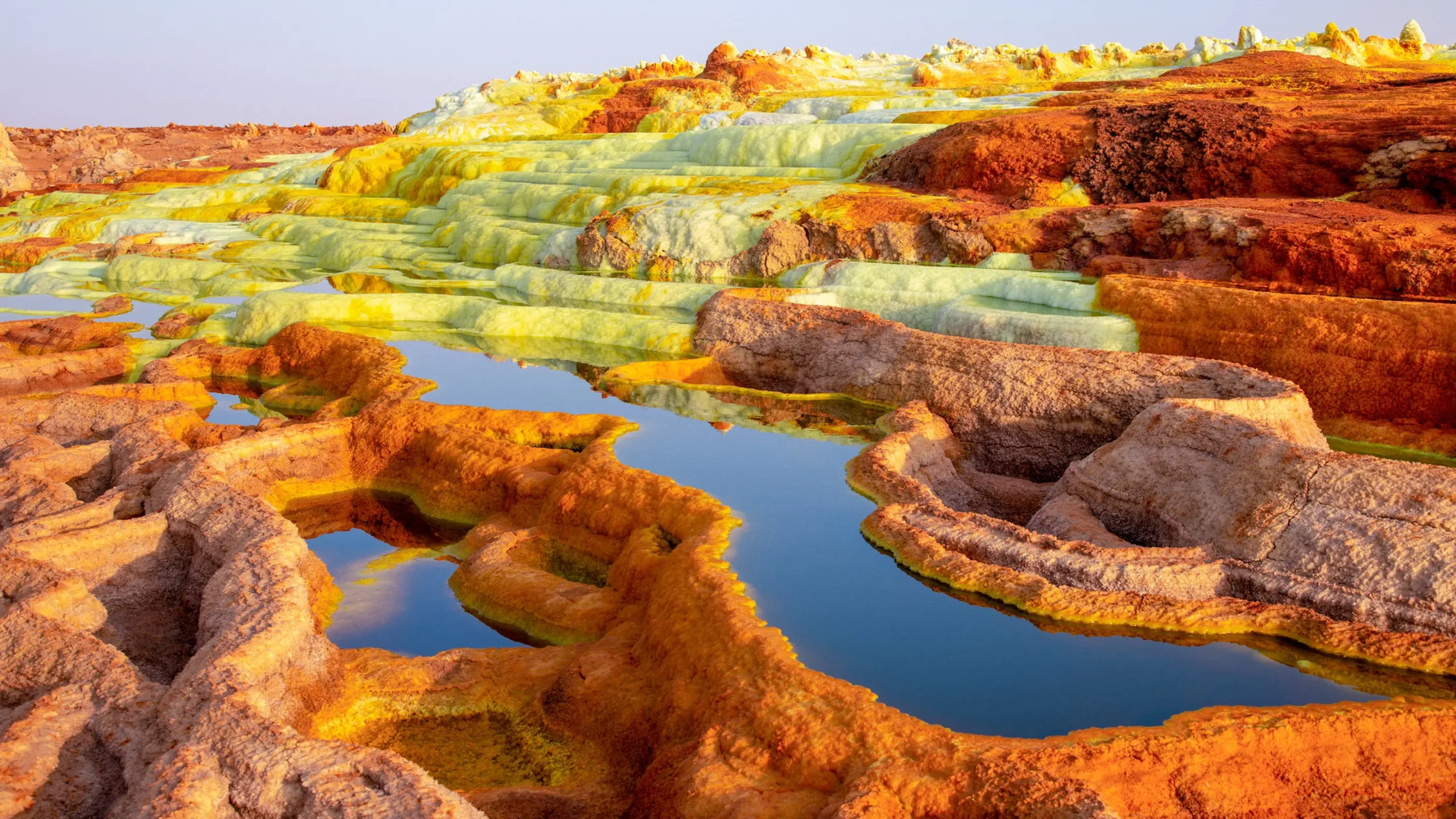
The Danakil Depression in Ethiopia is one of the hottest, lowest, and driest places on the planet… and yet some life manages to survive there.
Wysiati/Alamy
Life has scarcely found a boundary on Earth that it can’t push. While much of life’s diversity exists in lush, bountiful habitats like tropical rainforests and coral reefs, even the most brutal corners of the planet are also occupied. The organisms that thrive in extreme environments — blistering temperatures, crushing pressures, corrosive acid — are what we call “extremophiles.”
Most of these imperiled pioneers are rugged microbes, such as bacteria or archaea. Some have evolved to live in poisonous brine that would fatally pickle nearly everything else. Some can happily grow in subzero temperatures, using special enzymes that chug along where others grind to a halt. Others can shrug off the menaces of heavy metals, ionizing radiation, or the vacuum of space and still thrive.
These organisms aren’t just curiosities. Understanding their resilient biology has many possible applications. Discovering biochemicals that function under extreme temperatures, pH levels, or pressure could be a boon for a broad array of industrial processes. The organisms may also help clean up toxic pollutants by growing, thriving, and digesting where nothing else can. Extremophiles and their enzymes are even responsible for the modern era of genetics and molecular biology.
Extremophiles can also provide a window into life’s deep origins. The planet where life first evolved was a harsh place compared to today, and it likely had high concentrations of toxins and heavy exposure to radiation. By divining the limits of what life can endure today, researchers can get a better idea of what made life possible in the first place, and what has allowed life to adapt to almost any environment.
And if life can be found at our planet’s extremes, then there’s a chance that life may exist elsewhere in the universe. Extremophiles offer a hypothetical peek at alien biology, helping us better imagine what kinds of life forms might evolve on other relatively inhospitable worlds, from our neighbor Mars to far beyond.
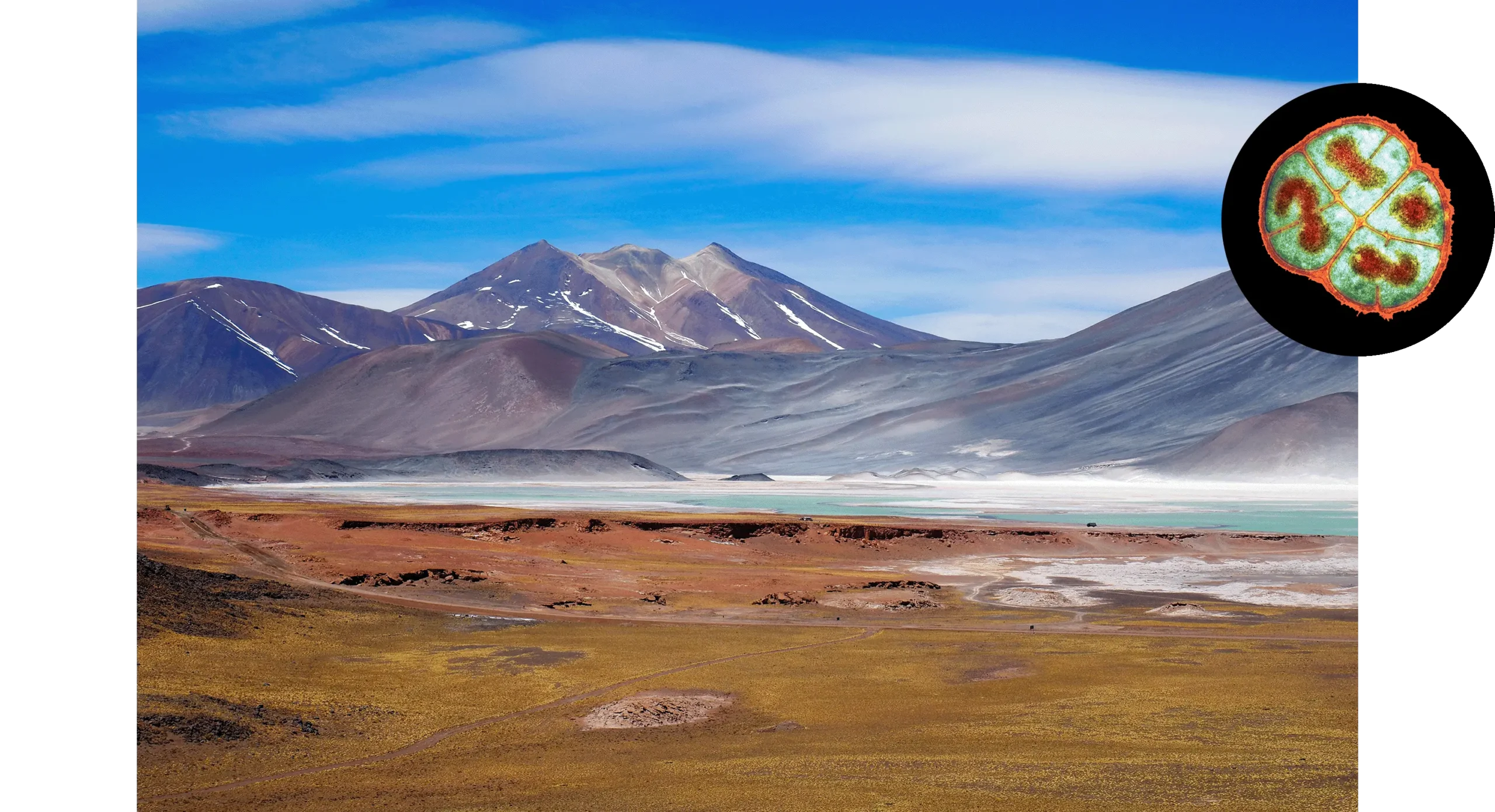
The bacterium Deinococcus radiodurans (inset image) was accidentally discovered in the 1950s when scientists bombarded cans of meat with enormous doses of ionizing radiation. As the microbe can rebuff radiation exposure up to 1,000 times greater than what would kill a human, it may help researchers understand how life might survive on worlds with much higher radiation exposure than Earth. Its semi-close relative D. peraridilitoris was found in an arid coastal desert in Chile (main image), where it also resists intense radiation exposure.
Wescottm; Michael J. Daly/Science Source
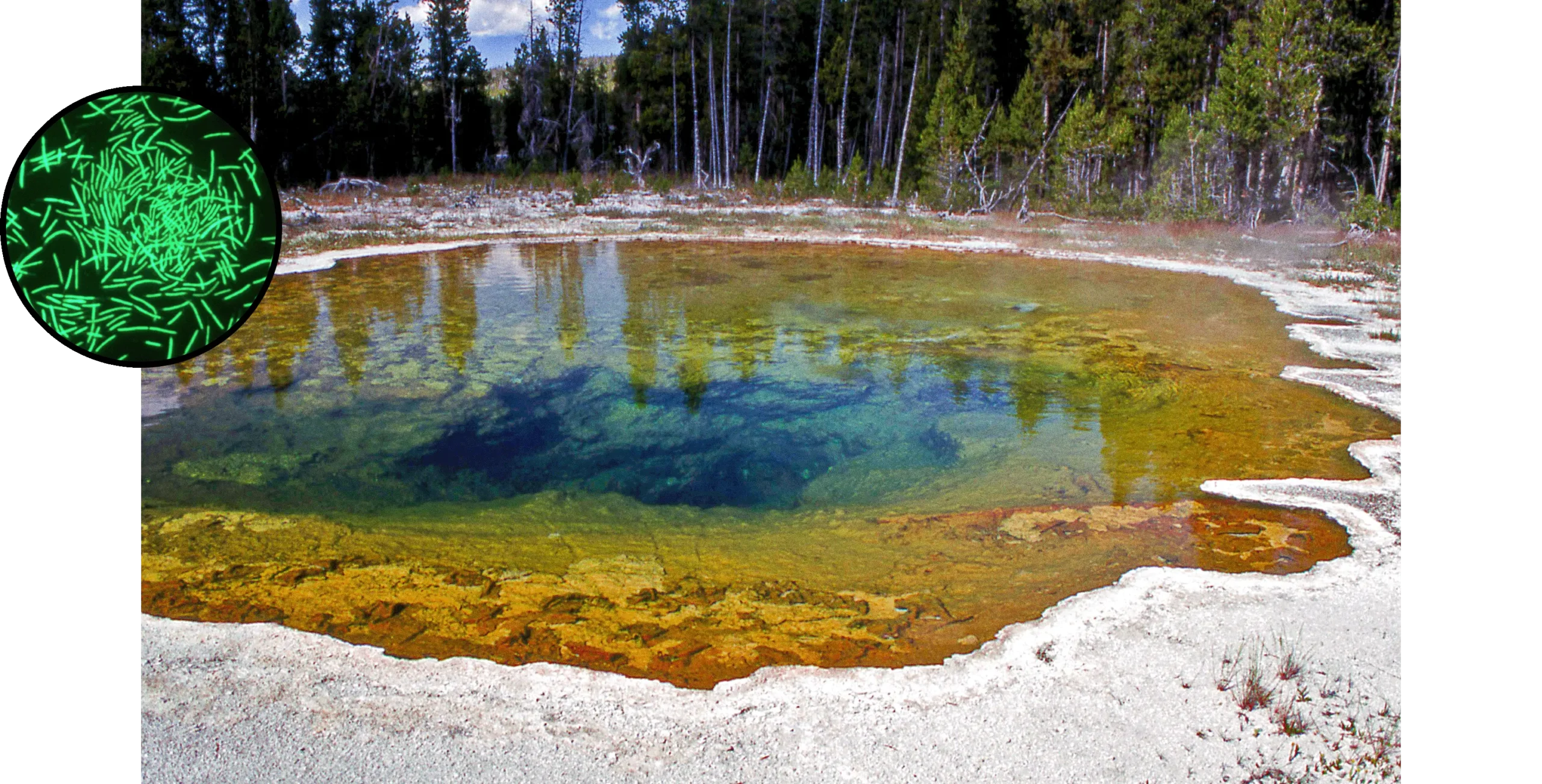
Today, many thermophilic (heat-loving) microbes are known to thrive in near-boiling hot springs around the world. One of the most important was also one of the earliest found by science. In the late 1960s, researchers working in Yellowstone National Park described the bacterium Thermus aquaticus (inset) from Mushroom Pool (main). The isolation of its heat-stable, DNA-synthesizing enzyme, called Taq DNA polymerase, was described in a paper published in 1976. This led to the invention of the polymerase chain reaction that could replicate DNA segments in vast quantities in the lab, fundamentally revolutionizing molecular biology.
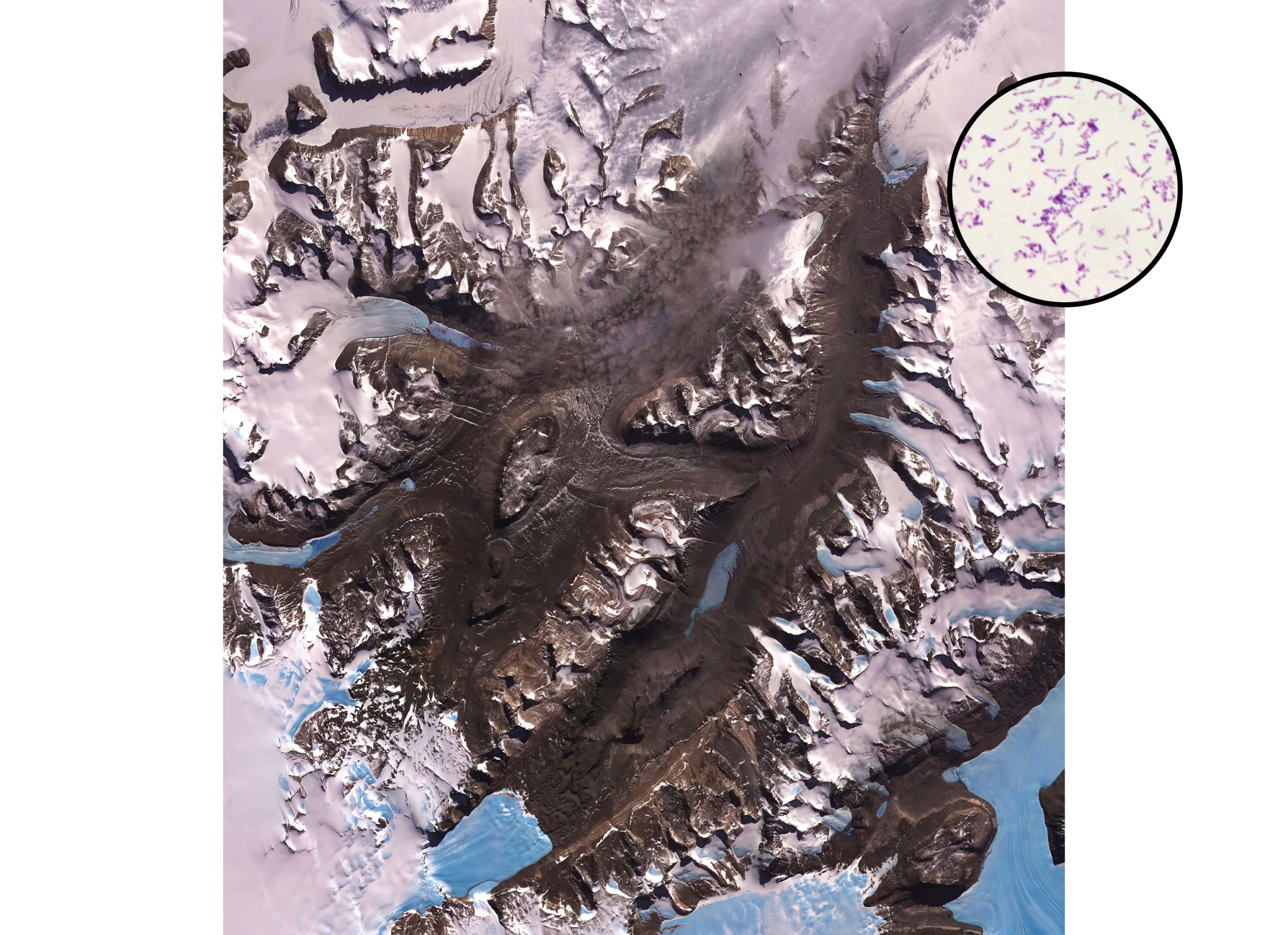
Some microbes make a life in one of Earth’s coldest and driest permafrosts, Antarctica’s McMurdo Dry Valleys (main). Among these psychrophilic (cold-loving) microbes is Rhodococcus sp. JG-3 (inset). The bacterium can grow at minus 5 degrees Celsius and respire at minus 15 degrees Celsius. Some Rhodococcus species produce enzymes that are very active at low temperatures, making these chemicals potentially useful for cleaning up pollutants in extremely cold environments. How Rhodococcus species manage life at super-cold temperatures is also of interest to scientists exploring the potential for extraterrestrial life on other planets.
Stocktrek Images; Jennifer Ronholm
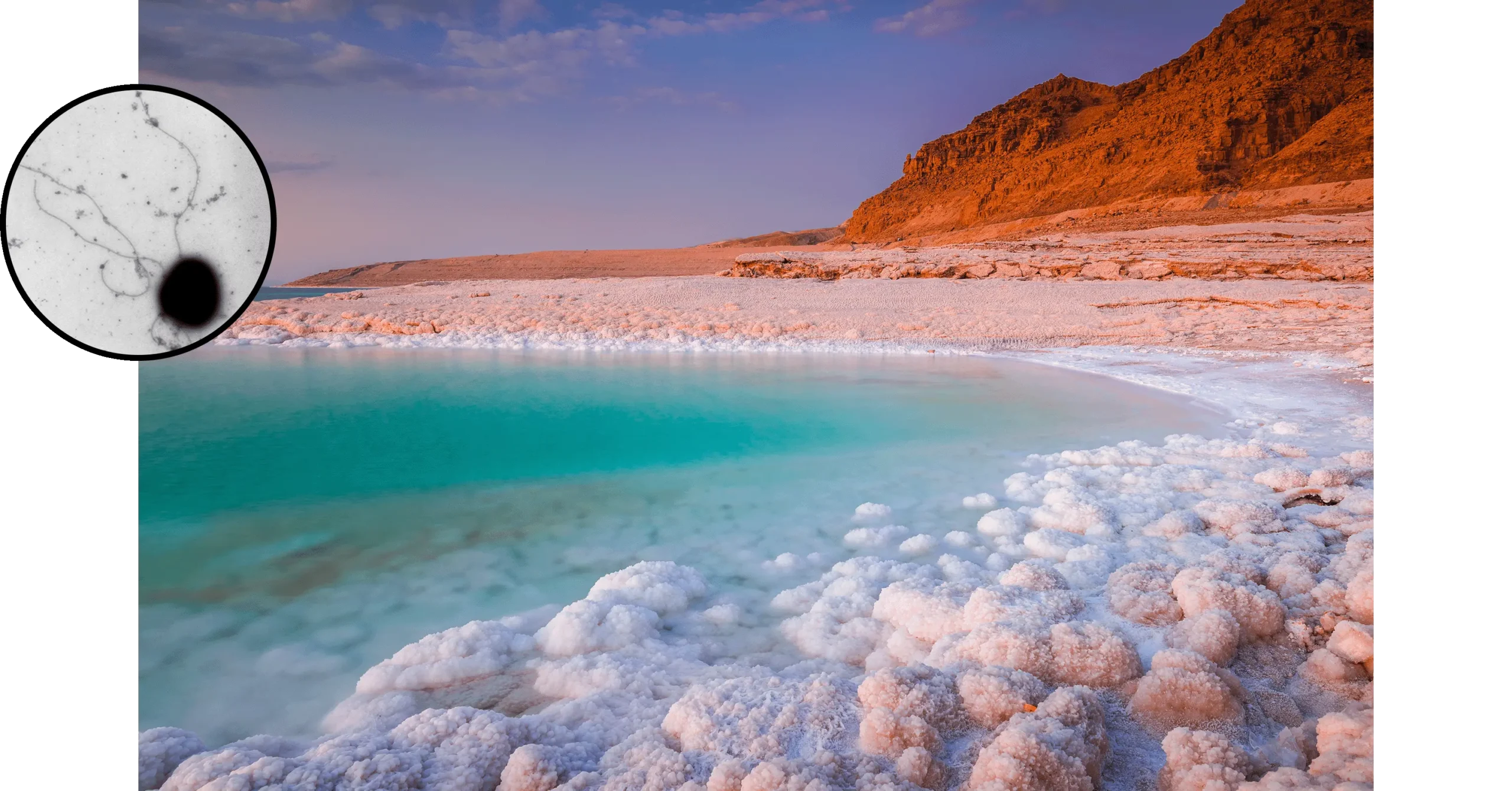
Much of the Dead Sea (main) lives up to its name. But a limited selection of extreme halophiles (salt lovers) can survive the osmotic strain of the sea’s waters. One is Haloarcula marismortui, an archaeon (inset). Halophiles survive the intense salinity of the inside of their own cells partially by protecting their own proteins with a hydrated, acidic shield.
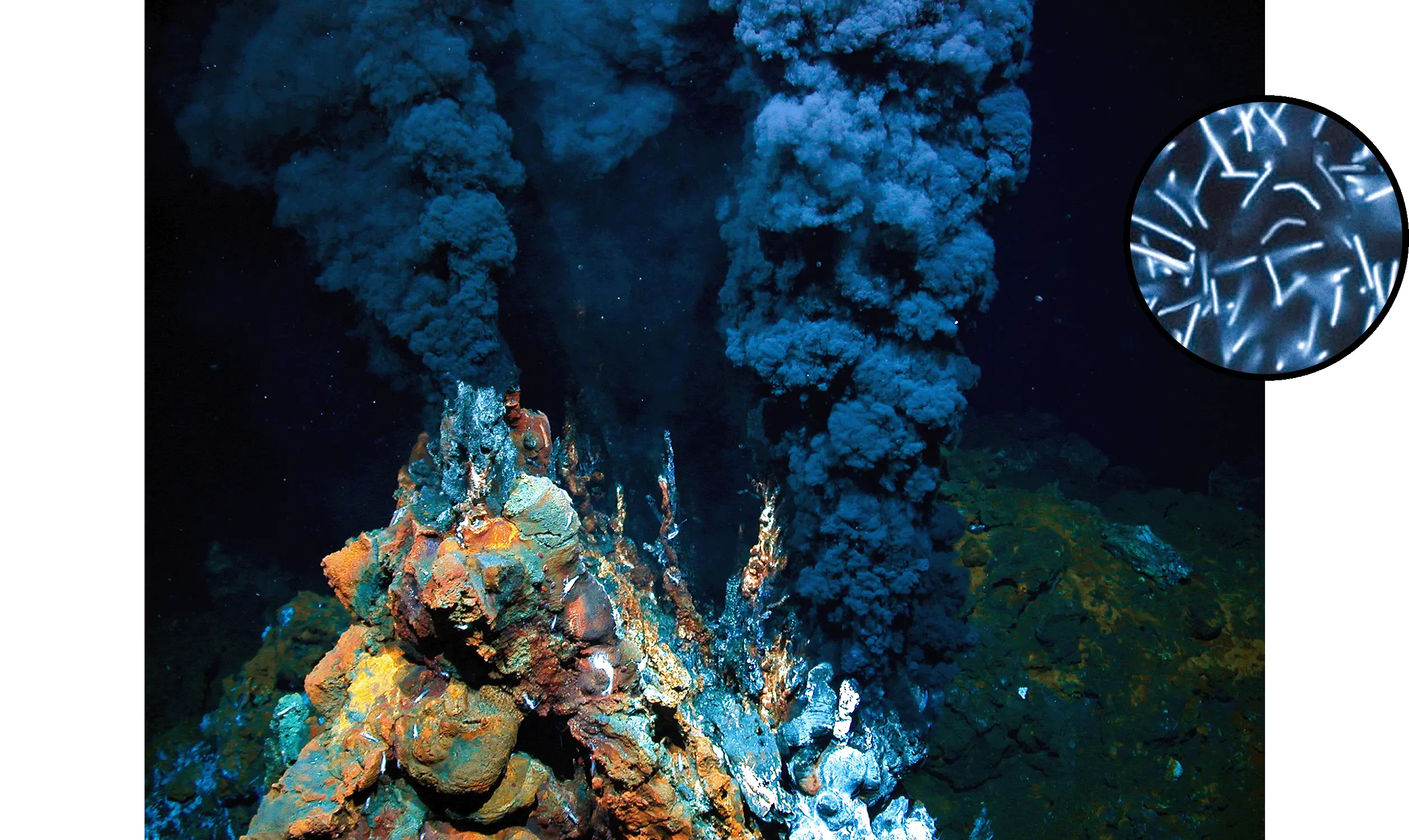
Life can even persist in the inhospitable ocean depths (main) where the Earth tears itself apart. Methanopyrus kandleri (inset) is an archaeon first described around 35 years ago and found living on a deep-sea hydrothermal vent in the Gulf of California. The methane-producing microbe thrives in the intense, volcanically heated water pouring out into the inky black depths, and it lives in environments that may resemble that of the early Earth. Even while enduring the crushing pressure and salty surroundings, at least one strain of Methanopyrus can grow at 122 degrees Celsius, making it one of the most heat-tolerant organisms known.
MARUM; K.O. Stetter & R. Rachel/University of Regensburg
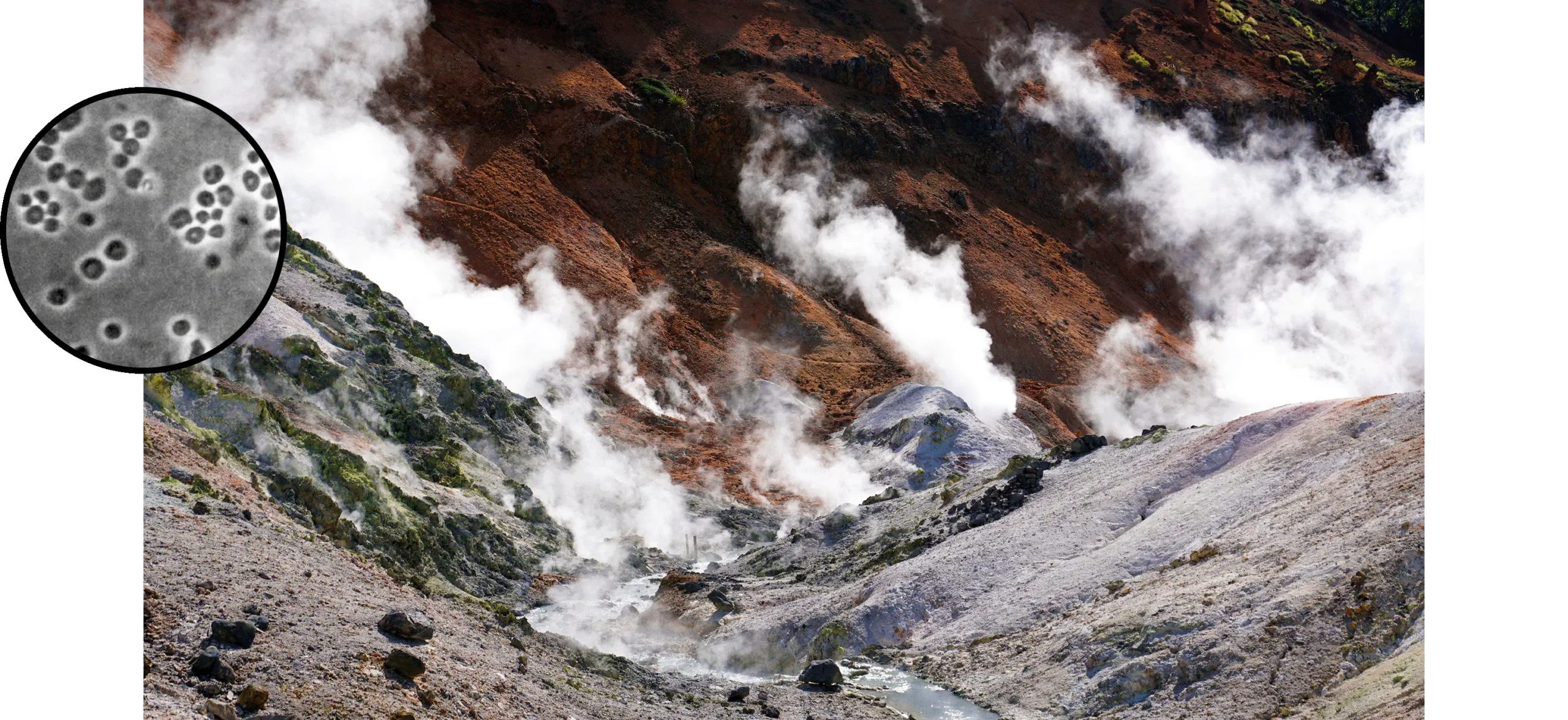
In the mid-1990s, researchers described two acidophilic (acid-loving) species belonging to a novel genus of archaea in a hot spring in northern Japan (main). One of the organisms, Picrophilus oshimae (inset), may be one of the most acid-tolerant life forms yet discovered. The archaea thrive at a pH of 0.7, which is in the realm of gastric or battery acid. Determining how P. oshimae’s proteins and DNA can survive such a low pH may help researchers better understand how life survived any highly acidic environments of the ancient Earth.
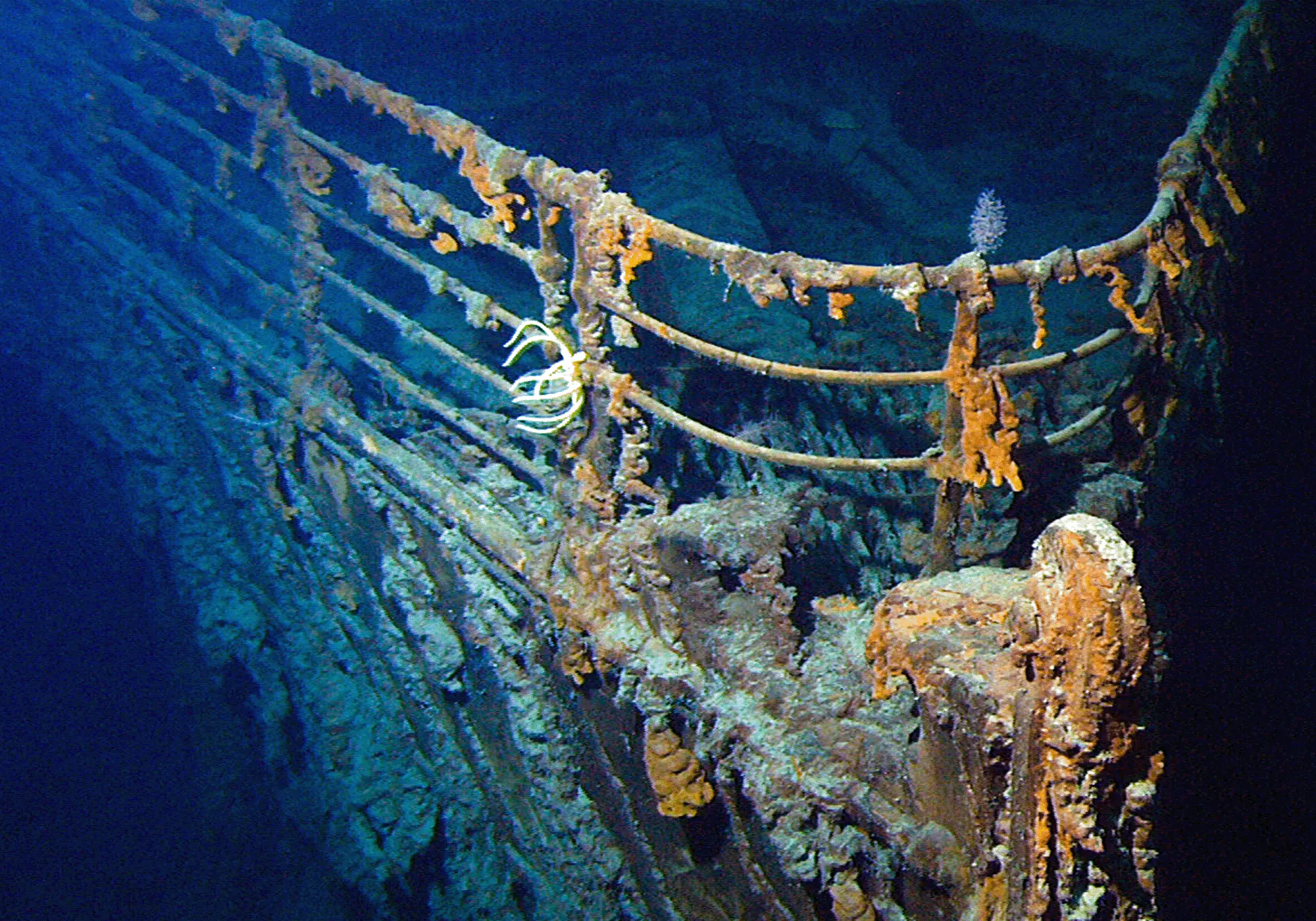
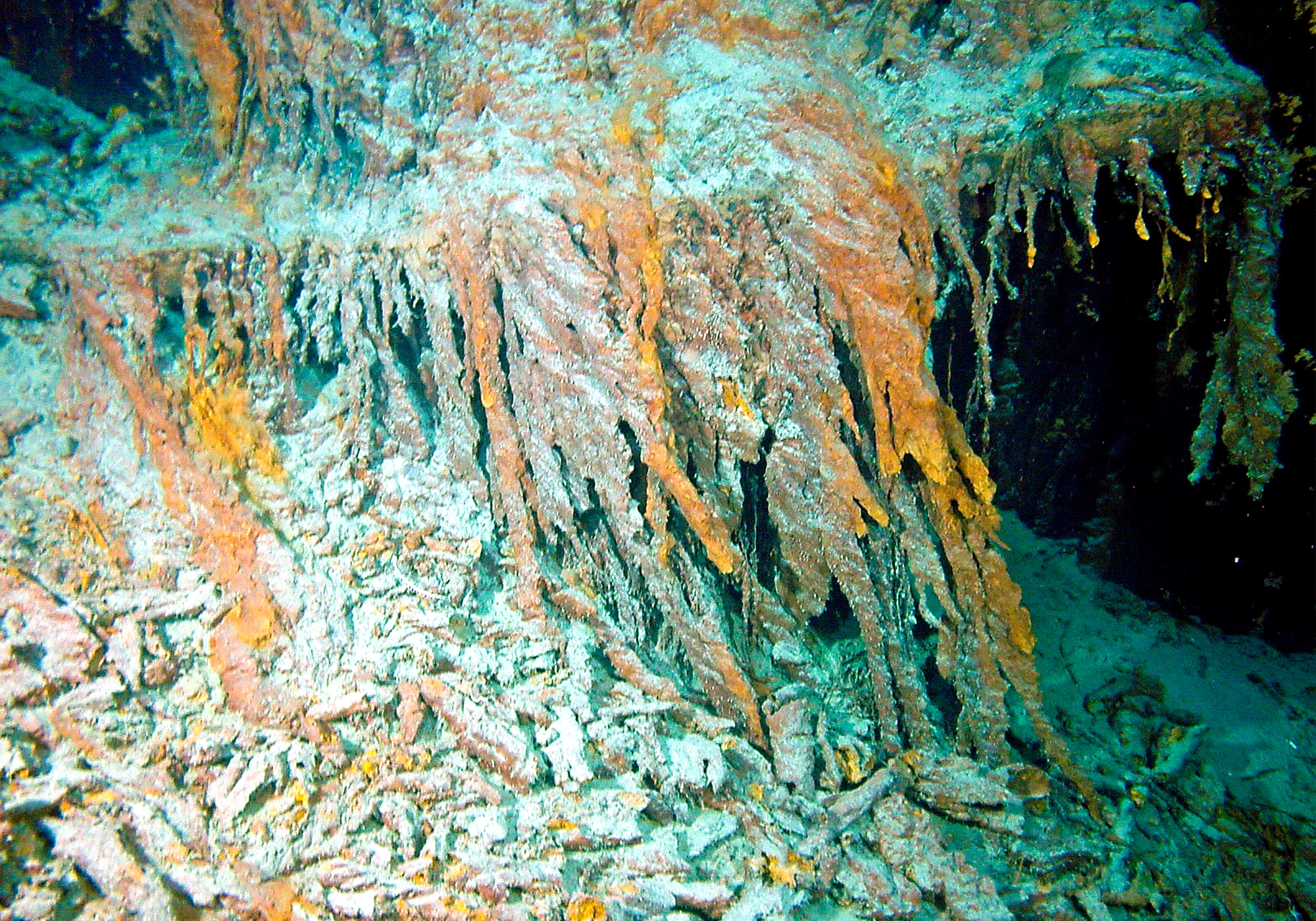
Some halophiles have an appetite for history. The bacterium Halomonas titanicae was described in 2010 after its discovery amid the wreck of RMS Titanic (left), where it has spent over a century chewing up the ship’s steel, leaving behind long, rusty tendrils (right). The marine microbe’s taste for iron may give it a future role in cleaning up metal waste in sensitive environments.
NOAA; Lori Johnston, RMS Titanic Expedition 2003, NOAA-OE
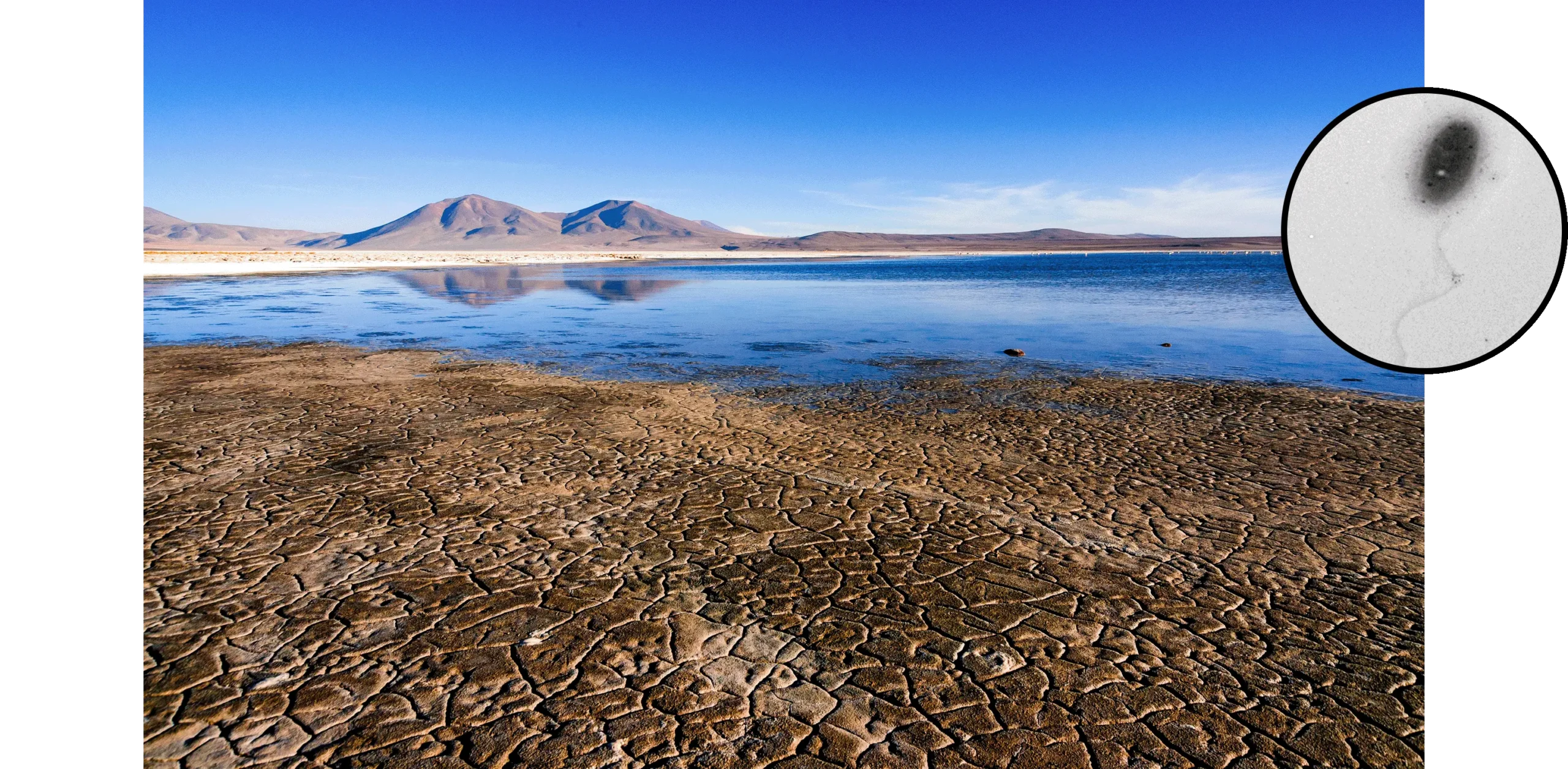
Some life forms are “polyextremophiles” capable of living under multiple stressful conditions at once. An example is Exiguobacterium sp. SH31 (inset), a bacterium found in the salt wetlands of Salar de Huasco in Chile (main). It can survive both high salinity and a flood of toxic heavy metals such as cadmium, chromium, and arsenic.
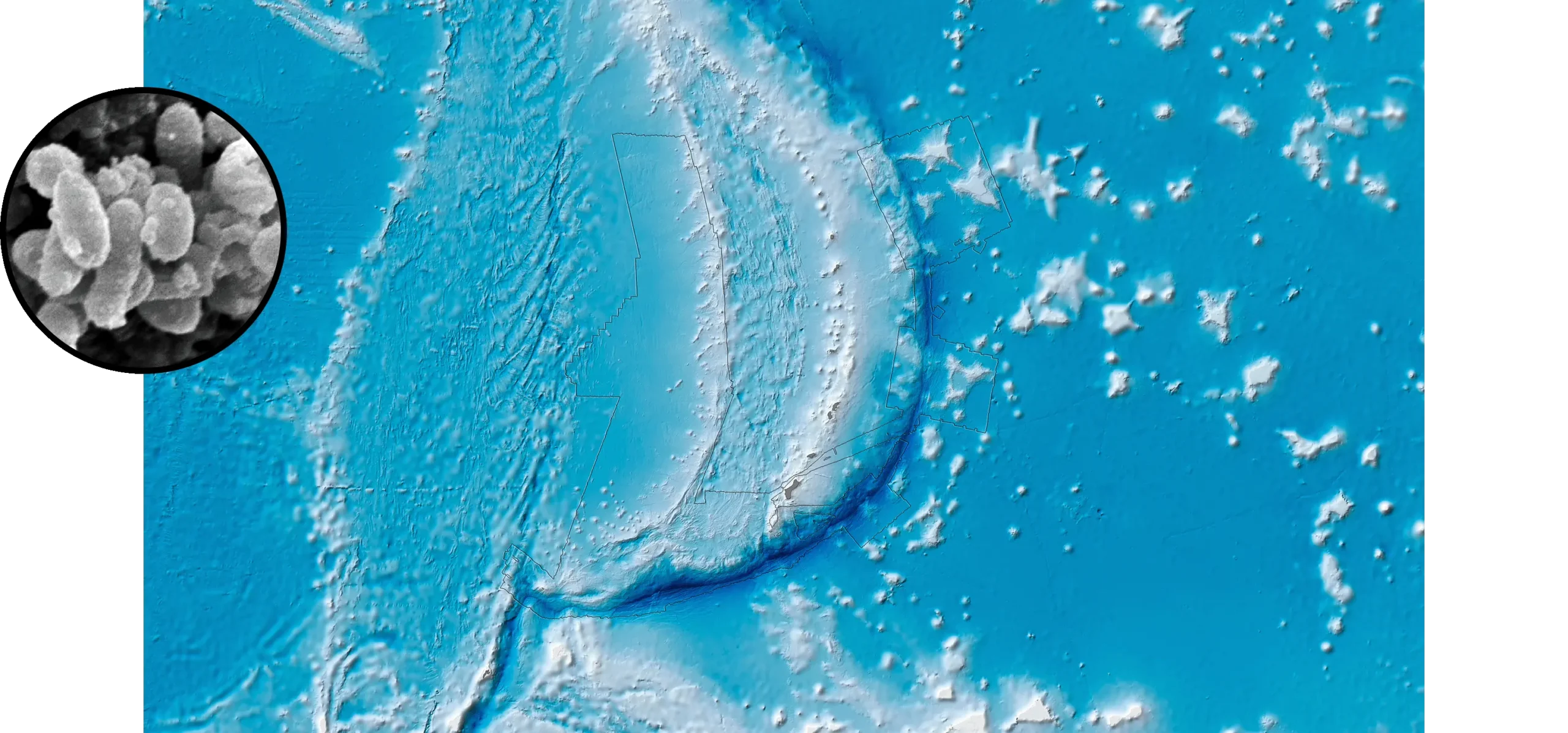
First reported in the Mariana Trench (main) in 2017, the bacterium Colwellia marinimaniae (inset) is, as far as we know, the piezophile (pressure lover) that can grow at the highest pressure. The microbe was found on a decaying crustacean, and laboratory tests showed that it grows best at 120 megapascals of pressure — or nearly 1,200 atmospheres. (Without special equipment, free divers routinely withstand about 10 atmospheres underwater.) Piezophile enzymes may be useful for industrial applications that take place under high pressures.
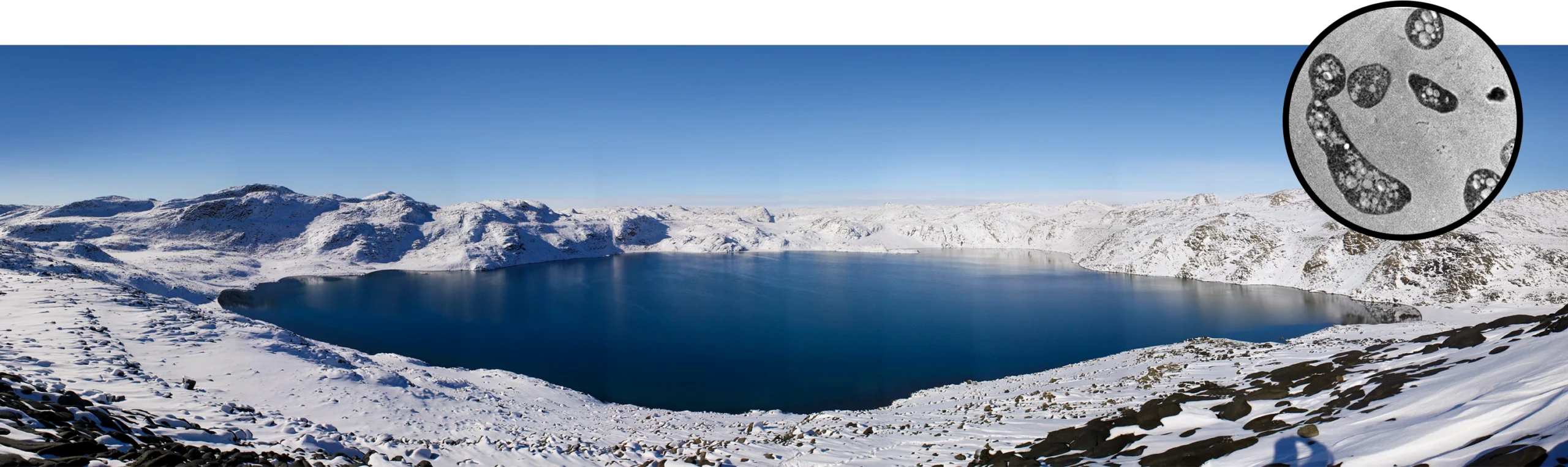
Antarctica’s Deep Lake (main) is an extreme habitat two-for-one. It is not just very cold, but also very salty, which allows the water to stay liquid at minus 20 degrees Celsius. Halorubrum lacusprofundi (inset) is an archaeon that takes one of the coldest plunges possible.
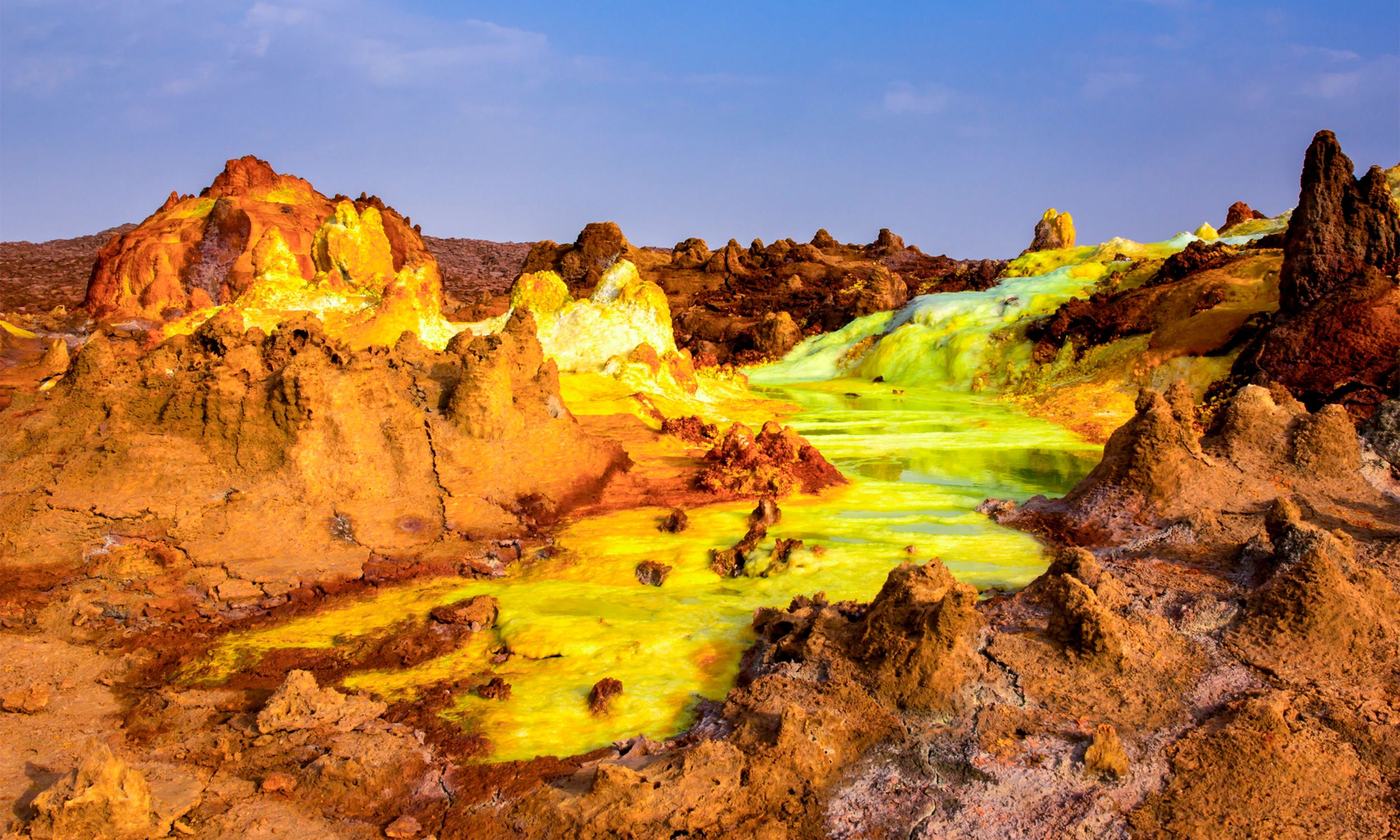
Life is pushed to its very limits in the Danakil Depression, a sweltering, volcanic, toxic depression in Ethiopia. Some tiny polyextremophile forms of archaeal life persist in some of the hot, acidic, salty surface water. Researchers have found ultra-small bacteria, up to 20 times smaller than the average bacteria, living in one of the acidic, super-hot salt chimneys.
KrasnovaE/iStock
Martin Picard’s Mitochondrial Theory of Mind
此内容由惯性聚合(RSS阅读器)自动聚合整理,仅供阅读参考。 原文来自 — 版权归原作者所有。