







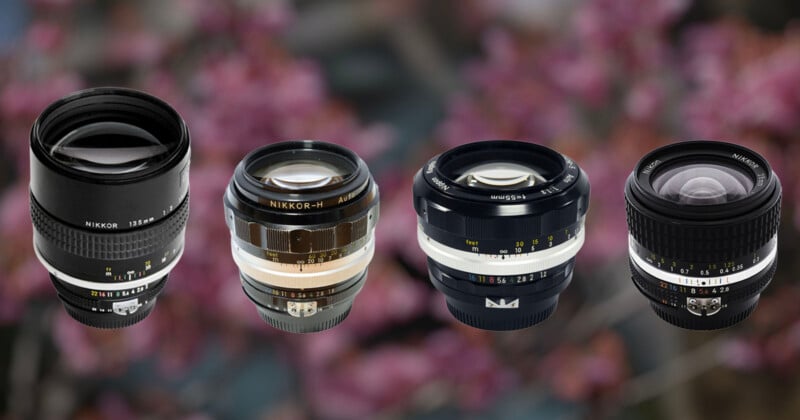
Earlier this week, I published a “review” of sorts of the Nikon S3 rangefinder, which I believe to be one of the most beautiful cameras ever made. Through that experience, though, I was reminded of Nikon’s vintage glass, and once again baffled by how the company hasn’t remade them.
I have already written at length multiple times that I believe that Nikon should remake the 105mm f/2.5. It is my favorite lens of all time, and using the Nikon S-mount version of it with the S3 reignited that simmering flame into a roaring inferno. If I were getting upset that Nikon hadn’t remade that lens before, I’m basically inconsolable now.

I have to be honest, I did not realize that the 105mm f/2.5 that I love on my Nikon F existed in another form before that on the Nikon S rangefinders. Of course, Nikon has already paid homage to this outstanding lens on its The Thousand and One Nights series, and it’s no wonder that I enjoyed my time with this rangefinder version: it has a very similar optical formula.
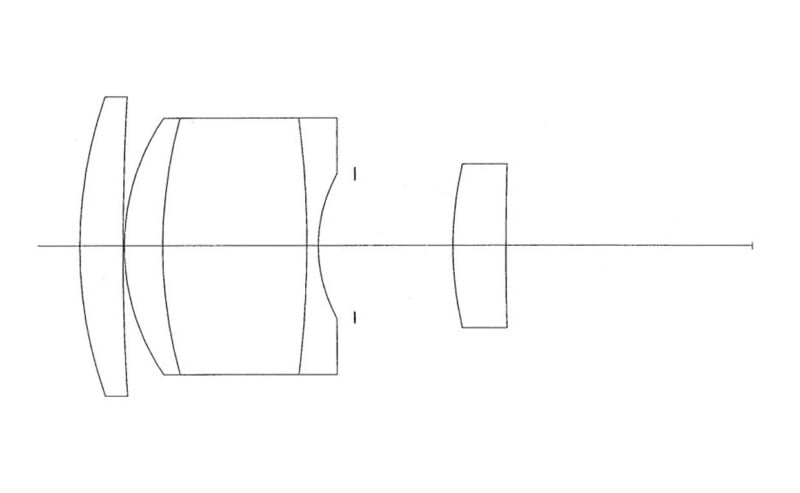
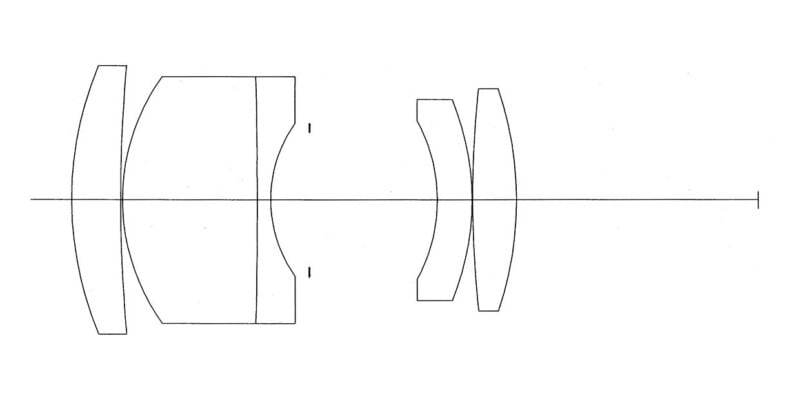
“While the new and old lenses had differences in front and rear lens diameters, overall length and thickness are about the same, amazingly enough. Inside the lens barrel, in fact, it is hard to tell them apart,” Haruo Sato writes for The Thousand and One Nights.
No one makes lenses like this anymore. It would be crazy to think of a five-element lens made today, especially if one of those elements is a big, thick, block. But even now, the images this lens renders are gorgeous.
I could keep going, but I already have, so I would rather move on to the pitch I’m making here: Nikon would absolutely crush it if it released a “Heritage Series” of lenses: classic re-releases of the 28mm f/2.8, 35mm f/2.8, 55mm f/1.2, 85mm f/1.8, 105mm f/2.5, and 135mm f/2 but on Nikon Z mount.

Bring back these lens formulas, largely unchanged, and let modern photographers see why these are beloved or, in many cases, regarded as legendary.
There are two ways to approach a re-release, each with its own pros and cons.
What would easily have the most mass-market appeal would be to take these lens formulas and build new, autofocus-enabled hardware around that glass. I say that like it would be easy, and I recognize that it might not be. In some cases, the lens elements are very large, and moving them with any kind of motor would be a slow and, as Chris Niccolls likes to say, ponderous affair.
That’s okay, I think.
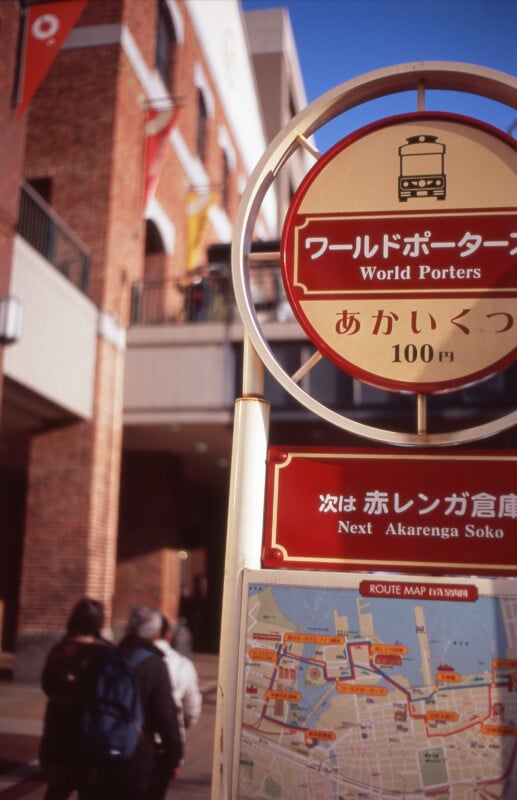
Use whatever autofocus motor is capable of driving focus, and don’t be too worried about getting maximum speed. Maintain the ability to manually focus for those who want that experience, and build the best autofocus system possible. Photographers would have to be told of the limitations, of course, but having some autofocus would certainly be better than having none.
This Heritage Series would then be a perfect pairing with Nikon’s Zf camera, which currently doesn’t have many optics that have the same vintage design as the camera body. Having a set of primes that maintain a classic look and feel would, I am sure, encourage further sales of its vintage-inspired camera and wouldn’t preclude someone from using them on more modern cameras like the Z5 or Z8.

While they would undoubtedly have a much smaller audience due to lacking autofocus, there is still a reason to simply re-release these lenses with modern, updated housings and the Z-mount, with the interior of the lens remaining unchanged from those classic designs.
Filmmakers already love using old Nikon F glass, and re-releasing an option in native Z mount would immediately serve both RED users and Nikon videographers, a segment that cares less about autofocus than photographers. But at the same time, there is still something special about manual focus photography, and I am sure there are many who would love to fit a classic Nikon lens on their Z-mount cameras.

One question I am sure this brings up is, “Why do this if pre-owned options are so plentiful?” Two reasons. One, those vintage options are aging, and the existence of fungus, haze, and other imperfections is only increasing as time goes on. While there are many on the market, scant few will be in excellent condition. And while, yes, you can adapt, there is something special about being able to release a lens today that will work natively on Z mount and transmit EXIF data.
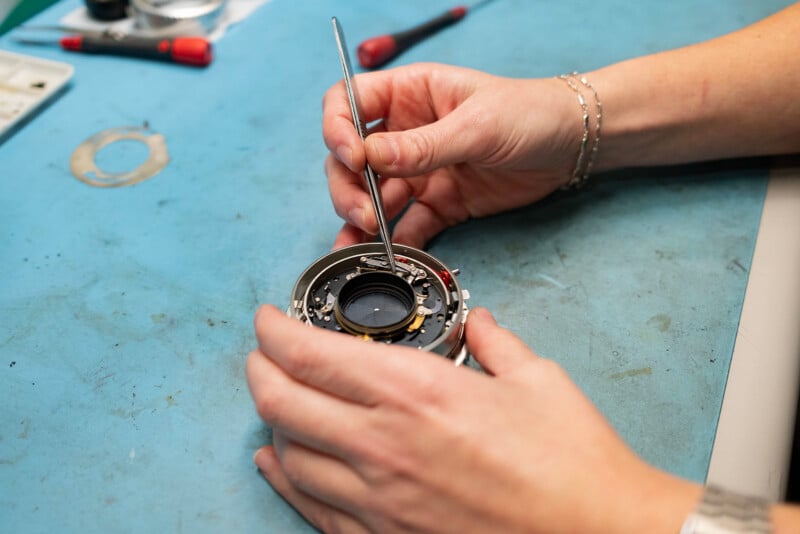
The second reason is service and warranty. Nikon no longer services these classic film lenses, and the only place that they can be repaired or cleaned is either at home or through organizations like KEH. There is value in new releases, even if they are largely the same as decades-old lenses.
The photography industry is in the perfect place today for a release like this. New photographers are flocking to analog because it flies in the face of the AI slop being forced down our throats by corporations and because the clinically perfect lenses made by every brand right now are just boring.

Photographers now really like having a mix of options: some that allow professionals to deliver a flawless shot and some that give them the ability to play and experiment. It’s why you’ll see photographers adapting old glass to modern cameras, free-lensing, or using prisms: flawed is beautiful.
Nikon isn’t the only company that can do this, either. Canon has a wealth of classic designs it could re-release, but given the company isn’t particularly interested in making vintage cameras for vintage’s sake, I don’t get the sense it has any desire to bring up its past. Canon’s leadership feels squarely focused on the future.
With that in mind, Nikon feels somewhat uniquely positioned. It clearly has a deep love for its past — The Thousand and One Nights blog is clear evidence of this — and it has already shown a willingness to play with designs that link back with that heritage.
Even if this was a limited release, I think a Heritage Series would be beloved. Every time I get a chance to use these classic lenses, I feel something. Being able to share that with more photographers is really important. Nikon could make it happen.
Image credits: Header image made with images via Nikon The Thousand and One Nights
此内容由惯性聚合(RSS阅读器)自动聚合整理,仅供阅读参考。 原文来自 — 版权归原作者所有。