



惯性聚合 高效追踪和阅读你感兴趣的博客、新闻、科技资讯
阅读原文 在惯性聚合中打开

推荐订阅源

IT之家
IT之家
Microsoft Azure Blog
人人都是产品经理
人人都是产品经理
博客园 - 聂微东
博客园_首页
阮一峰的网络日志
阮一峰的网络日志
V
V2EX
小众软件
小众软件
F
Fortinet All Blogs
Microsoft Security Blog
奇客Solidot–传递最新科技情报
奇客Solidot–传递最新科技情报
H
Hackread – Cybersecurity News, Data Breaches, AI and More
量子位
Google DeepMind News
Jina AI
Jina AI
让小产品的独立变现更简单 - ezindie.com
aimingoo的专栏
aimingoo的专栏
B
Blog RSS Feed
Cyber Security Advisories - MS-ISAC
宝玉的分享
宝玉的分享
有赞技术团队
有赞技术团队
J
Java Code Geeks
WordPress大学
WordPress大学
The Cloudflare Blog

Hacker News: Front Page

SPICE simulation → oscilloscope → verification with Claude Code — Lucas Gerads Introducing Claude Opus 4.7 Qwen Studio The Future of Everything is Lies, I Guess: Where Do We Go From Here? GitHub - SeanFDZ/macmind: Single-layer transformer in HyperTalk for the classic Macintosh Show HN: Agent-cache – Multi-tier LLM/tool/session caching for Valkey and Redis Ancient DNA reveals pervasive directional selection across West Eurasia [pdf] AI cybersecurity is not proof of work Moving a large-scale metrics pipeline from StatsD to OpenTelemetry / Prometheus GitHub - Nightmare-Eclipse/RedSun: The Red Sun vulnerability repository GitHub - SethPyle376/hiraeth: Local AWS emulator focused on fast integration testing, with SQS support, SQLite-backed state, and a debug-friendly web UI. A Better Ludum Dare; Or, How to Ruin a Legacy GitHub - macOS26/Agent: Any AI, replaces Claude Code, Cursor, OpenClaw. Over 18 LLM providers (Claude, OpenAI, Gemini, Ollama, Zai, HF, Qwen) wired into a native Mac app that writes code, builds Xcode projects, bumps versions, manages git, automates Safari, use AppleScript, JS or Accessibility, extend Agent! w/ MCP Servers, run tasks from your iPhone via Messages. YouTube now lets you turn off Shorts I Made a Terminal Pager Burgers | マクドナルド公式 Commands — HackerNews CLI documentation ChatGPT for Excel PiCore - Raspberry Pi Port of Tiny Core Linux Live Nation illegally monopolized ticketing market, jury finds Google Broke Its Promise to Me. Now ICE Has My Data. Founding Engineer at Adaptional | Y Combinator CRISPR takes important step toward silencing Down syndrome’s extra chromosome GitHub - saffron-health/libretto: The AI toolkit for building reliable browser automations US v. Heppner (S.D.N.Y. 2026) no attorney-client privilege for AI chats [pdf] Unexpected €54k billing spike in 13 hours: Firebase browser key without API restrictions used for Gemini requests Fragments: April 14 Cal.com Goes Closed Source: Why AI Security Is Forcing Our Decision | Cal.com - Scheduling Software for Online Bookings Laravel raised money and now injects ads directly into your agent Codex Hacked a Samsung TV
AMD will reinstate memory encryption on Ryzen 9000 CPUs t...
https://www.tomshardware.com/author/jake-roach · 2026-06-20 · via Hacker News: Front Page
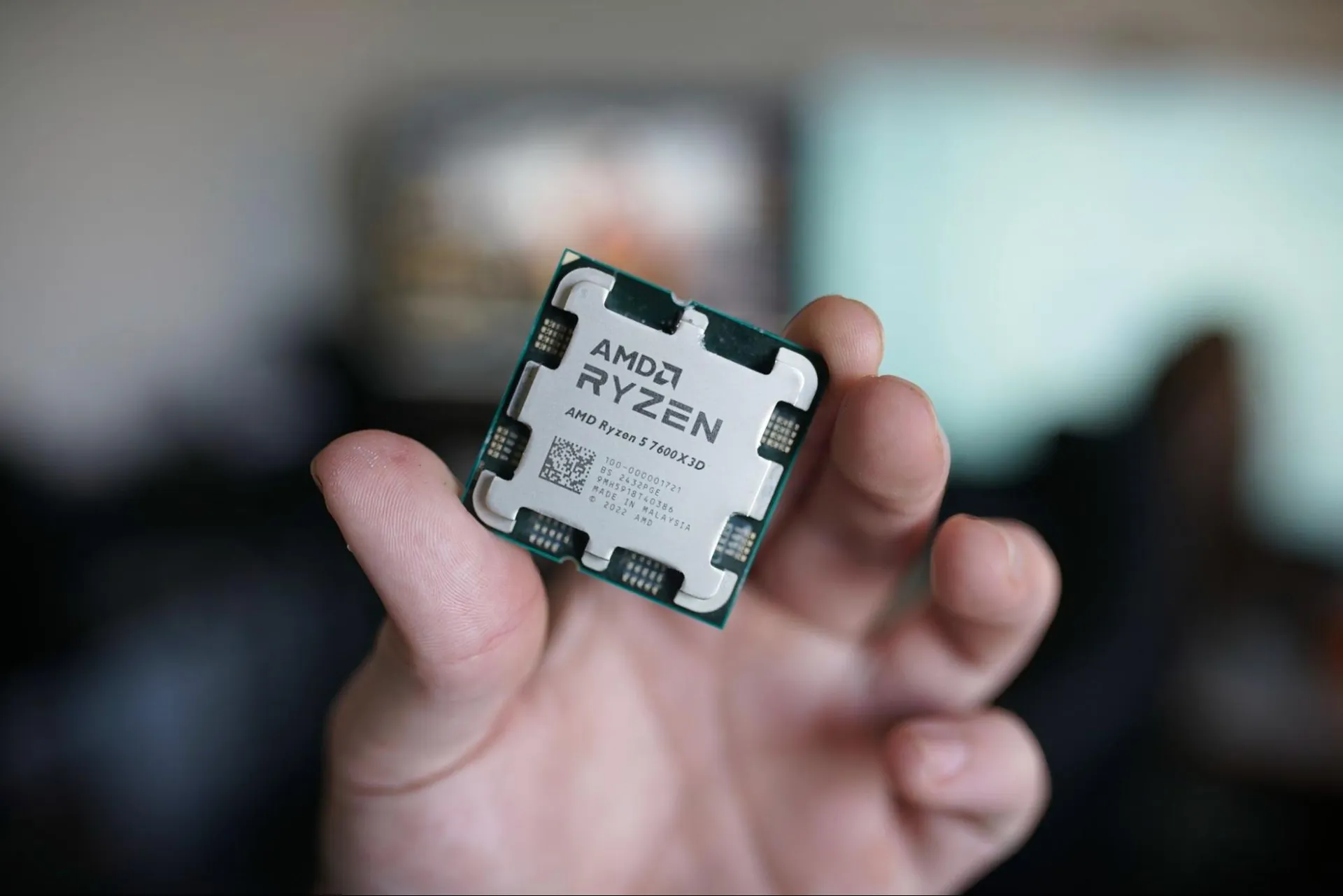
AMD Ryzen 5 7600X3D
(Image credit: Tom's Hardware)

AMD will reinstate Transparent Secure Memory Encryption (TSME) on desktop Ryzen 9000 processors in July. The feature is branded as Memory Guard for AMD's Ryzen PRO lineup, but it's available on non-PRO CPUs, as well. Earlier this year, AMD quietly removed the feature with AGESA 1.2.7.0, which Ars Technica reported on earlier this week. AMD tells Tom's Hardware that it's bringing TSME back to non-PRO Ryzen 9000 chips "based on valuable community feedback."

Go deeper with TH Premium: CPU

TSME is a firmware-level encryption feature for memory. It allows the processor to generate a key in order to encrypt data stored in RAM, serving as a layer of protection against cold boot attacks, where a sudden shutdown can allow a physical attacker to extract sensitive data stored in memory.

According to the Ars Technica report, AMD confirmed TSME support on consumer CPUs as far back as 2020 with the Ryzen 7 3700X. The author of the story, Ben Kilpatrick, discovered TSME's removal after running a security audit on a new machine with the Ryzen 7 9700X. After discovering that TSME was no longer supported, Kilpatrick worked with MSI (his motherboard vendor) to confirm that TSME had previously been supported but was disabled in AGESA 1.2.7.0.

Following the discovery, Kilpatrick raised a bug report on AMD's GitHub repository, where Mario Limonciello, a senior principal software engineer at AMD, eventually responded: “My apologies, but I don’t have any more information to share on this topic."

Without any comment from AMD, it appeared as though the company disabled TSME through firmware on its consumer parts in order to differentiate its PRO lineup. TSME isn't a critical security feature for most consumer desktops, as it protects against attacks where the attacker needs physical access to the device. Still, if it was previously a capability, there's no reason TSME should be disabled through firmware.

Now, AMD has responded to Tom's Hardware with the following statement:

"We take the security of our customers’ data very seriously.

Get Tom's Hardware's best news and in-depth reviews, straight to your inbox.

AMD Memory Guard (Transparent Secure Memory Encryption, or TSME) is a hardware-based memory encryption technology available on our Ryzen PRO desktop and mobile processors where supported in silicon. It is a foundational security feature, and we have no plans to remove support from our Ryzen PRO lineup. This commitment holds now and in the future.

Regarding certain non-PRO Ryzen 9000-series desktop processors, a BIOS option to enable Memory Guard was previously available but was removed in a recent update. Based on valuable community feedback, we will reinstate this option in an upcoming BIOS release in July."

Google Preferred Source

Follow Tom's Hardware on Google News, or add us as a preferred source, to get our latest news, analysis, & reviews in your feeds.

Jake Roach is the Senior CPU Analyst at Tom’s Hardware, writing reviews, news, and features about the latest consumer and workstation processors.