












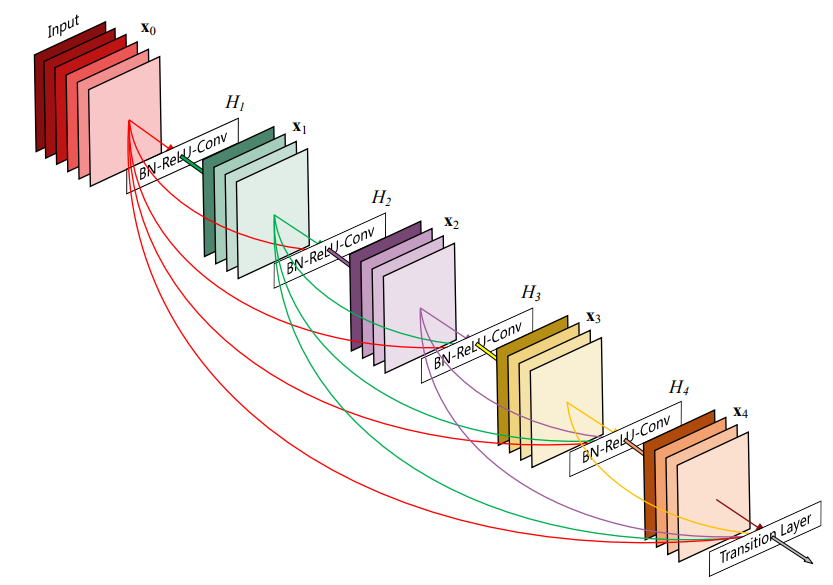
本文来自于CS231N(2017 Spring),将介绍几种较为常见的CNN结构。以下网络均是ImageNet比赛的冠军之作,我们将从网络结构,参数规模,运算量等来描述各个网络的特点。
后续将补充以下几种网络:
以下是正文。
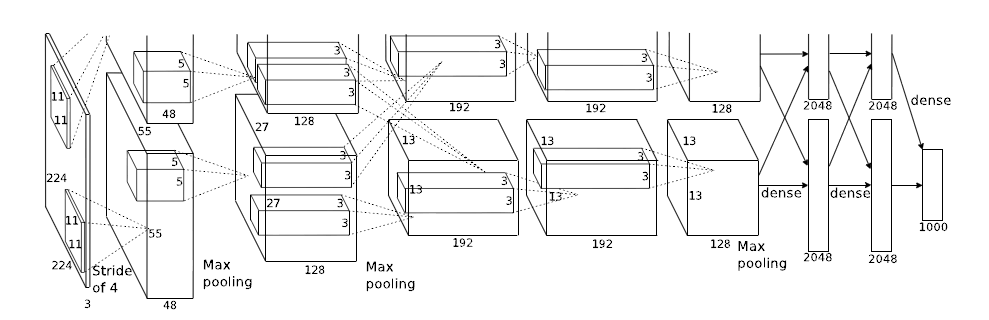 网络的输入大小为:227*227*3,每一层的结构以及参数设置如下:
Layer Type
#Filters
Stride
Pading
OUTPUT SIZE
Parameters
CONV1
#96 @11*11
4
0
55*55*96
11*11*3*96
MAXPOOL1
3*3
2
0
27*27*96
0
NORM1
27*27*96
55*55*96
CONV1
#256 @5*5
1
2
27*27*256
55*55*96
MAXPOOL2
3*3
2
0
13*13*256
55*55*96
NORM2
13*13*256
55*55*96
CONV3
#384 @3*3
1
1
13*13*384
55*55*96
CONV4
#384 @3*3
1
1
13*13*384
55*55*96
CONV5
#256 @3*3
1
1
13*13*256
55*55*96
MAXPOOL3
3*3
2
0
6*6*256
55*55*96
FC6
4096
55*55*96
FC7
4096
55*55*96
FC8
1000
55*55*96
The size of output image is
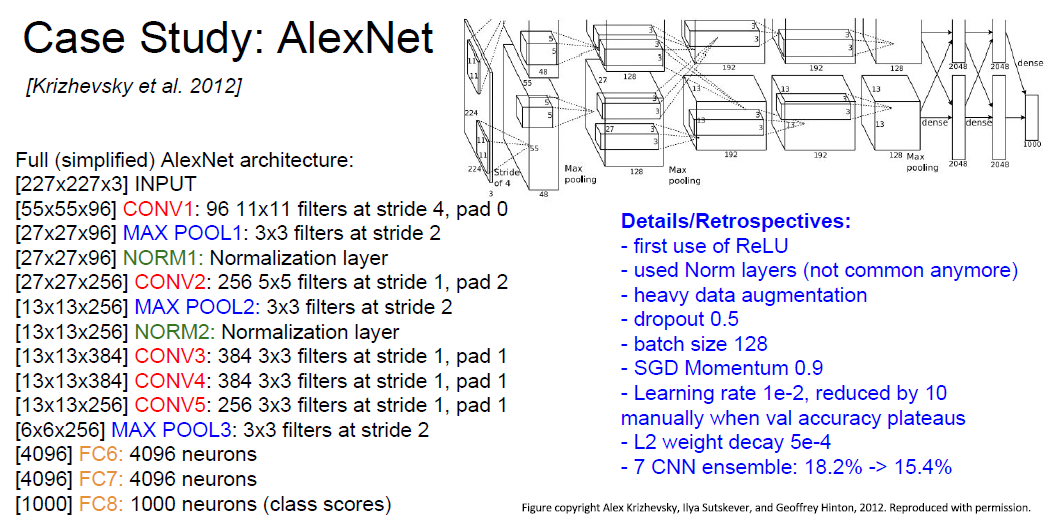
AlexNet-details
后续将使用Matlab DL 工具包补充Alexnet实验…
The winner of ImageNet Large Scale Visual Recognition Challenge (ILSVRC) 2014. ### 网络结构 small filters, deeper networks。 将原来8层的AlexNet扩展到了16&19层。卷积层的大小仅仅有3*3,stride=1,pad=1;池化层仅仅有stride=2的2*2的MAXPOOL。以下是其与AlexNet的结构对比图。 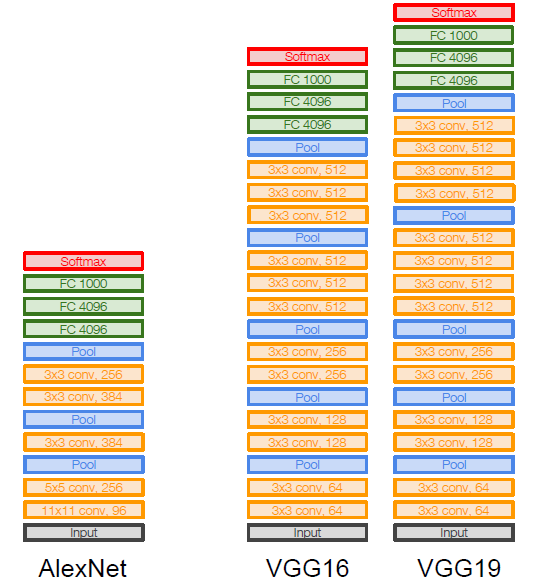
更加具体的,VGG16的网络的参数个数以及内存消耗如下: 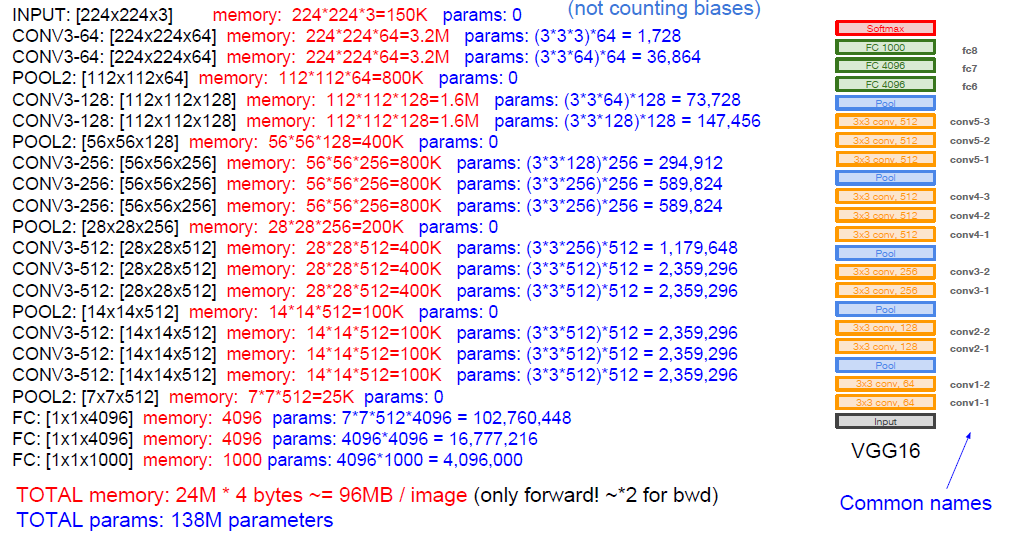
Q:为何采用更小的CONV? A:几个3*3的CONV叠加后的接受域和一个7*7大小的CONV的接受域一致,但是与此同时,网络层数变深,引入了更多的非线性,参数数量更少。(Stack of three 3x3 conv (stride 1) layers has same effective receptive field as one 7x7 conv layer,But deeper, more non-linearities. And fewer parameters: vs. for C channels per layer)
Deeper networks, with computational efficiency。GoogLeNet是ILSVRC’14的图像分类冠军网络,它加入了Inception模块,并且去除了全连接层,大大减少了参数的个数。
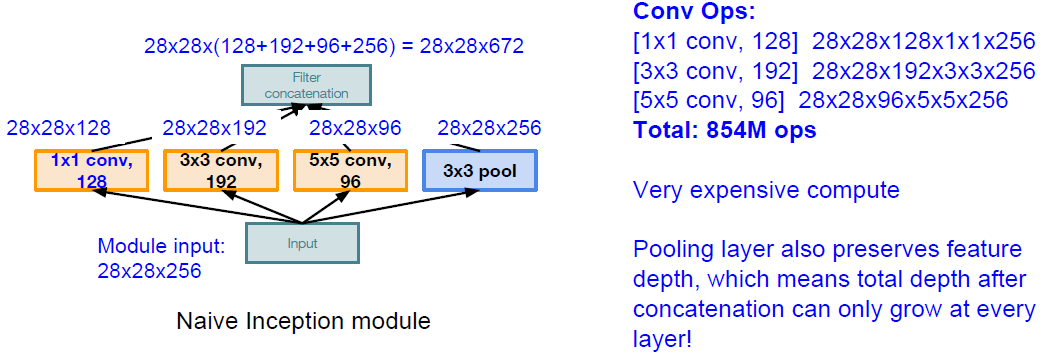
精心设计了一个局部网络模块,并且将这些模块叠加构成GoolgeNet。这种经过精心设计的模块就是Inception。(design a good local network topology (network within a network) and then stack these modules on top of each other)。 Inception包含几个接受域不同的CONV核(1*1,3*3,5*5)以及池化操作(3*3);最终将这些操作后的输出在depth方向串联。以下是两种两种不同的实现方式,左图时原始的inception模块,右图是改进版的inception模块。 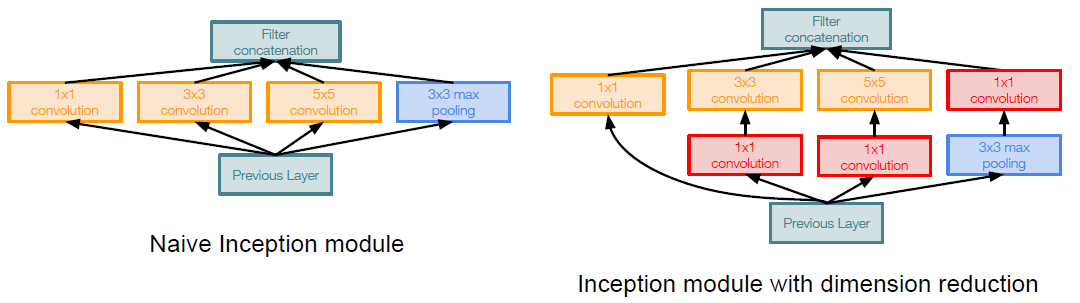 对于naive inception而言,它面临这运算量巨大的问题。由于池化层的输出会保留原始输入的depth,所以经过CONV&MAXPOOL过后的输出的feature map势必比原始输入的depth更深。
  那么如何去解决以上问题呢,一个通常的方式就是降维。我们在每个CONV前加上1*1的CONV(“bottleneck” layers)来减少feature map的维度。所谓的1*1CONV就是在保持输入的空间分辨率不变的情况下来减小depth维度,即通过将不同depth上的feature map进行组合,从而将输入的feature map映射到更低的depth维度上。经过以上操作就可以将运算的操作次数大大降低。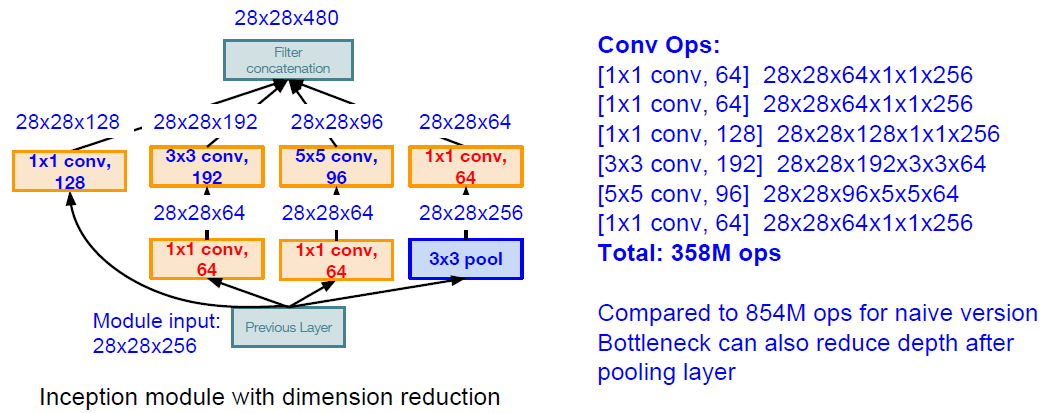
于是GoogLeNet的全貌如下: 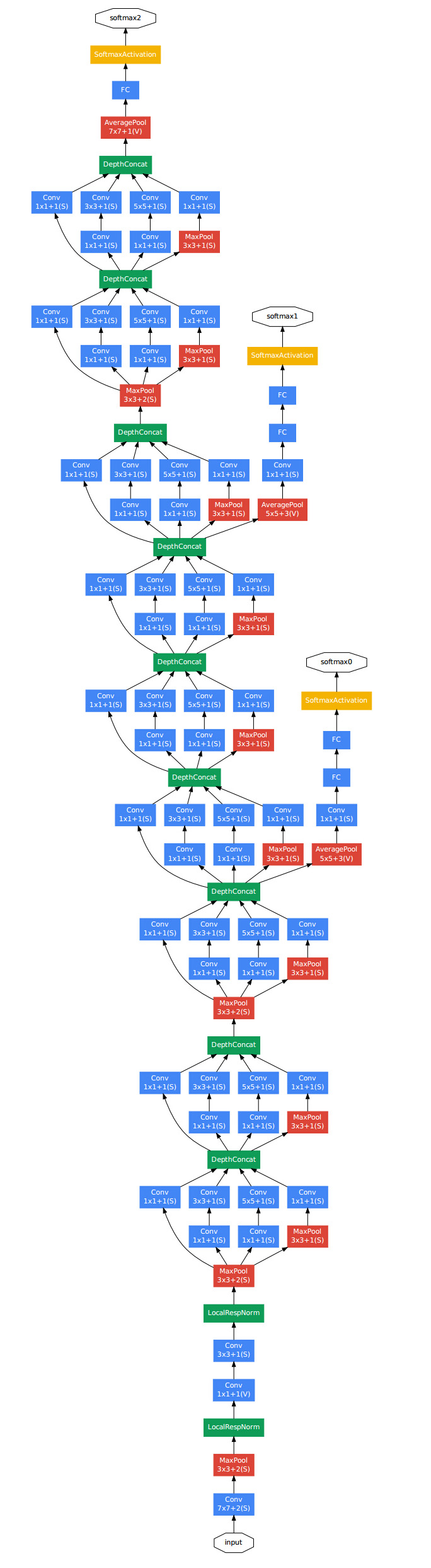
利用残差连接成的超级深网络。 这里有一个何凯明在ICML2016的Tutorial,内容比较详细。ICML 2016 Tutorial on Deep Residual Networks 代码在这里Code: deep-residual-networks
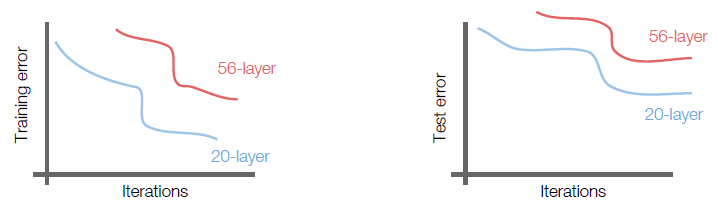 从上图可以发现,当网络层数增加时,训练误差和测试误差都有所下降。这并不符合以往的经验,我们会想,既然网络层数增加了,那么模型参数势必增多,此时会造成过拟合。然而过拟合的表现是:训练误差减小,测试误差增大。但是事实和分析并不吻合。 何凯明认为:The problem is an optimization problem, deeper models are harder to optimize。这是一个优化问题,更深的网络更难优化。并且,更深的网络应该至少比浅层网络不差,这是因为我们可以通过拷贝浅层网络+identity mapping(恒等映射)来构造一个更深的网络,这个结构化的方案表明深层网络可以达到和浅层网络一致的性能。
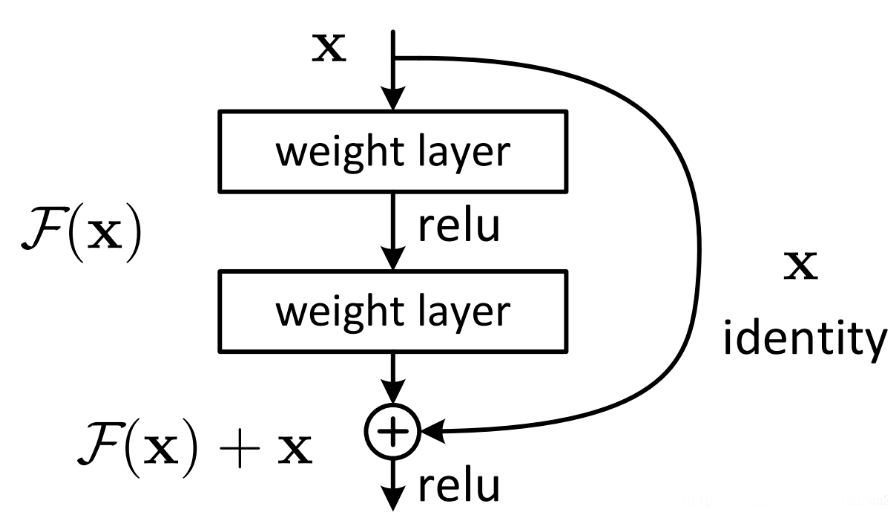 Use network layers to fit a residual mapping instead of directly trying to fit a desired underlying mapping. 作者假设:相较于最优化最初的无参照映射(残差函数以输入x作为参照),最优化残差映射是更容易的。利用网络去拟合残差,并非直接拟合。
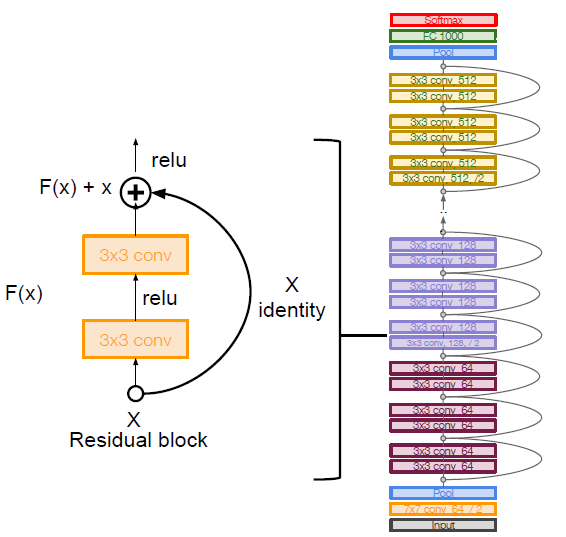
resnet-structure
对于ImageNet比赛而言,ResNet设置的网络深度有34、50、101以及152层。对于层数较多的网络,利用“bottleneck”(类似于GoogLeNet的1*1卷积操作)来提高效率。
论文An Analysis of Deep Neural Network Models for Practical Applications 比较了2016年以来的一些神经网络的规模、运算量、能耗以及精度等项目。 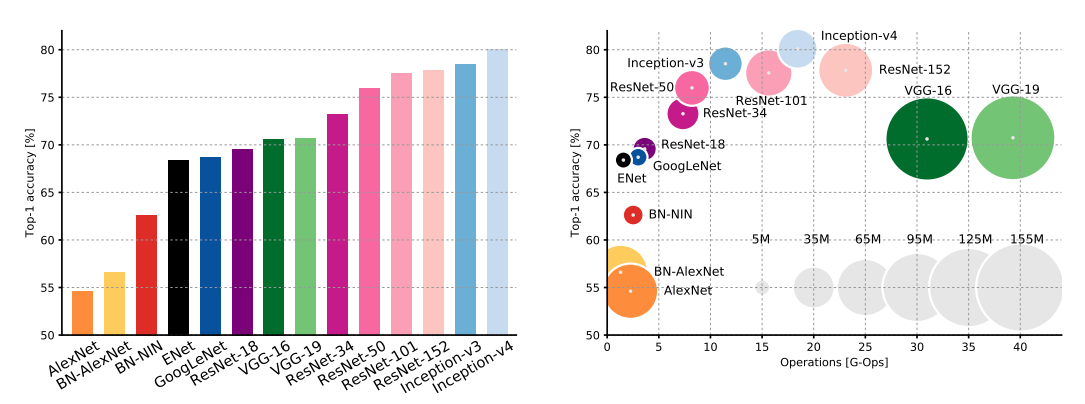 可以从上图总结出以下几点: - GoogLeNet: most efficient - VGG: Highest memory, most operations - AlexNet: Smaller compute, still memory heavy, lower accuracy - ResNet: Moderate efficiency depending on model, highest accuracy
后续补充。
此内容由惯性聚合(RSS阅读器)自动聚合整理,仅供阅读参考。 原文来自 — 版权归原作者所有。