惯性聚合 高效追踪和阅读你感兴趣的博客、新闻、科技资讯
阅读原文 在惯性聚合中打开

推荐订阅源

AI
AI
Scott Helme
Scott Helme
W
WeLiveSecurity
N
News | PayPal Newsroom
G
GRAHAM CLULEY
SecWiki News
SecWiki News
V2EX - 技术
V2EX - 技术
Security Latest
Security Latest
H
Heimdal Security Blog
L
LINUX DO - 最新话题
Application and Cybersecurity Blog
C
Cyber Attacks, Cyber Crime and Cyber Security
P
Palo Alto Networks Blog
Simon Willison's Weblog
PCI Perspectives
PCI Perspectives
钛媒体:引领未来商业与生活新知
钛媒体:引领未来商业与生活新知
Hugging Face - Blog
Hugging Face - Blog
博客园_首页
Spread Privacy
Spread Privacy
T
Troy Hunt's Blog
V
Vulnerabilities – Threatpost
罗磊的独立博客
C
CXSECURITY Database RSS Feed - CXSecurity.com
宝玉的分享
宝玉的分享
T
The Blog of Author Tim Ferriss
阮一峰的网络日志
阮一峰的网络日志
Martin Fowler
Martin Fowler
The Hacker News
The Hacker News
C
Cisco Blogs
T
Tor Project blog
cs.CV updates on arXiv.org
The Register - Security
Cyber Security Advisories - MS-ISAC
P
Privacy & Cybersecurity Law Blog
奇客Solidot–传递最新科技情报
奇客Solidot–传递最新科技情报
S
Security Affairs
T
Tenable Blog
V
Visual Studio Blog
C
Check Point Blog
Hacker News - Newest:
Hacker News - Newest: "LLM"
CTFtime.org: upcoming CTF events
美团技术团队
月光博客
月光博客
J
Java Code Geeks
量子位
Vercel News
Vercel News
I
Intezer
博客园 - 聂微东
Know Your Adversary
Know Your Adversary
aimingoo的专栏
aimingoo的专栏

Mohuishou

如何实现支持多集群的 Kubernetes Operator? 第三方应用如何调用我们 kubebuilder 生成的自定义资源? Kubernetes 简明教程 k8s job 为何迟迟不能结束? Go 工程化(十一) 如何优雅的写出 repo 层代码 Go 工程化(十) 如何在整洁架构中使用事务? 给博客添加章节目录 使用 Notion Database 管理静态博客文章 一个普通 Go 开发的三年 4. localhost 就一定是 localhost 么? Go可用性(七) 总结: 一张图串联可用性知识点 Go可用性(六) 熔断 10. 总结 9. kubebuilder 进阶: 源码分析 8. kubebuilder 进阶: webhook 7. kubebuilder 进阶: 测试 6. kubebuilder 实战: status & event 5. kubebuilder 实战: CRUD 4. kustomize 简明教程 3. KubeBuilder 简明教程 2. Kind: 如何快速搭建本地 K8s 开发环境? 1. Operator概述: 如何对 Kubernetes 进行扩展 Go可用性(五) 自适应限流 Go可用性(四) 漏桶算法 Go可用性(三) 令牌桶的实现 rate/limt Go可用性(二) 令牌桶原理及使用 Go可用性(一) 隔离设计 Go并发编程(十二) Singleflight Go工程化(九) 项目重构实践 Go工程化(八) 单元测试 Go工程化(七) Go Module Go工程化(六) 配置管理 Go工程化(五) API 设计下: 基于 protobuf 自动生成 gin 代码 Go工程化(四) API 设计上: 项目结构 & 设计 Go工程化(三) 依赖注入框架 wire Go工程化(二) 项目目录结构 Go工程化(一) 架构整洁之道阅读笔记 Go并发编程(十一) 总结 Go并发编程(十) 深入理解 Channel Go并发编程(九) 深入理解 Context Go并发编程(八) 深入理解 sync.Once Go并发编程(七) 深入理解 errgroup Go并发编程(六) 深入理解 WaitGroup Go并发编程(五) 深入理解 sync/atomic Go并发编程(四) 深入理解 Mutex Go并发编程(三) data race Go并发编程(二) Go 内存模型 Go并发编程(一) goroutine Go错误处理最佳实践 微服务(二) 服务发现&多租户 微服务(一) 微服务概览 5. 栈下: 深入理解 defer 4. 栈上: 如何实现一个计算器 Go Struct 初始化风格的抉择 3. 数组下: 使用 GDB 调试 Golang 代码 2. 数组上: 深入理解 slice 1. 链表: 深入理解container/list&LRU缓存的实现 Go设计模式24-总结(更新完毕) Go设计模式23-中介模式 Go设计模式22-解释器模式 Go设计模式21-命令模式 Go设计模式20-备忘录模式 Go设计模式19-访问者模式 Go设计模式18-迭代器模式 Go设计模式17-状态模式 Go设计模式16-职责链模式(Gin的中间件实现) Go设计模式15-策略模式 Go设计模式13-观察者模式(实现简单的EventBus) Go设计模式12-享元模式 Go设计模式11-组合模式 Go设计模式10-门面模式 Go设计模式09-适配器模式 Go设计模式08-装饰器模式 Go设计模式07-桥接模式 Go设计模式06-代理模式(generate实现类似动态代理) Go设计模式05-创建型模式总结 Go设计模式04-原型模式 Go设计模式03-建造者模式 Go设计模式02-工厂模式&DI容器 笔记-让你最快速地改善代码质量的20条编程规范 Go设计模式01-单例模式 一点拙见-如何写好一个技术预研报告? Go Web小技巧(四)在单个仓库中支持多个 go mod 模块 Go Web 小技巧(三)Gin 参数绑定 Go Web 小技巧(二)GORM 使用自定义类型 Go Web 小技巧(一)简化Gin接口代码 善用工具之postman高级用法概述 go generate and ast hexo-next-algolia-search全文搜索 docker镜像瘦身&优化 GORM避坑指南之含关联关系的更新 Github Actions介绍&自动构建Github Pages博客 在blog中内嵌在线PPT 记一次net http内存泄漏 使用TravisCI自动部署Blog 使用Goland调试Go程序 一个十分边缘的gorm的bug Httprouter介绍及源码阅读 Gin源码阅读 从0.1开始
Go模板模式14-模板模式
Mohuishou · 2020-09-23 · via Mohuishou

注:本文已发布超过一年,请注意您所使用工具的相关版本是否适用

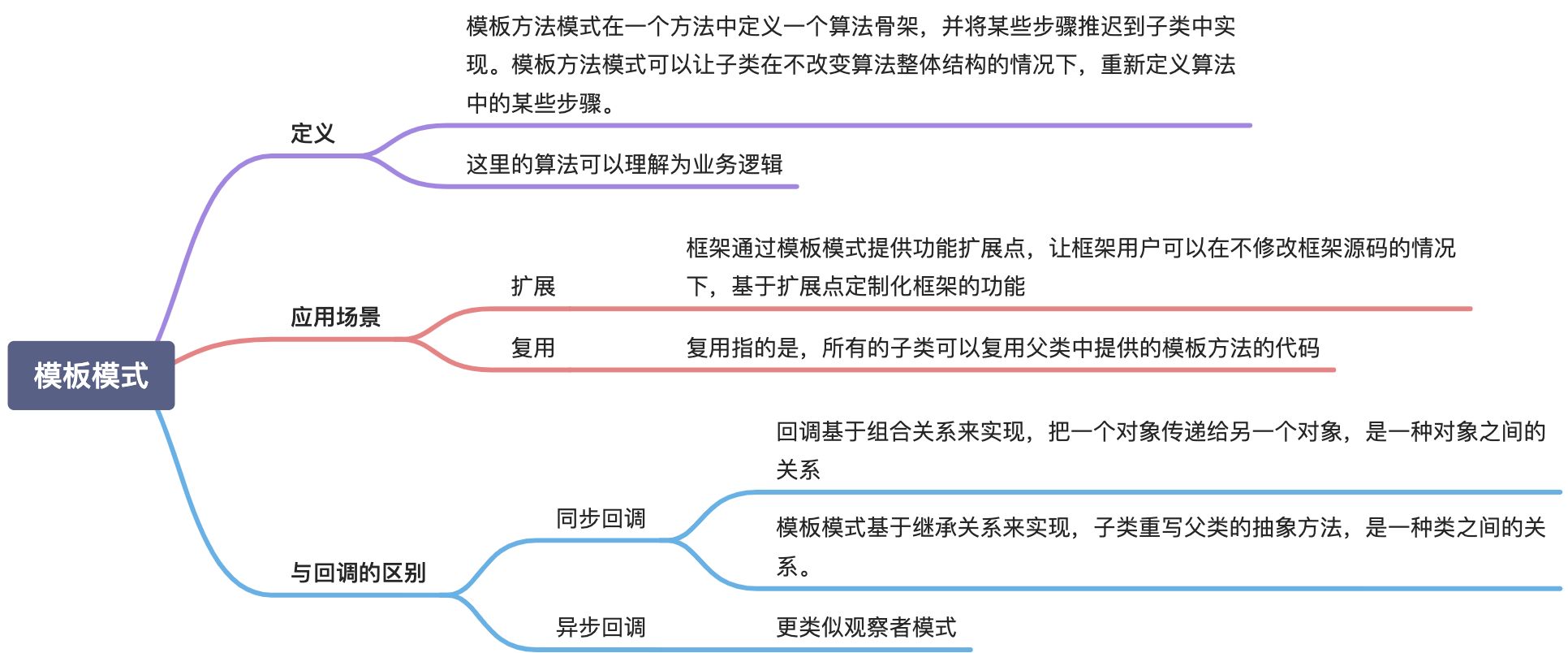
笔记

代码实现

举个 🌰,假设我现在要做一个短信推送的系统,那么需要

  1. 检查短信字数是否超过限制
  2. 检查手机号是否正确
  3. 发送短信
  4. 返回状态

我们可以发现,在发送短信的时候由于不同的供应商调用的接口不同,所以会有一些实现上的差异,但是他的算法(业务逻辑)是固定的

Code

1
2
3
4
5
6
7
8
9
10
11
12
13
14
15
16
17
18
19
20
21
22
23
24
25
26
27
28
29
30
31
32
33
34
35
36
37
38
39
40
41
42
43
44
45
46
47
48
49
50
51
package template

import "fmt"

// ISMS ISMS
type ISMS interface {
send(content string, phone int) error
}

// SMS 短信发送基类
type sms struct {
ISMS
}

// Valid 校验短信字数
func (s *sms) Valid(content string) error {
if len(content) > 63 {
return fmt.Errorf("content is too long")
}
return nil
}

// Send 发送短信
func (s *sms) Send(content string, phone int) error {
if err := s.Valid(content); err != nil {
return err
}

// 调用子类的方法发送短信
return s.send(content, phone)
}

// TelecomSms 走电信通道
type TelecomSms struct {
*sms
}

// NewTelecomSms NewTelecomSms
func NewTelecomSms() *TelecomSms {
tel := &TelecomSms{}
// 这里有点绕,是因为 go 没有继承,用嵌套结构体的方法进行模拟
// 这里将子类作为接口嵌入父类,就可以让父类的模板方法 Send 调用到子类的函数
// 实际使用中,我们并不会这么写,都是采用组合+接口的方式完成类似的功能
tel.sms = &sms{ISMS: tel}
return tel
}

func (tel *TelecomSms) send(content string, phone int) error {
fmt.Println("send by telecom success")
return nil
}

单元测试

1
2
3
4
5
6
7
8
9
10
11
12
13
package template

import (
"testing"

"github.com/stretchr/testify/assert"
)

func Test_sms_Send(t *testing.T) {
tel := NewTelecomSms()
err := tel.Send("test", 1239999)
assert.NoError(t, err)
}

关注我获取更新

猜你喜欢