惯性聚合 高效追踪和阅读你感兴趣的博客、新闻、科技资讯
阅读原文 在惯性聚合中打开

推荐订阅源

Hugging Face - Blog
Hugging Face - Blog
WordPress大学
WordPress大学
Microsoft Azure Blog
F
Fortinet All Blogs
B
Blog RSS Feed
Last Week in AI
Last Week in AI
The Cloudflare Blog
大猫的无限游戏
大猫的无限游戏
人人都是产品经理
人人都是产品经理
P
Proofpoint News Feed
H
Hackread – Cybersecurity News, Data Breaches, AI and More
Microsoft Security Blog
博客园 - 三生石上(FineUI控件)
Y
Y Combinator Blog
GbyAI
GbyAI
奇客Solidot–传递最新科技情报
奇客Solidot–传递最新科技情报
小众软件
小众软件
雷峰网
雷峰网
C
Check Point Blog
阮一峰的网络日志
阮一峰的网络日志
博客园 - 叶小钗
博客园 - 司徒正美
U
Unit 42
量子位

Cybersecurity Dive - Latest News

Dozens of Red Hat npm packages targeted in supply chain attack Turning tension into collaboration: How CIOs and CISOs can lead together Trump signs EO seeking early government access to powerful AI models Anthropic shares Mythos with 150 more organizations, including critical infrastructure operators Without strong governance, companies put credit ratings at risk in AI era CISA adds critical Palo Alto Networks firewall flaw to KEV as company, researchers warn of exploitation How Canva scaled to 260+M users while elevating security and productivity Top 4 data security best practices for the AI-enabled enterprise CISA urges security teams to check for software development compromises How CISOs can manage sovereign-cloud security risks IBM’s new $5B initiative will help enterprises rapidly patch open-source vulnerabilities Enterprise data is creeping its way into shadow AI tools Coordinated operation takes down Glassworm botnet Leading AI models are more vulnerable to malicious prompts than vendors claim FBI warns about PhaaS platform used to access Microsoft 365 environments Iran-linked hackers target key US, allied sectors with sophisticated spear-phishing messages New York regulator calls for additional cyber mitigation amid heightened threat environment CISA asks cybersecurity community to alert it to vulnerability exploitation Grafana Labs links GitHub environment breach to TanStack npm supply chain attack 7-Eleven hit by data breach Microsoft disrupts cybercrime operation that hid behind legitimate software Compromised coding tool helped hackers breach thousands of GitHub repositories Telecom sector launches its own private ISAC Patch bypass allows hackers to exploit prior flaw in SonicWall SSL-VPN Grafana Labs says hacker gained access to codebase through leaked token How a government contest launched a revolution in AI-based bug hunting Attackers exploit critical flaw in Cisco Catalyst SD-WAN Controller MSPs need AI to fight AI-fueled cyberthreats: Guardz More money is going to physical security, but it’s often CISOs that oversee it: EY Frontier AI models reap rapid discovery of security vulnerabilities
Iranian government, not hacktivist group, breached LA Met...
Eric Geller · 2026-05-26 · via Cybersecurity Dive - Latest News

An article from site logo

Dive Brief

A report by Israel-based Gambit Security dismisses the hackers’ claims of being patriotic but unaffiliated activists.

Published May 26, 2026

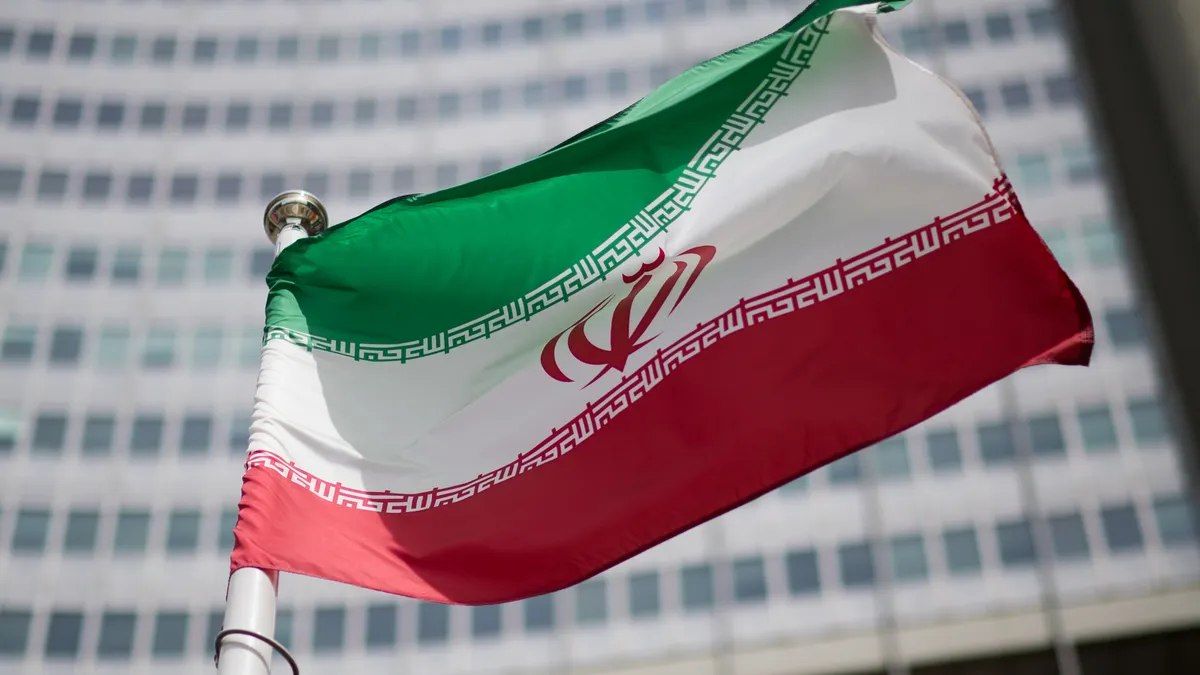
An Iranian flag flutters in front of a building with many windows

The flag of Iran is seen in front of the building of the International Atomic Energy Agency (IAEA) headquarters on May 24, 2021, in Vienna, Austria. Michael Gruber via Getty Images

Dive Brief:

  • Iranian government-linked hackers sabotaged the computer infrastructure of Los Angeles’s transit system by using access to a virtual machine to delete critical operating-system data, the Israeli cybersecurity firm Gambit Security said in a report published on Tuesday.
  • The same threat actor also conducted data-wiping attacks on the South Florida Regional Transportation Authority, the connected-vehicle technology firm Agnik and a Saudi Arabian construction company that handles critical infrastructure projects, according to the report.
  • Gambit dismissed the hackers’ claims of being a new pro-Iranian hacktivist gang, instead attributing their operations to Black Shadow, a group that the Israeli government and private security firms have linked to Iran’s Ministry of Intelligence and Security.

Dive Insight:

The U.S.-Israeli war against Iran has emboldened Tehran’s hackers to pursue cyberattacks against critical infrastructure in the U.S. and other Western countries, leading to a series of breaches at infrastructure operators. That has included water and energy utilities, as federal agencies previously warned, but also transportation systems such as those in Los Angeles and southern Florida.

At Agnik, the Iran-linked hackers used Python scripts to delete operating-system folders, databases and backup files for the company’s Vyncs car GPS tracker service. Agnik shut down the service and worked with the FBI to investigate the intrusion, the company said in a summary of the April 2 attack. Agnik downplayed the hackers’ damage, saying, “Other than some small amount of data for [a] short period of time, we did not permanently lose any significant amount of data.”

The hackers used ChatGPT to improve their Python scripts, according to Gambit’s analysis of a video that the group released. “We assume the actor asked for help filtering out SQL Server system databases from the enumeration so that DROP DATABASE would target only user databases,” the security firm said.

By accessing the hackers’ staging infrastructure, Gambit was able to identify additional victims, including an Israeli media company, an Israeli university and a Turkish insurance firm. The hackers stole data from these organizations but did not wipe any of their servers, Gambit said.