



惯性聚合 高效追踪和阅读你感兴趣的博客、新闻、科技资讯
阅读原文 在惯性聚合中打开

推荐订阅源

U
Unit 42
N
News and Events Feed by Topic
S
Schneier on Security
G
GRAHAM CLULEY
Scott Helme
Scott Helme
钛媒体:引领未来商业与生活新知
钛媒体:引领未来商业与生活新知
让小产品的独立变现更简单 - ezindie.com
GbyAI
GbyAI
OSCHINA 社区最新新闻
OSCHINA 社区最新新闻
C
CERT Recently Published Vulnerability Notes
T
The Exploit Database - CXSecurity.com
C
Cisco Blogs
T
The Blog of Author Tim Ferriss
Cisco Talos Blog
Cisco Talos Blog
P
Privacy & Cybersecurity Law Blog
K
KPMG report finds enterprise disconnect between AI and its ROI | CIO
博客园 - 司徒正美
Blog — PlanetScale
Blog — PlanetScale
Project Zero
Project Zero
MyScale Blog
MyScale Blog
Recent Commits to openclaw:main
Apple Machine Learning Research
小众软件
小众软件
The Last Watchdog
The Last Watchdog
Vercel News
Vercel News
The Cloudflare Blog
C
Check Point Blog
Help Net Security
Help Net Security
Microsoft Security Blog
AI
AI
Simon Willison's Weblog
云风的 BLOG
云风的 BLOG
M
MIT News - Artificial intelligence
Stack Overflow Blog
Stack Overflow Blog
腾讯CDC
NISL@THU
NISL@THU
S
Security @ Cisco Blogs
CTFtime.org: upcoming CTF events
S
SegmentFault 最新的问题
MongoDB | Blog
MongoDB | Blog
C
CXSECURITY Database RSS Feed - CXSecurity.com
T
Threatpost
AWS News Blog
AWS News Blog
Cloudbric
Cloudbric
N
News and Events Feed by Topic
PCI Perspectives
PCI Perspectives
S
Securelist
Cyber Security Advisories - MS-ISAC
V
Vulnerabilities – Threatpost
S
Secure Thoughts

Opinion, Editorial, Views, Columnists, Columns | The HinduBusinessLine

Rupee can’t be defended from just one side Railways’ performance Why not have a women-only party? Labour pangs Pak’s peculiar comeback on the global stage Letters to Editor India has jobs, but it needs better ones Cross-border insolvency laws and trade A major health challenge Editorial. Snooping around Letters to the Editor dated April 20, 2026 All you want to know about the women’s reservation and delimitation bills fiasco Editorial. Process deficit Letters to the Editor dated April 19, 2026 WPI effect on new GDP series The tragic reality of police brutality India’s AI value paradox Prepare the ground India-Korea economic ties poised to strengthen Nari Shakti Bill — a missed opportunity Natural farming should become mainstream policy Insights from new GDP data Strategies to enhance fertilizer security Pathway to maritime insurance sovereignty Why the GoP’s jittery Clear the smoke Aiding piped gas push Stocks are the least over-priced asset in India Is TCS harassment case tip of the iceberg? SIP with caution Global gold ETFs post worst-ever $12 billion monthly outflow: WGC How India is funding Silicon Valley’s rise Cyber insecurity Continuity via status quo Iran war, a boon for the BRICS Assessing the easing of provisioning norms by RBI Iran war, a test for India’s economic resilience Iran war’s impact on India’s farm output and food inflation Economic competence in judiciary Pressure point India moving up the pharma value chain NFRA’s statutory leap Finance capital in time of war How West-Asia war could reshape the AI race When signals diverge: Reading the Nifty-Gold ratio Mohali’s miracle boys Plastic concerns Nice countries come last Lawyers matter more than ever for corporates Odisha central to our aluminium ambitions Editorial. Fair deal Editorial. Wait and watch Letters to the Editor dated April 10, 2026 Unfortunate fallout of cyber crime investigations Letters to the Editor dated April 9, 2026 Will the uneasy truce hold? Charting an intellectually honest way of forecasting RBI plumps for caution amidst uncertainty Large corporates and the sustainability transition of MSMEs MPC positive, despite strong headwinds Cease and desist Together, let us empower our Nari Shakti An AI model that’s too risky NPS funds consistency check: what 10-year rolling returns reveal Editorial. Nuclear milestone Letters to the Editor dated April 7, 2026 Packaging woes China’s perennial industrial policy Sensex has fallen on account of global forces India’s strategic defiance at the WTO meet Freebies will hit Tamil Nadu’s fiscal health Close the backdoor in tobacco FDI policy Is EU’s CBAM discriminatory? Editorial. Freebies unplugged Letters to the Editor dated April 6, 2026 Projecting growth is not easy Improving safety in Indian aviation Amendments to FCRA India’s outreach to Angola will contain energy risk Oil shocks and the rupee: The tricky 100s Sensex at 40: Secrets behind long-term wealth in markets Editorial. Sweeping powers India’s next social protection is care, not cash In West Asia, it is advantage China Is awarding Trump a Nobel Prize the best bet for peace? Editorial. Knotty regulations Letters to the Editor dated April 3, 2026 Time to push for rupee internationalisation Up in the air Time for industry to lead economic resilience Allied healthcare needs attention What holds back investor participation? Still no endgame in sight Challenging year What happens when CAD rises Reorienting farm research Telecom infra must rest on strong fibre network A severe test for monetary policy India’s chance in supply chain reset Bengaluru’s housing market is growing but affordability is shrinking
West Asia crisis intensifies cost and supply risks
By K Ravichandran · 2026-05-30 · via Opinion, Editorial, Views, Columnists, Columns | The HinduBusinessLine
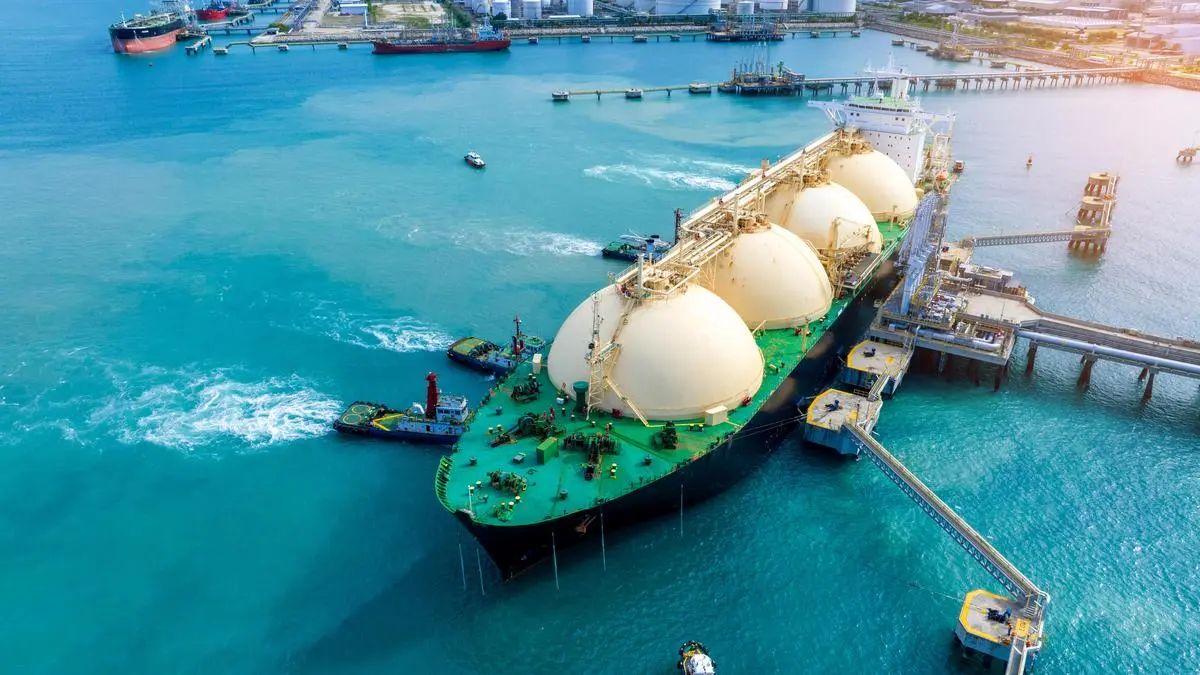
Energy: Supply disruptions

Energy: Supply disruptions | Photo Credit: Suphanat Khumsap

Three months into the West Asia conflict, the geopolitical tensions are exerting a deeper influence on India’s economy. The disruption imposed by higher commodity prices, elevated freight costs and supply chain bottlenecks are gradually influencing demand patterns and balance sheet resilience across sectors. A differentiated impact is emerging, depending on sectoral linkages to energy costs, global trade, and discretionary consumption.

Sectors hit

Energy-intensive industries such as aviation, refining, fertilisers, and chemicals face the most pronounced challenges due to elevated input costs and operational disruptions. Aviation is under significant stress due to high aviation turbine fuel (ATF) prices, airspace restrictions and weak demand. Limited fare pass-through, currency depreciation and rerouting inefficiencies will bloat losses in FY2027.

Crude and Liquefied Petroleum Gas (LPG) disruptions, along with elevated prices, are widening under-recoveries and working capital requirements for the Refining & Marketing players, weighing heavily on profitability despite sourcing from alternate geographies. On the City Gas Distribution (CGD) side, high Liquefied Natural Gas (LNG) prices and limited pass-through are compressing margins, especially in industrial and commercial Piped Natural Gas (PNG) and Compressed Natural Gas (CNG) segments, while PNG (domestic) segment remains relatively insulated.

Raw material disruptions for key feedstocks, are constraining production for select chemicals and petrochemicals players. Limited pricing flexibility is compressing sales and margins across segments. Pressingly, elevated input costs and supply constraints in ammonia and sulphur are pressuring margins in the fertiliser sector, particularly for non-urea players, despite policy support mechanisms.

Additionally, ceramic tile exporters are faced with pressure from elevated gas and fuel costs, straining revenues and compressing margins. Our channel checks suggest that smaller players are more exposed given their higher dependence on exports and weaker ability to absorb cost shocks. Domestic demand remains steady; however, exports to West Asia (~20% share) have been impacted, leading to a disproportionate effect on Morbi-based ceramic players given their higher reliance on overseas markets.

Elevated gold prices and duty hikes impose challenges for jewellery retail, moderating volumes and raising working capital needs despite stable supply and effective cost pass-through. While Cut and Polished Diamonds (CPD) face risks of potential supply chain disruptions, diversified sourcing and low logistics intensity help limit the overall impact.

Moderate headwinds

Several consumption-driven and export-oriented sectors are experiencing moderate headwinds through cost pressures and demand sensitivity. For instance, cement firms face margin pressure from higher input costs, including petcoke and diesel. Limited pricing flexibility is likely to result in lower Operating Profit before Interest, Tax, Depreciation and Amortisation (OPBITDA) per tonne despite demand support.

Further, auto component players face moderate pressure from elevated raw material and fuel costs, though supply chains remain stable. Partial, lagged pass-through is leading to mild margin compression, while demand remains resilient despite risks from inflation and export softness. Tyre manufacturers face margin pressure from rising crude-linked inputs and limited pricing flexibility, alongside export disruptions and currency-related cost pressures.

For Automobile Original Equipment Manufacturers (OEM), elevated commodity, freight and fuel costs will weaken margins, with pass-through remaining calibrated amid demand sensitivity in mass-market segments. While supply chains are broadly stable, any prolonged disruption could weigh on production planning and affordability-led demand, especially in two-wheelers. While demand remains stable for commercial vehicles, higher fuel costs pose downside risks. Input cost pressures persist, but partial price hikes and stable supply chains support near-term profitability.

Additionally, quick Service Restaurants (QSR) operators face moderate disruption from LPG shortages, affecting operations. Moreover, rising costs and weak discretionary demand could pressure sales and margins ahead.

While we are watchful of the evolving situation, other sectors appear relatively less affected at present. Hospitality, pharmaceuticals, non-ferrous metals, textiles and cotton spinning remain relatively insulated, supported by diversified supply chains, captive availability of raw materials, domestic demand stability, or favourable pricing dynamics.

Credit stress

Nevertheless, the outlook is complicated by the sensitivity of financial sector profitability to asset quality. Rising economic stress could increase non-performing assets, especially in MSMEs and unsecured loans, amplifying the impact on bank profitability and credit growth.

In this challenging backdrop, we expect a significant moderation in the credit ratio, which is the ratio of rating upgrades to downgrades, in the current fiscal for India Inc, after buoyancy in the past 3-4 years.

The writer is Chief Rating Officer, ICRA

Published on May 30, 2026