
惯性聚合 高效追踪和阅读你感兴趣的博客、新闻、科技资讯
阅读原文 在惯性聚合中打开

推荐订阅源

B
Blog
Blog — PlanetScale
Blog — PlanetScale
酷 壳 – CoolShell
酷 壳 – CoolShell
GbyAI
GbyAI
M
MIT News - Artificial intelligence
T
Tailwind CSS Blog
OSCHINA 社区最新新闻
OSCHINA 社区最新新闻
博客园 - 聂微东
C
Check Point Blog
云风的 BLOG
云风的 BLOG
aimingoo的专栏
aimingoo的专栏
V
Visual Studio Blog
U
Unit 42
Microsoft Azure Blog
Spread Privacy
Spread Privacy
博客园 - Franky
Vercel News
Vercel News
月光博客
月光博客
罗磊的独立博客
博客园 - 叶小钗
腾讯CDC
A
About on SuperTechFans
P
Privacy International News Feed
V
V2EX
L
LINUX DO - 最新话题
K
Kaspersky official blog
P
Privacy & Cybersecurity Law Blog
D
DataBreaches.Net
D
Darknet – Hacking Tools, Hacker News & Cyber Security
有赞技术团队
有赞技术团队
Threat Intelligence Blog | Flashpoint
Stack Overflow Blog
Stack Overflow Blog
T
Tor Project blog
MyScale Blog
MyScale Blog
Y
Y Combinator Blog
G
GRAHAM CLULEY
V
Vulnerabilities – Threatpost
Recorded Future
Recorded Future
大猫的无限游戏
大猫的无限游戏
P
Proofpoint News Feed
L
LangChain Blog
C
Cyber Attacks, Cyber Crime and Cyber Security
雷峰网
雷峰网
Project Zero
Project Zero
G
Google Developers Blog
博客园 - 【当耐特】
C
Cisco Blogs
Cisco Talos Blog
Cisco Talos Blog
C
CXSECURITY Database RSS Feed - CXSecurity.com
The GitHub Blog
The GitHub Blog

Opinion, Editorial, Views, Columnists, Columns | The HinduBusinessLine

Rupee can’t be defended from just one side Railways’ performance Why not have a women-only party? Labour pangs Pak’s peculiar comeback on the global stage Letters to Editor India has jobs, but it needs better ones Cross-border insolvency laws and trade A major health challenge Editorial. Snooping around Letters to the Editor dated April 20, 2026 All you want to know about the women’s reservation and delimitation bills fiasco Editorial. Process deficit Letters to the Editor dated April 19, 2026 WPI effect on new GDP series The tragic reality of police brutality India’s AI value paradox Prepare the ground India-Korea economic ties poised to strengthen Nari Shakti Bill — a missed opportunity Natural farming should become mainstream policy Insights from new GDP data Strategies to enhance fertilizer security Pathway to maritime insurance sovereignty Why the GoP’s jittery Clear the smoke Aiding piped gas push Stocks are the least over-priced asset in India Is TCS harassment case tip of the iceberg? SIP with caution Global gold ETFs post worst-ever $12 billion monthly outflow: WGC How India is funding Silicon Valley’s rise Cyber insecurity Continuity via status quo Iran war, a boon for the BRICS Assessing the easing of provisioning norms by RBI Iran war, a test for India’s economic resilience Iran war’s impact on India’s farm output and food inflation Economic competence in judiciary Pressure point India moving up the pharma value chain NFRA’s statutory leap Finance capital in time of war How West-Asia war could reshape the AI race When signals diverge: Reading the Nifty-Gold ratio Mohali’s miracle boys Plastic concerns Nice countries come last Lawyers matter more than ever for corporates Odisha central to our aluminium ambitions Editorial. Fair deal Editorial. Wait and watch Letters to the Editor dated April 10, 2026 Unfortunate fallout of cyber crime investigations Letters to the Editor dated April 9, 2026 Will the uneasy truce hold? Charting an intellectually honest way of forecasting RBI plumps for caution amidst uncertainty Large corporates and the sustainability transition of MSMEs MPC positive, despite strong headwinds Cease and desist Together, let us empower our Nari Shakti An AI model that’s too risky NPS funds consistency check: what 10-year rolling returns reveal Editorial. Nuclear milestone Letters to the Editor dated April 7, 2026 Packaging woes China’s perennial industrial policy Sensex has fallen on account of global forces India’s strategic defiance at the WTO meet Freebies will hit Tamil Nadu’s fiscal health Close the backdoor in tobacco FDI policy Is EU’s CBAM discriminatory? Editorial. Freebies unplugged Letters to the Editor dated April 6, 2026 Projecting growth is not easy Improving safety in Indian aviation Amendments to FCRA India’s outreach to Angola will contain energy risk Oil shocks and the rupee: The tricky 100s Sensex at 40: Secrets behind long-term wealth in markets Editorial. Sweeping powers India’s next social protection is care, not cash In West Asia, it is advantage China Is awarding Trump a Nobel Prize the best bet for peace? Editorial. Knotty regulations Letters to the Editor dated April 3, 2026 Time to push for rupee internationalisation Up in the air Time for industry to lead economic resilience Allied healthcare needs attention What holds back investor participation? Still no endgame in sight Challenging year What happens when CAD rises Reorienting farm research Telecom infra must rest on strong fibre network A severe test for monetary policy India’s chance in supply chain reset Bengaluru’s housing market is growing but affordability is shrinking
Editorial. Misreading markets
2026-04-23 · via Opinion, Editorial, Views, Columnists, Columns | The HinduBusinessLine
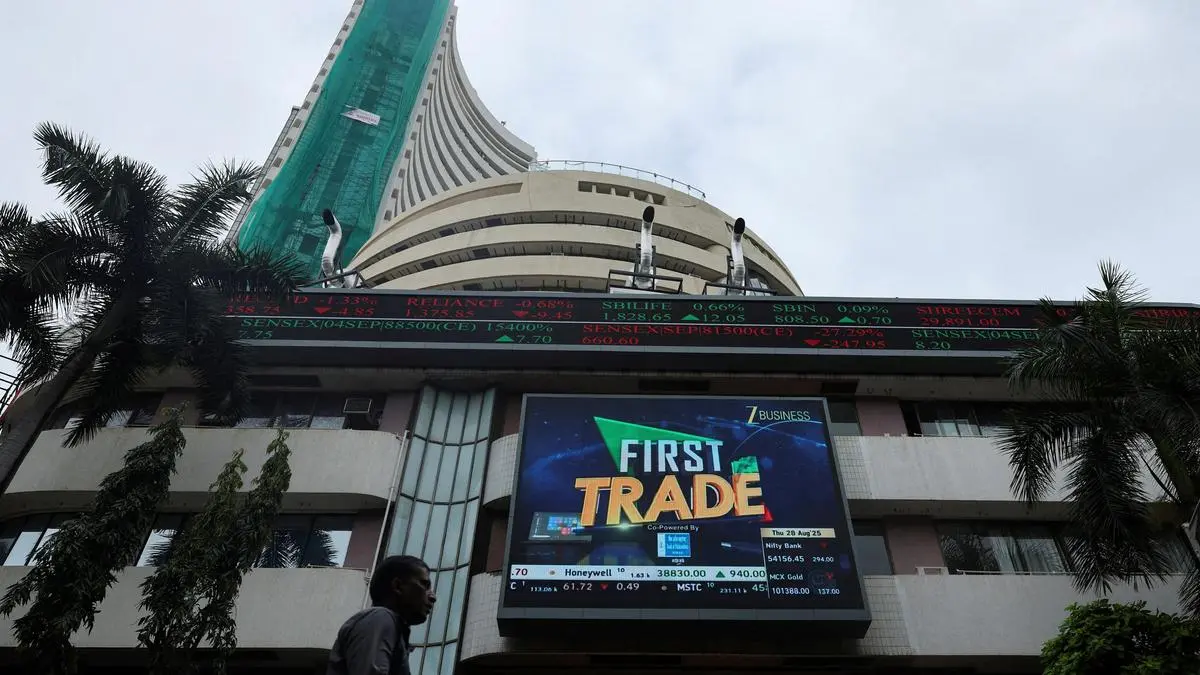
Fund raising has been impacted in the markets

Fund raising has been impacted in the markets | Photo Credit: FRANCIS MASCARENHAS

A decline in stock prices since the start of this calendar year has impacted primary market fundraising. In the first quarter of 2026, average funds raised per month through initial public offerings on the mainboard of the exchanges was just ₹5,610 crore; this was against average monthly fundraising of ₹31,757 crore in the last quarter of 2025. Primary offerings on the SME platform mirror this trend. However, this is more in the nature of a welcome market correction. Yet, the Securities and Exchange Board of India seems to have taken a different view. Perhaps persuaded by the impact of the Iran war on fund-raising, it has relaxed norms for companies making initial public offerings in the coming months.

Primary markets — which typically go through phases when issuances flood the market, followed by those when offerings dry up — have been hyperactive and frothy over the last two years. These cycles are influenced by the requirements of the promoters, demand from investors and the valuations being given to issues by the market. The total number of IPOs on the mainboard and the SME platform were 375 and 336 in calendar year 2025 and 2024 respectively. This is more than twice the average of 126 IPOs per year in the preceding five years. Funds raised have also been quite high, around ₹1.9 lakh crore each in 2024 and 2025. With the market regulator clamping down on equity derivatives trading to check speculation, many retail investors seem to have shifted to primary markets. The share of IPO allocations to retail investors increased to 23 per cent in FY26 from 19 per cent in FY25. The share of institutional investors declined by 5 percentage points in this period. Primary issuances are risky for retail investors, since companies here usually do not have a known track record.

The current downtrend is not an adverse development. However, the Securities and Exchange Board of India has extended the deadline for making public offers — for companies whose deadline is set to expire between April and September this year. They now have time till end-September. The regulator will also allow companies to cut the size of the IPO by up to 50 per cent without having to follow onerous procedures. Small companies can perhaps weather serious global headwinds. Even so, SEBI’s incentives seem overdone, if not a tad premature.

The quality of issuances in the primary market has suffered in the wake of speculative activity. Several scams surfaced on the SME platform in 2025 — promoters were found siphoning IPO proceeds, backing shell companies or manipulating stock prices to dump shares. The prevailing tepidity was therefore exactly what was needed. The regulator should, in fact, consider tightening regulations on disclosures, scrutiny of offer documents and curtailing speculation before and immediately after listing. A special dispensation for primary markets is not desirable.

Published on April 23, 2026