




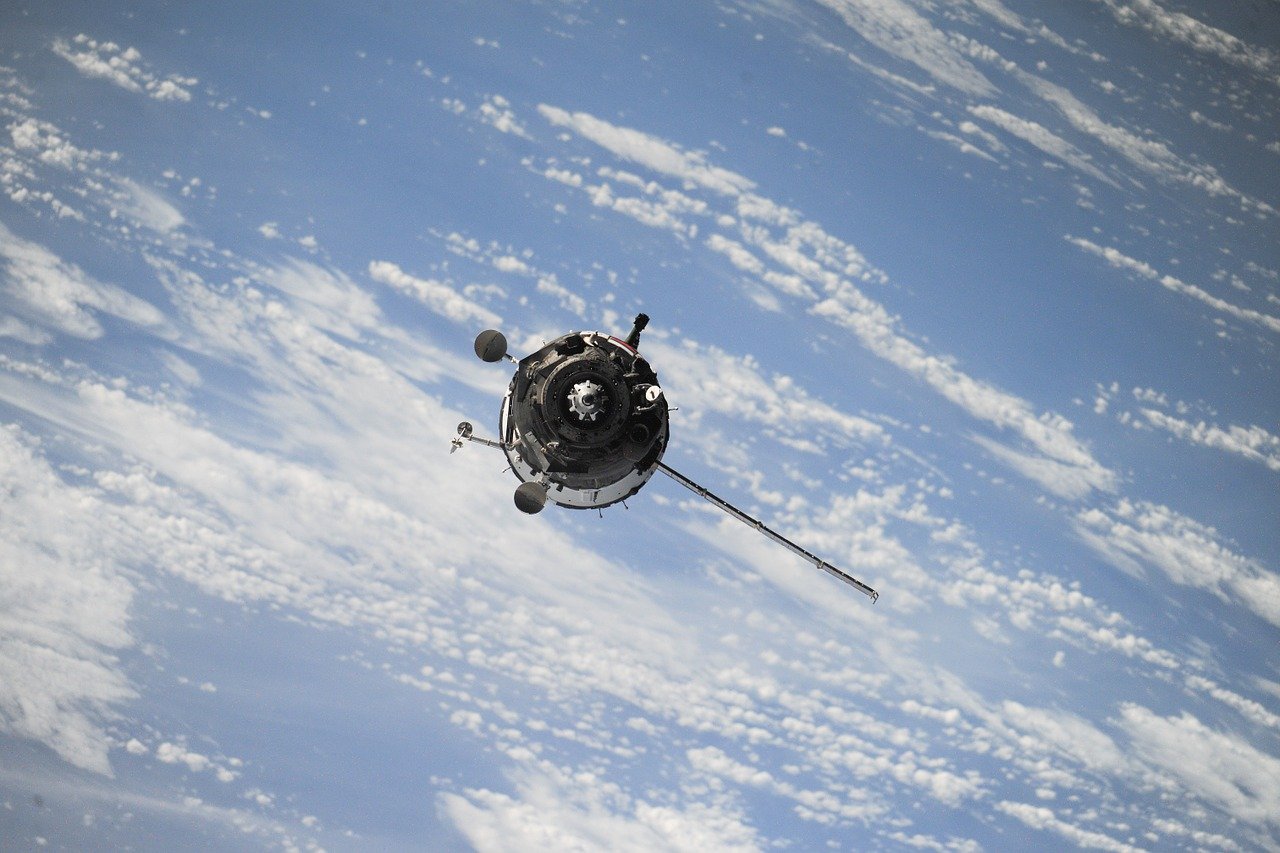
Amazon will acquire Globalstar, the satellite company that powers Apple’s Emergency SOS feature, for $11.57 billion, the companies announced on April 14. The deal folds Globalstar’s 24-satellite constellation into Amazon LEO, its satellite venture formerly known as Project Kuiper, and gives Amazon access to Globalstar’s globally licensed spectrum, the radio airwaves satellites use to transmit signals across countries. Amazon and Globalstar expect the transaction to close in 2027, pending regulatory approval.
What it means for India: Amazon and Apple signed a new agreement to continue powering Emergency SOS and messaging on iPhone and Apple Watch. Amazon LEO plans to launch its own direct-to-device (D2D) service, which allows smartphones to connect directly to satellites without additional hardware, from 2028. However, the deal does not unlock Apple’s Emergency SOS for Indian users, where it has been unavailable since its 2022 global launch, and lands in the middle of two unresolved regulatory processes that will determine whether D2D services reach Indian users at all.
Why Apple Emergency SOS does not work in India: The feature lets users send texts and share their location from areas with no cellular coverage. It remains unavailable in India because Globalstar has not received a Global Mobile Personal Communications by Satellite (GMPCS) licence, which allows companies to offer mobile services via satellite, or completed its authorisation from the Indian National Space Promotion and Authorisation Centre (IN-SPACe), the government body that clears satellite operations in India.
Globalstar applied to IN-SPACe and received test spectrum for disaster management trials but has not applied for the GMPCS licence. In its own TRAI submission, Globalstar called India “the single largest market that Globalstar has been previously unable to enter.” A person familiar with the matter told MediaNama last year that Apple prefers to continue working with Globalstar as its global partner rather than switching to another operator for India.
Amazon now inherits both Globalstar’s pending India regulatory process and its own separate approvals for Amazon LEO, which also awaits GMPCS and IN-SPACe clearances. Whether Amazon prioritises filing Globalstar’s GMPCS application will be the first signal of intent.
What is D2D and why the airwaves question matters: The global D2D race splits into two camps based on which airwaves to use, as reported by the Indian Express:
- Operators such as Starlink, Lynk Global, and AST SpaceMobile use existing mobile network airwaves, meaning customers can use their existing handsets without any changes.
- Companies like Viasat use dedicated satellite airwaves, arguing they cause no interference with mobile networks but only work on a limited set of newer handsets built to support them.
Globalstar and Apple use dedicated satellite airwaves. India has not decided which model to permit. State-owned Bharat Sanchar Nigam Limited (BSNL) launched a D2D service in 2024 partnering with US-based Viasat, confirming that it can send and receive texts via satellite. That remains the only live D2D service in India.
India’s regulatory framework remains unresolved: TRAI released a consultation paper on April 8 flagging that D2D services require a dedicated regulatory framework. Two questions remain open:
- Which airwaves D2D services should use: dedicated satellite airwaves or existing mobile network airwaves.
- Whether India should wait for the World Radiocommunication Conference (WRC-27), a global forum where countries decide how satellites share airwaves, scheduled for 2027, before permitting mobile-airwave-based D2D.
Stakeholders must submit comments by May 6 and counter-comments by May 20. The DoT is separately preparing to seek TRAI recommendations on D2D pricing, airwaves allocation, and technical safeguards. A long-standing argument in India’s telecom sector has been whether satellite operators should get airwaves via the administrative route, paying a share of revenue to the government, or via the auction process that mobile operators must undergo. The Telecommunications Act 2023 decided on the former, which remains controversial.
Telcos will push back: Indian telecom operators including Jio and Airtel have demanded that satellite players follow the same rules as telcos if D2D services are approved, citing fair competition concerns. The conflict between satcom players and telcos over airwaves predates this deal. Amazon owning Globalstar, whose D2D service is embedded in hundreds of millions of iPhones globally, gives that conflict a much larger protagonist and raises the stakes of the May 6 TRAI consultation considerably.
What to watch: Three things will determine how quickly any of this becomes real for Indian users: whether Amazon files Globalstar’s GMPCS application with DoT, TRAI’s final recommendations after the May 6 deadline, and whether TRAI decides to wait for WRC-27 before permitting mobile-airwave-based D2D, which would push any meaningful rollout to 2028 at the earliest.
Also read:
- Amazon’s Project Kuiper: Can It Outpace Starlink in the Satellite Internet Race?
- Starlink Likely To Pay Spectrum Tax In India: What It Means for Satellite Internet
- Is Satellite Internet a Viable Business in India? Pricing and Policy Concerns
For You
- Read Reasoned by Nikhil Pahwa: How AI is changing our world
- Sign up for MediaNama's Daily Newsletter to receive regular updates
- Sponsor a MediaNama Event