




Around 1000 BC, Tabaket-en-Mut, the daughter of an ancient Egyptian priest, likely never imagined that the wooden prosthesis she wore after losing her big toe would become a piece of medical history some 3,000 years later.
Archaeologists believe she may have lost the toe because of complications from diabetes. Modern medicine did not exist at the time, so someone made her a prosthesis consisting mainly of three wooden toe segments joined together and wrapped in leather. It was sturdy, comfortable, and fitted to the shape of her damaged foot. Known today as the “Cairo toe,” the prosthesis is considered one of the oldest known functional prosthetic body parts.
It was a modest beginning: replacing something lost to restore function, or simply to make the body appear whole again.
Today, that idea of “replacement” has moved beyond surface repair and into deeper questions about how medicine might preserve function over time. On May 15, United Therapeutics said the US Food and Drug Administration (FDA) had cleared its investigational new drug application to begin a clinical study of UHeart, an investigational pig-derived heart with 10 gene edits. The trial will initially enroll up to two participants, with the company intending to use the data to support a potential biologics license application if early results are supportive.
That does not mean xenotransplantation, the transplantation of animal organs into humans, is close to routine use. But it does show that a field long treated as experimental may be entering a more formal regulatory pathway.
From cosmetic prostheses to gene-edited organs, medicine’s exploration of replacement has followed a consistent logic: when a body part fails, breaks down, or ages beyond repair, one possible response is to substitute it with something that can restore function.
The logic is simple. The execution is not. It runs through the history of surgery, transplantation, regenerative medicine, and medical devices: remove the failing module, connect a biological or synthetic substitute, and try to get the body running again.
This is the core of what researchers now call “replacement-based intervention.” In May 2025, Nature Aging published “Replacement as an aging intervention,” a review led by Sierra Lore, with co-authors including Eric Verdin, George Church, Vadim Gladyshev, Anthony Atala, Morten Scheibye-Knudsen, and Jesse Poganik. The paper presented replacement interventions as a class of therapies aimed at restoring or substituting aged cells, organs, or brain systems, and framed them as a unified approach to aging research.
In May this year, Aging Cell published “Replacement-Based Ageing Interventions for Systemic Rejuvenation: Shaping Longevity Science and Clinical Directions.” Its authors included Bjorn Fraser Olaisen, Vadim Gladyshev, Bohan Zhang, Anthony Atala, Eric Verdin, Alexander Zhavoronkov, Morten Scheibye-Knudsen, Sierra Lore, and Daniela Bakula. The paper proposed a roadmap for integrating replacement strategies with next-generation damage removal therapies to restore biological function and extend healthy lifespan.
Together, these papers sent a clear signal to academia and industry: replacement is no longer only the domain of surgeons. It is becoming a broader medical framework that can sit alongside drugs, devices, and regenerative therapies.
Policy is beginning to reflect that shift. In China, the National Healthcare Security Administration has created pricing items for medical 3D printing, including biological 3D printing of tissues, blood vessels, and organs. Hunan became the first province to issue local pricing rules, while organ-related pricing remains more conditional because the field is still at the clinical trial stage.
So where does this idea, which humanity has been pursuing for thousands of years, stand in 2026?
To understand replacement technology, start with a simple question: when a machine has been used for a long time and one part breaks, what should be done? Often, the answer is not to repair it indefinitely, but to replace the part.
Why, then, has medicine so often relied on patching the human body with pills, injections, and surgery rather than replacing damaged components directly?
For most of history, the answer was simple: it was not possible. There were no suitable materials, no reliable anti-rejection drugs, and no way to grow living tissue. Over the past few decades, those barriers have begun to fall.
The Aging Cell paper described replacement-based aging interventions as biological or synthetic strategies designed to reverse multiple forms of age-related damage, restore function more durably than conventional therapeutics, and move medicine toward earlier intervention rather than treatment only after disease emerges.
In other words, replacement is no longer only a last resort in the spirit of the Cairo toe. It is being framed as a possible method of long-term health maintenance.
The 20th century marked the turning point. In 1954, the first successful human kidney transplant showed that a failing organ could be replaced by another organ. In 1958, the first implantable cardiac pacemaker showed that an electronic device could help regulate the rhythms of life. By the 1990s, hematopoietic stem cell transplantation had matured, improving survival for some patients with leukemia and other blood disorders.
Today, the levels at which replacement is possible have expanded. They include cells, such as stem cell transplants and CAR-T therapies; tissues and organs, including engineered tissues and 3D bioprinting; the circulatory system, including therapeutic plasma exchange; and synthetic replacements, such as pacemakers and brain-computer interfaces.
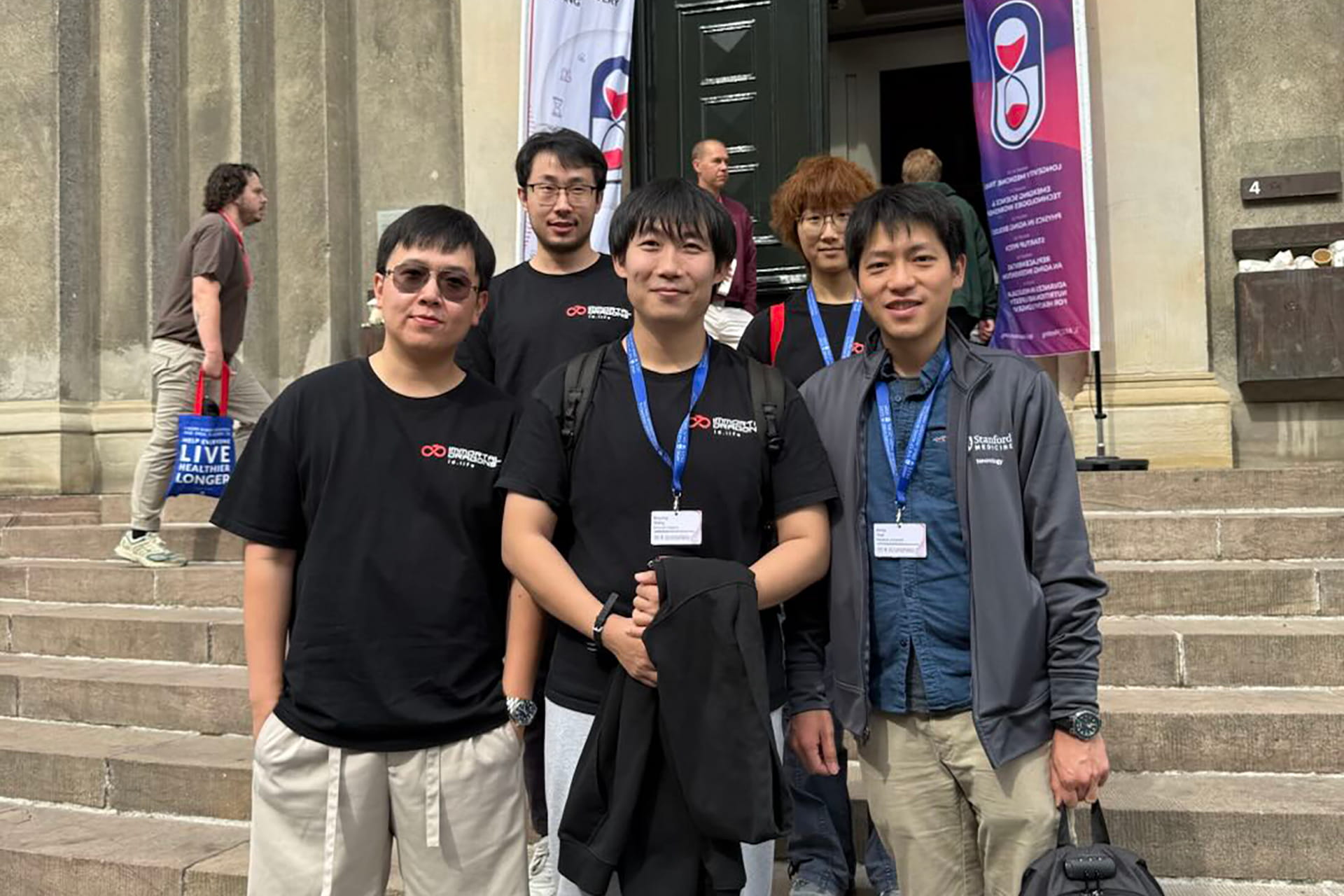
Immortal Dragons, a Singapore-based longevity technology fund, told 36Kr that among these layers, “replacement at the tissue and organ level is more closely related to everyday life, has a clearer commercialization path, and best reflects the maturity of this technology as it moves from the laboratory into reality.”
The field has already formed a rough maturity hierarchy.
The first tier consists of thin-layer tissue replacements, such as skin, cartilage, and corneas. These have relatively simple structures. Skin is essentially a layered sheet of cells. Cartilage consists mainly of one cell type and extracellular matrix. The corneal epithelium has no blood vessels. These tissues do not need to solve the major tissue-engineering challenge of vascularization, which makes them safer and easier to commercialize.
In the US, skin products such as Apligraf and Epicel have been used clinically for decades. In cartilage repair, Vericel’s MACI, or matrix-induced autologous chondrocyte implantation, has FDA approval for repairing certain symptomatic full-thickness cartilage defects of the knee in adults. These products show that basic forms of replacement have already been industrialized.
The second tier consists mainly of hollow organs that have entered human clinical trials but have not been commercialized at scale, such as the bladder, urethra, and vagina. These are more complex than thin-layer tissues but simpler than solid organs. They require several structural layers, but their walls are thin enough that oxygen and nutrients can still diffuse through them, at least temporarily bypassing the problem of vascularization.
As early as 1999, Anthony Atala’s team treated seven children with bladder dysfunction caused by myelomeningocele, a form of spina bifida. The team removed urothelial and muscle cells from the patients’ own bladders, expanded them outside the body, seeded them onto biodegradable scaffolds, built new bladder tissue, and transplanted it back into the patients. The study was published in The Lancet in 2006. The researchers reported that the engineered tissues continued to function during follow-up, though the work remained early and required further testing.
The third tier targets solid organs such as kidneys, livers, and hearts. These organs often require dozens of cell types, dense blood-vessel networks, and complex metabolic functions. They remain the hardest challenge in tissue engineering, and most transplantable engineered solid organs remain experimental.
The pattern is clear. The simpler, thinner, and more hollow a structure is, the easier it is to bring to market. The more complex the organ, and the more it depends on vascular networks, the longer its R&D cycle will be. That hierarchy is both a technology roadmap and an investment timetable: first commercialize mature thin-layer tissues, then move into hollow organs, and eventually, if the science allows, solid organs.
Industrial deployment tends to move step by step. Replacement technology also has to balance near-term clinical adoption with the long-term vision of healthy aging. For now, it does not mean mass organ replacement in a sci-fi sense. It must first address urgent clinical needs and support viable business models.
As the technology matures, more people may choose earlier replacement or repair of worn joints, small-diameter blood vessels, or damaged immune components. The common theme is a shift from passive repair to active maintenance.
When a technology moves from the lab to the clinic, capital often reacts early. For decades, replacement technologies were treated as serious medicine, not longevity medicine. Organ transplants and joint replacements were effective, but their markets were relatively defined. Once leading journals began discussing replacement as a possible framework for aging intervention, investors started to look at it differently. Replacement was no longer only about treating disease. It became part of a broader health maintenance thesis.
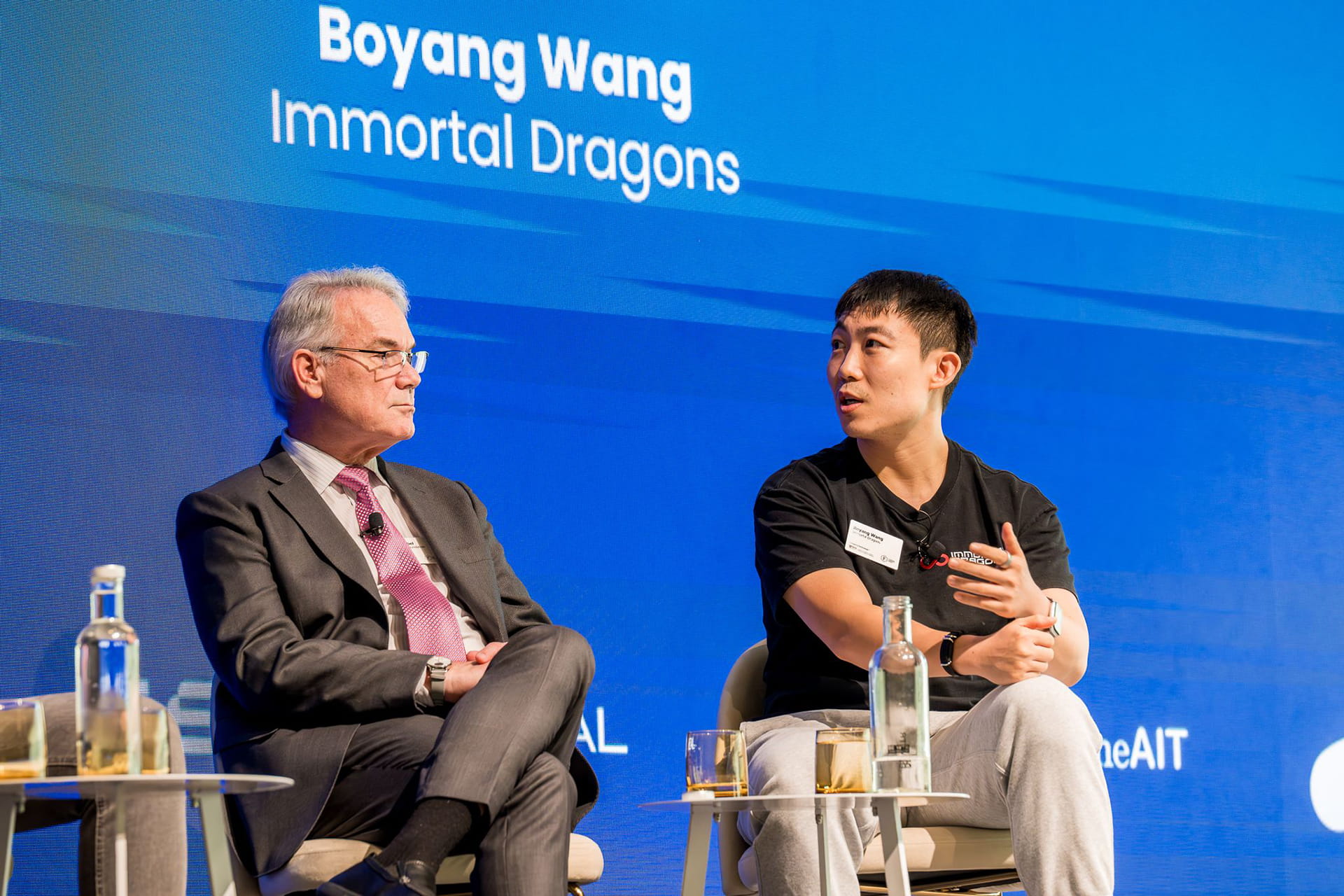
Immortal Dragons said it is among the earlier institutions to study and invest systematically in the “replacement strategy,” meaning the use of new, functional parts to replace damaged parts of the body. The firm’s view is that frontier technologies must first meet clear disease-treatment needs, complete clinical validation, demonstrate safety and efficacy, and obtain compliant product approval and sales. Only after that can they expand toward broader anti-aging uses.
Its thesis is straightforward: aging is, in part, systemic hardware decline. Repair can help, but repair may not always keep pace with deterioration. Replacing aged components could become a more efficient path to extending healthy life.
Based on this view, Immortal Dragons has concentrated its USD 40 million fund on four areas: replacement-based aging intervention, gene therapy, reversal of neural aging, and acceleration of innovative therapies from research into clinical use. The firm has said it has invested in more than 20 startups globally.
According to Immortal Dragons, the best intervention strategy depends on disease stage. “For example, when damage is early-stage and reversible, repair is often more effective because it costs less, carries lower risk, and does not require donors. In repair therapies, gene therapy, regenerative medicine, and cell therapy are all making exciting progress. But when organ damage becomes irreversible, the marginal benefit of repair declines sharply, and replacement may become the only option. Depending on the donor source, that may involve organs voluntarily donated by human donors, animal organs, 3D-bioprinted organs, or human organs grown inside animals.”
In the short term, most of Immortal Dragons’ portfolio companies focus on therapeutic scenarios with unmet clinical needs. One example is Frontier Bio, which is working on small-diameter vascular grafts. Existing synthetic grafts often perform poorly in small-diameter applications because blood can come into direct contact with artificial materials and form clots. Traditional tissue-engineered blood vessels can also require cells to be taken from a patient and cultured for weeks or months before implantation, a timeline many patients cannot meet.
Frontier Bio’s approach is a graft prepared during surgery. At the start of the operation, a small amount of tissue is taken from the patient’s abdominal subcutaneous fat. Adipose-derived stem cells are isolated and immediately seeded onto a biodegradable polymer scaffold made by electrospinning. The process is designed to be completed on the operating table. According to Immortal Dragons, animal experiments showed that grafts removed after 14 days had formed a continuous endothelial layer and begun integrating with host blood vessels.
“This means you can use an autologous, living-cell, made-on-demand vascular substitute to bypass thrombosis and long ex vivo culture. And because it uses the patient’s own cells, the graft carries no risk of rejection and requires no donor matching, avoiding many of the immune-matching problems associated with allogeneic cell products,” Immortal Dragons said.
Another portfolio company, ImmuneBridge, is working on bottlenecks in allogeneic cell therapy. Immune cells from adult donors can vary widely in quality, while immune cells derived from induced pluripotent stem cells, or iPSCs, may have limited function and often require gene editing.
ImmuneBridge’s solution is to return to a younger source: neonatal umbilical cord blood. The company says its small molecule, IBR403, can greatly expand hematopoietic stem cells while maintaining their ability to differentiate into lymphoid and myeloid cells. The expanded cells can then be used to create immune cells such as NK cells, T cells, and B cells, effectively forming the basis for a young immune cell bank.
These projects are attracting attention because they point to a broader trend: replacement technology is moving from isolated procedures toward repeatable platforms.
China has been especially active in xenotransplantation, 3D bioprinting, and cell therapy, according to Immortal Dragons. This momentum does not depend on one or two standout products. The wider ecosystem is also developing, from early R&D and manufacturing processes to regulatory reform and payment systems.
Take xenotransplantation. In 2025, Nature published a study on a six-gene-edited pig liver transplanted into a brain-dead human recipient. The liver produced bile and albumin and was monitored over ten days. Chinese media and medical outlets have linked the work to Xijing Hospital and Dou Kefeng’s team at Air Force Medical University.
On the industry side, ClonOrgan said it operates a biomedical pig breeding facility roughly 22 hectares in size and maintains a breeding herd of about 2,000 pigs. PitchBook lists its investors as including Luminous Ventures, YuanBio Venture Capital, and an industry fund under Betta Pharmaceuticals.
Despite the excitement, replacement products that can be commercialized at scale are still mostly limited to peripheral or relatively simple tissues, such as skin and cartilage. To expand replacement into organs such as kidneys and hearts, at least three major hurdles remain:
Beyond these scientific hurdles, ethical concerns, high costs, and regulatory gaps will also shape commercialization. Replacement medicine raises difficult questions: who gets access first, how risk should be priced, how animal welfare should be handled in xenotransplantation, and how much evidence should be required before preventive use.
Still, bottlenecks are not the same as dead ends. The long-term goal of replacement technology is to reduce the pain, frailty, and disease associated with aging, while extending the years in which people can live healthy, autonomous lives.
From a wooden toe in ancient Egypt to a gene-edited heart entering a formal clinical trial, the basic impulse has remained the same: when the body fails, medicine looks for ways to restore what was lost. The next question is whether replacement can move beyond rescue and become part of how people maintain health before decline becomes irreversible.
KrASIA features translated and adapted content that was originally published by 36Kr. This article was written by Xiao Xi for 36Kr.
此内容由惯性聚合(RSS阅读器)自动聚合整理,仅供阅读参考。 原文来自 — 版权归原作者所有。