









Sign up to see the future, today
Can’t-miss innovations from the bleeding edge of science and tech
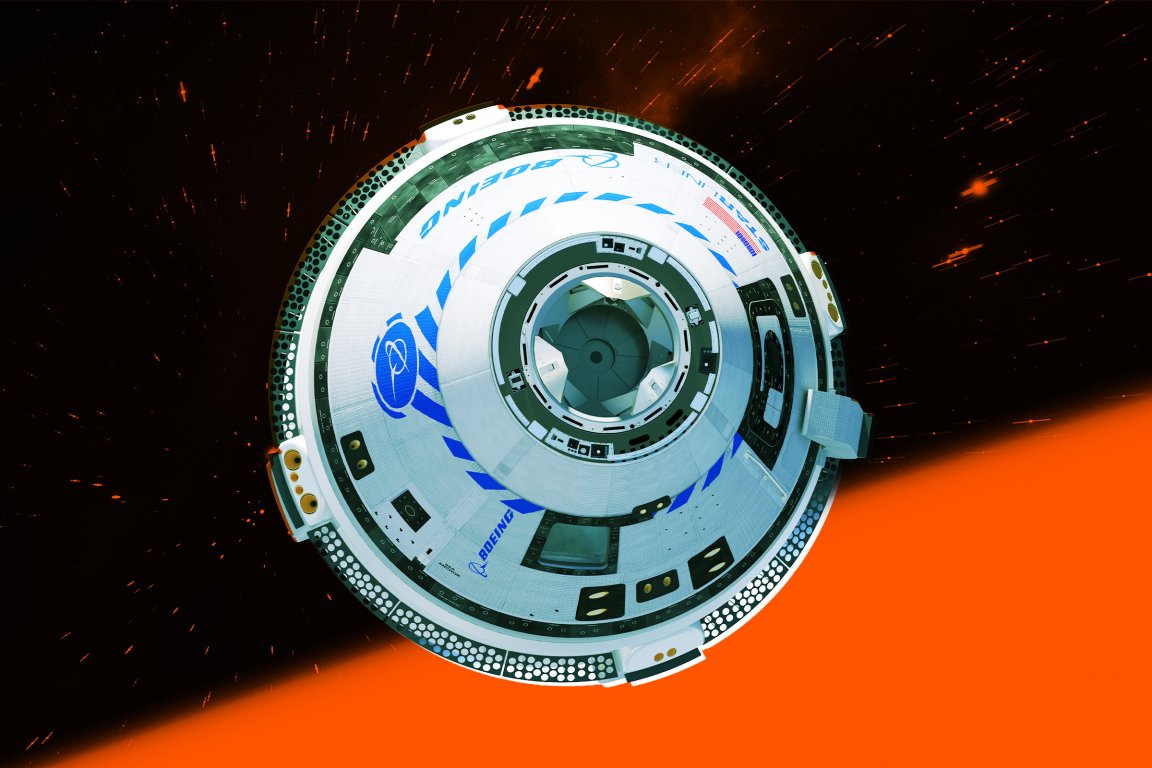
Boeing’s Starliner, originally intended to serve as an alternative to SpaceX’s workhorse Dragon spacecraft, has been nothing short of a disaster.
It’s been just over two years since the spacecraft launched to the International Space Station with NASA astronauts Butch Wilmore and Sunita Williams on board, a maiden crewed voyage following years of delays and major technical setbacks. But thanks to persistent issues with the thrusters and major helium leaks, the capsule stranded the duo in space for nine months, and eventually returned without anybody on board.
Since then, Boeing has continued to struggle to get its act together — over a decade and a half after it struck up its Commercial Crew Program contract with NASA. As Spaceflight Now reports, the long-awaited follow-up to the calamitous test flight — which won’t even have a crew on board — still doesn’t have an official launch date and could be as far as a year away.
The clock is ticking. The ISS will be retired in a matter of four years, which could make the spacecraft obsolete after spending well over $2 billion on it and failing to ever successfully send astronauts to space and back on the type of round trips it was designed for.
The news comes roughly four months after NASA released a Program Investigation Team (PIT) report, classifying Wilmore and Williams’ harrowing journey as a “Type A mishap,” a classification that indicates “property damage equal to or greater than $2 million or more.”
The report concluded that “cultural and leadership challenges” had “undermined technical rigor and exacerbated technical risks, blaming the space agency for a hands-off approach to the capsule’s development, and Boeing’s insufficient engineering oversight.
At the time, NASA administrator Jared Isaacman acknowledged the failures, writing in a letter that “we are taking ownership of our shortcomings.”
“But to be clear: NASA will not fly another crew on Starliner until technical causes are understood and corrected, the propulsion system is fully qualified, and appropriate investigation recommendations are implemented,” he added.
This week, a public meeting of the Aerospace Safety Advisory Panel (ASAP) revealed that officials were still trying to assess what to do with the extremely expensive spacecraft.
“NASA and Boeing continue working toward the goal of Starliner’s crewed certification, which includes defining what is needed and acceptable for the next uncrewed mission to reduce risk and confirm readiness for crew missions,” former NASA astronaut and ASAP member Kent Rominger said, as quoted by Spaceflight Now.
“The Starliner-1 uncrewed mission launch target is under review as work remains to close the final propulsion system issues,” he added.
In short, Boeing’s disastrous spacecraft is on hold until further notice, a major blunder marring NASA’s efforts to ensure regular access to space.
The most recent word we got from the agency is a May 1 update.
“Launch opportunities for NASA’s uncrewed Boeing Starliner-1 cargo mission remain under review as teams continue working through technical issues discovered during the Crew Flight Test in 2024, as well as final actions from the Program Investigation Team report,” the agency wrote.
“The agency is assessing operational readiness and space station traffic to determine the earliest feasible launch window,” NASA added.
More on Starliner: NASA Says Boeing’s Busted Starliner Spacecraft Won’t Be Allowed to Carry Astronauts on Next Mission