



惯性聚合 高效追踪和阅读你感兴趣的博客、新闻、科技资讯
阅读原文 在惯性聚合中打开

推荐订阅源

A
About on SuperTechFans
小众软件
小众软件
WordPress大学
WordPress大学
Microsoft Azure Blog
Recent Announcements
博客园 - 三生石上(FineUI控件)
博客园_首页
N
Netflix TechBlog - Medium
IT之家
IT之家
H
Help Net Security
博客园 - 聂微东
Google DeepMind News
罗磊的独立博客
T
Tailwind CSS Blog
F
Fortinet All Blogs
Hugging Face - Blog
Hugging Face - Blog
MongoDB | Blog
MongoDB | Blog
V
V2EX
量子位
云风的 BLOG
云风的 BLOG
爱范儿
爱范儿
博客园 - 司徒正美
The Cloudflare Blog
Engineering at Meta
Engineering at Meta

Futurism

Bizarre New Websites Are Designed Specifically to Spark Dopamine in Your Brain FBI Now Allowing History of Bestiality Among New Recruits Doctors Just Used AI to Perform Brain Surgery Mom Who Travels For Work Builds AI Clone of Herself to Keep Her Teenage Son Company The Results of Middle and High School Students Using AI Are Extremely Ominous Wild New Paper Claims Human Brain Doesn't Produce Consciousness We Are Admittedly Creeped Out by These Chunks of Human Brain Matter That Have Lived Longer Than a Toddler Man Sues Bank for Being Stupid Enough to Give Him a Mortgage Even When Experts Were Warning Him It Was About to Fall Into the Ocean We Talked to the Guy Who Built a Chatbot That's Just Him Manually Responding to People One-by-One The AI Industry Has Acted So Badly That It's Now Dealing With a Huge Wave of Hatred Eye Implant That Restores Vision to the Blind Cleared for Sale Famous "Pick Up Artist" Reduced to Hitting on AI Girlfriend FanDuel Is Using Extremely Dirty Tricks to Keep Gambling Addicts Hooked Learning What Substance Is Suspected of Causing Alzheimer’s May Throw You Into an Existential Crisis The Hectic Modern World Is Shredding Your Little Cave Man Brain, Scientists Confirm DuckDuckGo's AI Feature Is Telling Users That Trump Died of Rabies Earlier This Month Research Suggests the Older You Get, the More Weed You Should Smoke TikTok Has Been Completely Taken Over by AI Slop We Are Admittedly a Bit Startled by This Medical Case Report About Giving an Elderly Woman With Advanced Alzheimer's a Gigantic Dose of Psychedelic Mushrooms Just to See What Would Happen Google's AI Overviews Feature Is Telling Users That SCP Horror Fiction Entities Are Real Clavicular's "Botched" Nose Job Illustrates the Dangers of Looksmaxxing Working From Home Has a Grim Effect on Your Brain, Surprise Research Finds It Turns Out Lookmaxxing Has Some Extremely Emasculating Side Effects Startup Testing Drugs on Freshly Extracted Human Brains That Are Kept On Life Support Woman Alarmed When Her Trusted Therapist Starts Recording Her With AI Kids Are Flying Into Lunatic Rages When Their iPads Are Taken Away Influential Tech Founder Says His Peers Are Suffering From Mass AI Psychosis Man Drives Cybertruck Into Lake to Test Elon Musk’s “Boat” Claims, and It Went About as Well as You’d Guess Elon Musk Compares His Work to Miracles Performed by Jesus Christ People Are Getting Plastic Surgery to Look More AI-Generated
Psychiatrists Investigating People Who Get Trapped Inside...
Victor Tangermann · 2026-06-07 · via Futurism

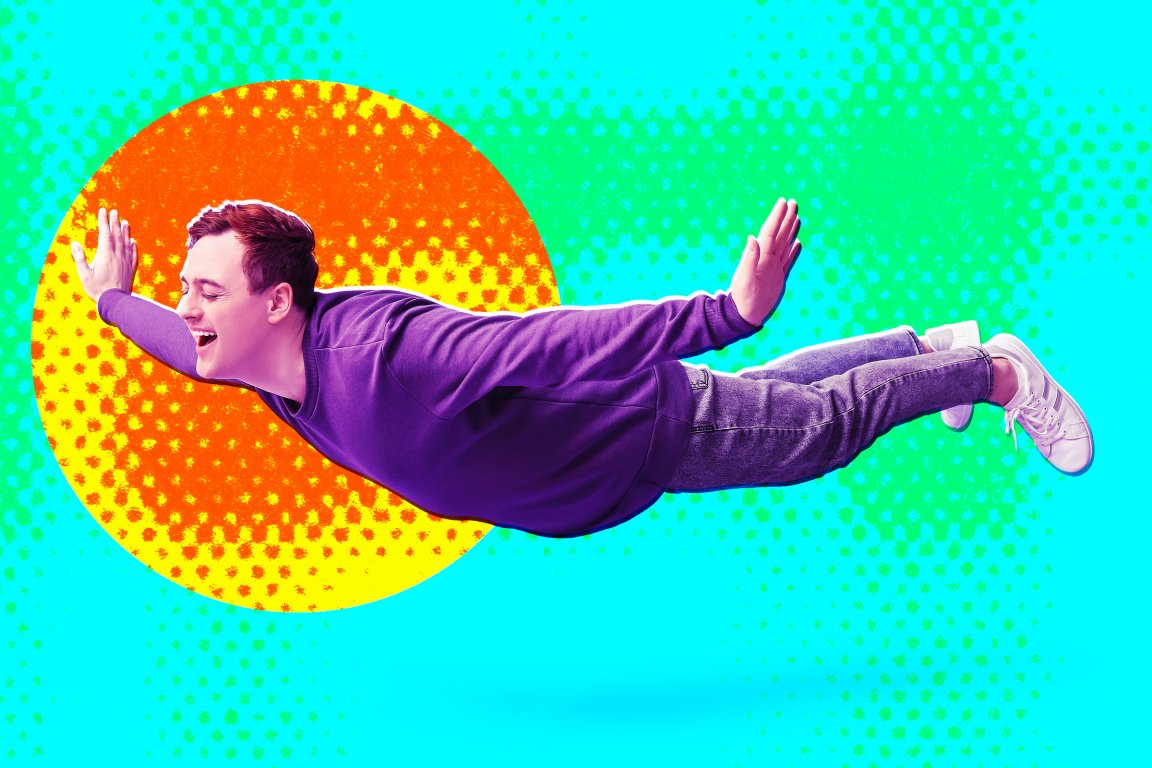
A photo illustration featuring a daydreaming man floating in his imagination.

Illustration by Tag Hartman-Simkins / Futurism. Source: Shutterstock

Sign up to see the future, today

Can’t-miss innovations from the bleeding edge of science and tech

There’s nothing inherently wrong with daydreaming.

Letting your thoughts wander through imaginary worlds can provide a much-needed distraction from the stresses of life, regulate emotions, foster creativity, or simply ward off boredom.

But as the BBC reports, a condition called maladaptive daydreaming can effectively trap certain people inside extensive fantasies for days at a time — doing more harm than good by adding, instead of taking away, from all that stress.

Maladaptive daydreaming, a condition that affects anywhere from two to four percent of the adult population, “causes distress and it interferes with your ability to function,” psychiatrist and author Colin Ross told the BBC. In extreme instances, people can be trapped inside their daydreams for up to 12 hours a day.

“When they eventually snap out of a daydreaming episode, maladaptive daydream sufferers tend to experience their fantasies as futile, and a waste of time,” Ross explained. “Yet the addictive nature of it means that the cycle continues — it is one that is hard to break.”

One woman who suffers from the condition told the BBC that she used her daydreams as a “safe place” where “nobody teased me” as a child. Another woman described her daydreams as a “kind of parallel world” that was disruptive enough to interrupt her studies at a young age.

The term “maladaptive daydreaming” was first coined by University of Haifa, Israel, clinical psychology professor Eli Somer in the early 2000s. It describes a condition that involves spending excessive amounts of time daydreaming, frequently turning the otherwise harmless practice into an unhealthy attempt to cope with a pre-existing problem.

As a result, some who suffer from the condition withdraw from their social lives and become increasingly isolated, triggering feelings of shame and regret.

Scientists have found intriguing links between maladaptive daydreaming and those suffering from developmental trauma or diagnosed as being on the autism spectrum. Some researchers have also found links to similar compulsive disorders, like OCD and ADHD.

“With ADHD, the overlap is especially important because excessive fantasy can look like inattention from the outside,” Somer told the BBC. “With OCD, there are shared features such as intrusiveness, compulsivity, and difficulty disengaging.”

It’s important to note that maladaptive daydreaming has yet to be added to the Diagnostic and Statistical Manual of Mental Disorders, or DSM-5, a widely used taxonomic tool published by the American Psychiatric Association that standardizes the classification of mental health disorders.

Regardless, scientists are working on establishing new ways to address it through clinical treatment in a broader effort to help patients regain control — not dismiss their daydreaming entirely.

After all, there’s plenty to gain from daydreaming in its non-addictive, self-regulated form.

More on mental disorders: Psychologist Says AI Is Causing Never-Before-Seen Types of Mental Disorder