










Listen on the go! A daily podcast of Wall Street Breakfast will be available by 8:00 a.m. on Seeking Alpha, iTunes, Spotify.
Getty Images
Survey Monday
The U.S. and Iran will sign a deal to end the war on Friday. How long do you think it'll take for shipping to fully resume through the Strait of Hormuz?
Click here to take the poll and don't forget to share your thoughts in the WSB comments section.
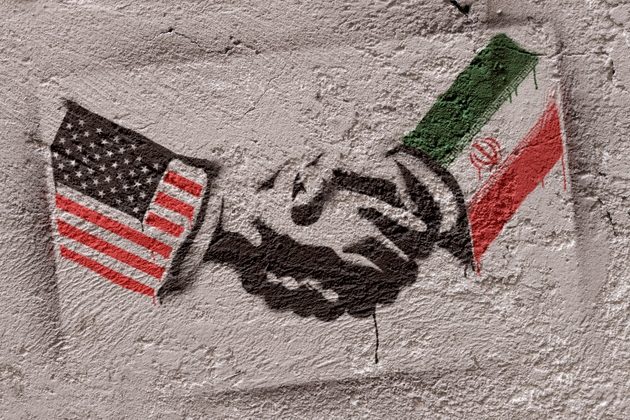
President Donald Trump said the Strait of Hormuz will reopen to commercial shipping on Friday following the formal signing of a U.S.-Iran peace deal, nearly four months since the war broke out. Investors cheered the news, while oil prices fell.
Start your engines: "I hereby fully authorize the toll free opening of the Strait of Hormuz, and, simultaneously herewith, authorize the immediate removal of the United States Naval blockade," Trump posted on Truth Social over the weekend. "Ships of the World, start your engines. Let the oil flow!" He later posted, "With the opening of the Strait upon the signing of the Deal on Friday, for purposes of mine removal, oil will flow on both ends again for the Region, and the World!" The Iranian Secretariat of the Supreme National Security Council said all warfare between the parties would cease "immediately and permanently from tonight" and that the naval blockade would end. Some officials have described the agreement as an initial framework for future diplomacy.
Fine print: The draft memorandum of understanding includes ending the war, even in Lebanon, and the withdrawal of U.S. forces around Iran, Iranian state-affiliated Mehr News reported. Certain sanctions on Iran will be lifted, while the U.S. and allies will reportedly submit plans for reconstruction. Under the MOU, there will be a 60-day negotiating period focused on Iran's nuclear program. An estimated $24B in frozen Iranian funds will be unfrozen during the window, half before final negotiations begin. "As far as regime change, I never cared about regime change," Trump said in an interview Sunday. Meanwhile, Israeli Prime Minister Benjamin Netanyahu rejected the Lebanon-related provision in the U.S.-Iran deal, saying Israel will not withdraw from Lebanon.
Dwindling stocks: Oil fell after the deal was announced, but prices could stay elevated as it'd take months for countries to replenish depleted stocks. Neil Chapman, senior vice president at Exxon Mobil (XOM), warned that the U.S. was approaching "unheard of" inventory levels, while Chevron (CVX) CEO Mike Wirth said oil prices would face more upward pressure this month and the next. The U.S. authorized the release of 172M barrels from the Strategic Petroleum Reserve as part of a global coordinated effort to rein in prices. In the week to June 6, the U.S. drew over 66M bbl of crude from its SPR, leaving it at nearly half its capacity, S&P Global Energy CERA noted. As stocks diminish, CERA analysts see global oil demand falling at least 2.4M bbl/day annually in 2026 and Brent crude averaging $110/bbl over the full year.
Here's the latest Seeking Alpha analysis
What else is happening...
Today's Markets
In Asia, Japan +5%. Hong Kong +0.5%. China +1.6%. India +1%.
In Europe, at midday, London +0.1%. Paris +1.1%. Frankfurt +1.3%.
Futures at 6:30, Dow +0.9%. S&P +1.2%. Nasdaq +2%. Crude -5.4% to $80.28. Gold +2.8% to $4,359.10. Bitcoin +1.7% to $65,683.
Ten-year Treasury Yield -4 bps to 4.45%.
On The Calendar
此内容由惯性聚合(RSS阅读器)自动聚合整理,仅供阅读参考。 原文来自 — 版权归原作者所有。