


惯性聚合 高效追踪和阅读你感兴趣的博客、新闻、科技资讯
阅读原文 在惯性聚合中打开

推荐订阅源

Engineering at Meta
Engineering at Meta
J
Java Code Geeks
I
InfoQ
腾讯CDC
Vercel News
Vercel News
IT之家
IT之家
V
Visual Studio Blog
P
Proofpoint News Feed
freeCodeCamp Programming Tutorials: Python, JavaScript, Git & More
G
Google Developers Blog
Cyber Security Advisories - MS-ISAC
博客园 - 叶小钗
有赞技术团队
有赞技术团队
月光博客
月光博客
Martin Fowler
Martin Fowler
量子位
L
LangChain Blog
B
Blog
Last Week in AI
Last Week in AI
博客园 - 司徒正美
Microsoft Security Blog
博客园 - 聂微东
Microsoft Azure Blog
A
About on SuperTechFans

Futurism

Meta Installing Software on Employee Computers to Track Everything They Do, Feed the Data to AI Concern Grows That AI Is Damaging Users’ Cognitive Abilities JPMorganChase Data Center Gets $77 Million Handout to Create Grand Total of One Job Nvidia CEO Loses His Cool at Tough Question CEO of $1.5 Billion AI Startup Accused of Massive Fraud by Justice Department Palantir Issues Ominous Corporate Manifesto Madison Square Garden Reportedly Used Facial Recognition to Stalk Trans Woman For Two Years The Florida Mass Shooter’s Conversations With ChatGPT Are Worse Than You Could Possibly Imagine China Is Starting to Pull Ahead of US in AI Race AI Company Known for Teen Suicides Launches New Feature to Turn Books Into Roleplaying Experiences Study Finds AI Use Eats Away at Users’ Confidence in Their Own Brains Democrats Warned Not to Upset Multi-Million Dollar AI Lobbyists, Even Though It’d Be a Slam Dunk With Voters City Council Wrecked in Voter Bloodbath After Allowing New Data Center Mother Reportedly Doesn’t Know Her Son Died Because She’s Been Talking to an AI Version of Him Things You Told ChatGPT or Claude My Have Already Doomed You in Court Millions of Americans Are Talking to AI Instead of Going to the Doctor, and It’s Giving Them Horrendously Flawed Medical Advice There Are Signs of a Massive AI Backlash A Prominent PR Firm Is Running a Fake News Site That’s Plagiarizing Original Journalism at Incredible Scale Fury Erupts as Val Kilmer’s Estate Announces Starring Role in AI Film Made From Beyond the Grave Allbirds Stock Now Crashing as Reality Sets in About Its Delusional AI Pivot NAACP Sues Elon Over His Noxious AI Data Center Top Security Experts Alarmed by Power of Anthropic’s New Hacker AI Teens Alarmed at What AI Is Doing to Their Minds What It Really Means That a Failing Shoe Brand “Pivoted to AI” and Its Stock Soared 700 Percent Starbucks’ Baffling ChatGPT Collab Treats Customers Like Empty, Soulless Venti Cups ChatGPT’s “Honest Reaction” to a “Song” Composed Entirely of Gas-Passing Noises Will Make You Question Whether It’s Honestly Evaluating Your Other Brilliant Ideas AI Is Turning Workplaces Into Hopeless Gridlock Companies Just Learned a Brutal Lesson About Training AI to Do Human Jobs Berklee College of Music Students Furious That It’s Offering an AI “Songwriting” Class Usually, Young People Embrace New Technology. Gen Z’s Attitude Toward AI Should Worry the Entire Tech Industry
OpenAI Is Taking the "Crack Cocaine" Approach to Pricing
Victor Tangermann · 2026-06-17 · via Futurism

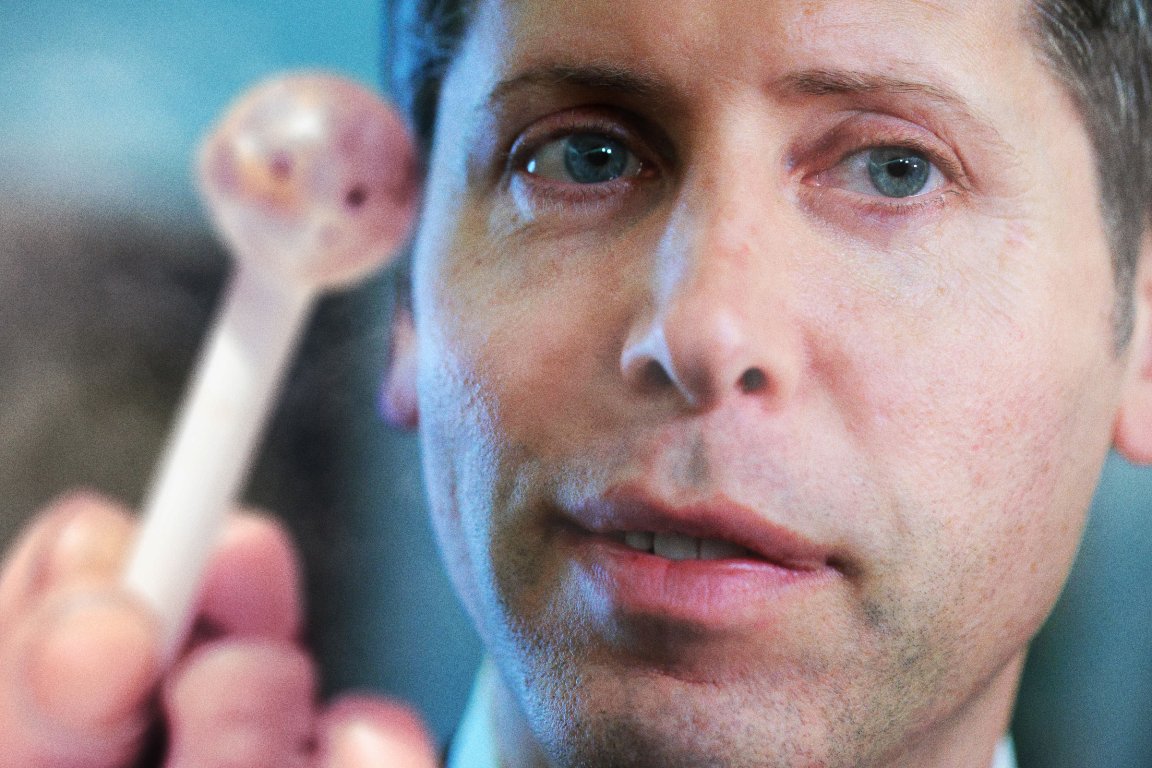
A comic photo illustration of OpenAI CEO Sam Altman appearing to hand the viewer a crack pipe.

Illustration by Tag Hartman-Simkins / Futurism. Source: Chip Somodevilla / Getty Images; Shutterstock

Sign up to see the future, today

Can’t-miss innovations from the bleeding edge of science and tech

OpenAI burned through a staggering amount of money in 2025.

According to audited financial figures obtained by AI skeptic Ed Zitron, who shared them with The Financial Times, the net loss attributed to the ChatGPT maker soared from $5 billion in 2024 to a stunning $39 billion in 2025.

You can relitigate the numbers all day — a source familiar with situation told the FT that a lot of those 2025 losses are a “non-cash accounting charge linked to the company’s previous structure rather than its underlying operations — but the financial pressure does seem to be taking a toll. After years of giving users largely unfettered access to its models for a monthly fee, OpenAI and many of its competitors are now debating whether to boost prices dramatically by transitioning to a token-based billing system, charging users more directly for the amount of computing power they consume instead of an open-ended monthly subscription.

OpenAI currently offers both pay-as-you-go API access and monthly ChatGPT subscriptions. But how long the latter will stick around is looking increasingly uncertain. Earlier this month, OpenAI CEO Sam Altman argued that “we see a future where intelligence is a utility, like electricity or water, and people buy it from us on a meter.”

In other words, OpenAI’s behavior sounds an awful lot like a drug dealer who floods the market with addictive drugs, then jacks up the prices once users are dependent on them.

“They’ve kind of taken the crack approach to AI,” one Reddit user argued. “Give it to people for free, get them hooked, then jack up prices.”

It’s an insightful metaphor, considering where the majority of the AI industry’s biggest players appear to be headed. And as the costs of building out data centers and maintaining access to cloud compute come due, it’s likely we’ll see even more similar behavior.

The real costs behind AI subscriptions are staggering. According to a recent report by research company SemiAnalaysis, a $200 ChatGPT Pro subscription costs OpenAI as much as $14,000 if used to its maximum potential.

Spiking API prices have caught some power users off guard. According to Axios, an unnamed firm’s CFO accidentally racked up half a billion dollars in Claude usage fees in a single month.

The financial reality is hard to ignore, with CEOs starting to reverse course on AI adoption as prices for access to the tools spiral out of control.

“Fundamentally all of these AI providers are massively subsidizing token usage on these flat rate plans,” another Reddit user wrote. “It’s simply unsustainable.”

Even with soaring token-based API pricing, AI companies’ balance sheets are firmly in the red. And they could stay there, especially considering the burgeoning AI price war that could force them to lower — not raise — prices just to stay competitive.

More on OpenAI: OpenAI Execs Are Panicking