







DUBLIN CITY COUNCILLORS have approved the rezoning of several major employment-zoned sites for housing-led and mixed-use development, which they say forms part of a wider package of planning changes that could help to provide up to “25,000 new homes in the city” across a number of initiatives.
In a meeting that ran from 6.30pm to 12.30am, councillors debated and proposed amendments, but ultimately approved the rezoning of sites including the Shanowen Road lands in Santry and a 12.5-acre site on the East Wall Road that is currently used for vehicle storage by the Dublin Port Company.
The company had lobbied against the rezoning move, arguing that the area, and another one currently being used to refrigerate food storage, are currently in operational use and that to move these activities away from Dublin Port could have environmental implications.
A spokesperson for Dublin Port Company, speaking to The Journal today, said that the firm respects the councillors’ decision but is “disappointed” with the outcome.
They added that the firm had highlighted the operational importance of the lands and the “significant land capacity constraints” that exist “within Dublin Port” as is.
“We will now review the implications of this decision, and we will continue to engage constructively with all stakeholders,” the spokesperson added.
Lord Mayor Ray McAdam described the rezoning as “a major step forward for housing in Dublin”, saying they would increase the city’s housing capacity to 73,000 homes.
“A living city means more homes for Dubliners,” he said, adding that the changes demonstrate “real ambition for a growing capital city”.
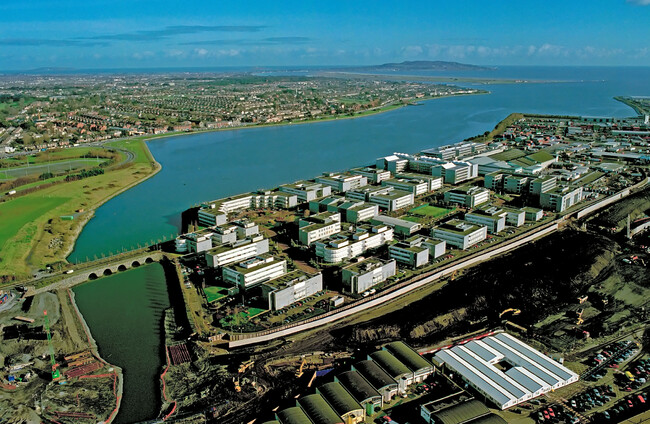
McAdam said sites such as EastPoint and Kylemore demonstrated the potential of underused land to deliver sustainable new urban neighbourhoods and well-planned housing growth.
Sinn Féin Councillor Daithi Doolan said that the council approved the rezoning of these sites because of a directive from the government that the council had to take action to support expanded housing delivery targets after the National Planning Framework was published last April.
“They wanted us to approve more sites, so the housing delivery targets could be increased by 50%, so we went back to the city development plan with no extra resources or staffing to see where we could do that,” Doolan said.
He added that the newly approved sites are in some cases currently being used for industrial purposes, and that this rezoning does not mean “that JCBs will be turning up tomorrow”.
“It doesn’t even mean that houses will be built in the next year or two, it means that if the private lands rezoned here came up for sale then whoever bought that land could propose to build residential units there,” Doolan further explained.
He said that in his view the challenge ahead is ensuring that these rezoned lands meet the housing needs of people in Dublin, “not just the profits of private developers”, and added that the focus should be on delivering social and affordable homes.
Doolan further pointed out that there is “enough live planning permissions today to deliver 12,000 properties” but that “nothing is happening”.
Overall the council approved the rezoning of seven employment-zoned sites that cover over 38 hectares, for residential and mixed-use development.
The rezoned sites are located at EastPoint Business Park, the East Wall Road site, the North Road site in Finglas, Shanowen Road site in Santry, Finglas Business Park, the Greenmount Industrial Estate in Harold’s Cross and lands at Fumbally Lane.
Under the government’s National Planning Framework targets Dublin City’s annual housing targets increased from 6,690 homes per year to 8,196, which meant that the council urgently needed to create additional capacity.