









IN SEPTEMBER 2023, as children across the country returned to school, Ireland was once again brought face to face with our shameful legacy of institutional child abuse.
The scoping inquiry into sexual abuse in schools run by religious orders identified 308 schools where nearly 2,400 instances of alleged abuse took place. A shocking level of abuse, we know it is the tip of the iceberg.
Again and again, brave survivors have come forward to disclose that they were abused. Shining an important light into a dark corner of Irish society, they have exposed horrors that should never have been allowed to happen.
We know that abuse was widespread in religious-run schools; survivors have lived with this fact for decades. Most Irish people my age or older will know someone who was directly affected. The scoping inquiry, the latest reckoning with that recent history, outlined the extent of the abuse.
For anyone who reads it, particular passages will haunt you. For me, the concentration of abuse in special schools sticks in my mind. Behind each statistic lie thousands of childhoods cruelly betrayed by those in positions of trust and power.
Addressing the past
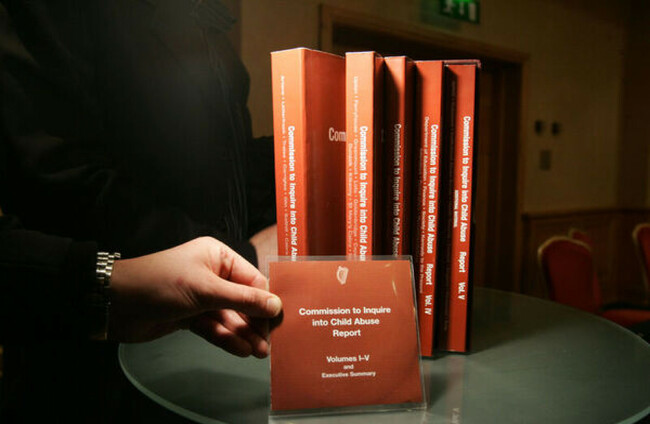
Periodically, Irish society is given pause for thought when we see the latest such report. We have had the Ryan Report, the mother and baby home report, and so many more. Each time, there are calls on the State to deliver justice to those affected, and rightly so.
Yet we know that those State redress schemes which have been introduced have had significant flaws. Victims and survivors are often retraumatised by inadequate redress processes or by their exclusion through the application of apparently arbitrary rules. Those mistakes cannot be repeated in the response to the scoping inquiry into schools; the response must be survivor-led.
However, if those State failures in redress processes are concerning, the attitude of certain religious orders has been far worse again. For years, religious orders have dodged accountability. Hiding behind complex legal structures, they have transferred their substantial property assets into the control of lay-run trusts, out of reach of the people against whom they enabled or facilitated perpetration of the worst crimes imaginable.
True accountability
In such cases, the lay-run trust holds all the assets, but they bear no legal liability for the abuse carried out by members of the religious order. Conversely, the religious order is liable to pay redress, but no longer owns sufficient assets to meet its obligations.
While there is nothing illegal about this grubby process, those religious orders which use such devices must answer serious ethical questions when they divest their assets in this way.
One of the first moral lessons any of us teaches our children, regardless of faith, is the need for contrition and honesty when we have done wrong. Can any of us say that the response of religious orders to historic abuse has embodied that principle?
Clearly, we cannot simply appeal to the moral or Christian duty of religious orders to ensure that their victims receive justice. The slow pace of action from that quarter, the avoidance of responsibility, and the legal obfuscations deployed all indicate the need for a stronger legislative framework to require adequate contribution to redress funds will be made by religious orders and their associated trusts. The time has come to compel religious orders to step up and pay their share.
Political will
On 25 June, this Thursday, the Dáil will debate Labour’s Civil Liability (Child Sexual Abuse Proceedings Against Unincorporated Bodies of Persons) Bill. Our Bill would enable the recovery of damages from the religious orders and the lay-run trusts into which the orders have often moved their considerable wealth. In short, those institutions that facilitated and perpetuated abuse in schools would be properly held to account.
No survivor should have to resort to the Courts to secure redress, but we know from experience that religious orders have been all too slow to engage and contribute their share.
The responsibility to make amends for past wrongs holds true for religious orders, just as it does for the State.
As the oppressive shadow of Catholic Church doctrine is lifting from the laws of the State, we owe an enormous debt of gratitude to the bravery of the Ryan Brothers, Colm O’Gorman and others – they and other survivors who came forward to share their experiences of abuse have already contributed to changing Ireland for the better.
Now, Ireland must deliver the justice they are owed.
Ivana Bacik is Labour Party leader and TD for Dublin Bay South.