








THERE USED TO be a marsh in the Gaeltacht village of An Spidéal where the birds would land. You could walk along the wall opposite Trá na mBan and see them. This piece of wild land extended into acres.
When I heard that a hotel was planned for this spot, I was not surprised. The land has panoramic views of Galway Bay and County Clare. The developer spent five years getting planning permission and eventually succeeded.
In the summer of 2022, it was the talk of the village: 81 rooms, dozens employed, summer jobs for teenagers, a new place to eat. It was just what the village needed.
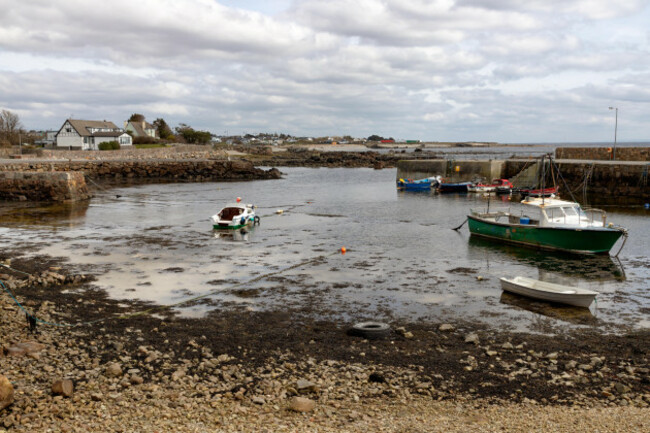
Soon, the machinery arrived and began to bulldoze the shrubs and trees, creating huge piles of rock and earth. The marsh began to disappear. The weeks went by, and then it stopped. The diggers and trucks left, but the rubble and earth sculptures remained. The marsh was more or less gone. Why had the building stopped? No one knew, and no one asked. Grass began to grow on the mounds of earth.
A year went by. I drove by the site on my way into Galway and glanced over for signs of recommencement, but there were none, so I stopped looking.
Maybe we have just got used to such mysteries. A short distance from the site, there is another strange monument to the sea: an abandoned hotel. For the 20 years that I have been living in An Spidéal, this building – Ceol na Mara – has been boarded up. I once heard a local business owner on Raidió na Gaeltachta complaining about what it was doing to the village. The owners painted it white, but the sense of dereliction remained. Last September, An Coimisiún Pleanála granted permission for the demolition of the hotel, to be replaced by a mix of retail and residential units.
We will wait and see, but that building is not the only dereliction in the village. A number of shops and houses on the main street have remained empty for years. One of the buildings was a music shop, and it still has the owner’s name over the shopfront, even though they emigrated seven years ago.
Meanwhile, parts of An Spidéal have never looked better. New ventures such as Stiúideo Cuan and the coffee dock Rúnda have opened up. The Builín Blasta café built an extension and is always busy; the craft shops are newly painted; and a bright mural in Irish has appeared in the village welcoming visitors.
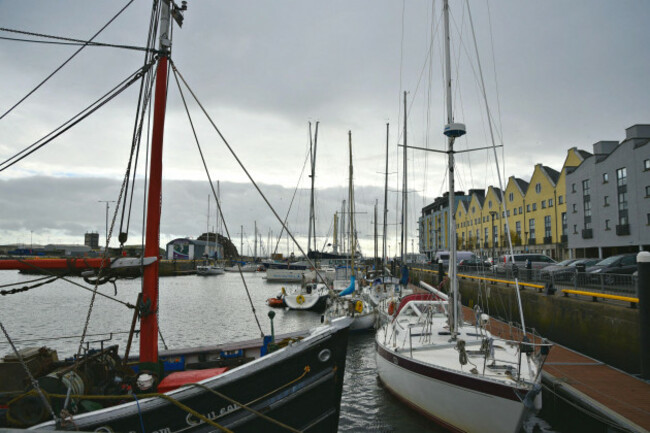
A media campus is planned for the old convent, and Féile John Ford began last September. Those initiatives speak to the potential of the village. The council also built a bridge over Abhainn Bhoth Loiscthe, allowing you to walk along the sea from Trá na mBan to An Chéibh Nua.
On a summer evening, if the sky gets a chance to stretch out along the beach, you don’t want to be anywhere else. There can still be a sense of magic in this famous village, where De Dannan was founded, where The Waterboys recorded Fisherman’s Blues.
A modern An Spidéal
But there is a deeper issue, something we are not yet talking about during this Galway West byelection campaign. We have no idea where this village is going. We observe private ventures on the horizon that may or may not happen. The Irish language is still here, but Irish speakers cannot afford to live here.
All three traditional music bars in the village have now closed, and the two local music festivals are gone. I don’t know if the 17 candidates in this byelection understand what has been happening. It was reported in The Journal that only four can speak Irish. Where is the deeper conversation about these issues?
More planning notices have appeared: One supermarket giant will build a 1,900-square-metre food store opposite the beach. Its distinctive, illuminated sign will be the first thing that visitors to the Conamara Gaeltacht see.
Is that what our language policies amount to now? Three years ago, the local community was brought together to pool their ideas on reinvigorating An Spidéal. I’m quite sure nobody suggested that we put a large supermarket outside it before trying to revitalise the village itself. But who is thinking about these things?
Our communities seem to move forward in an unfocused state, their ability to respond worn down by years of watching silent decline, their attention overwhelmed by online life. It is creating real-world powerlessness, and if you drive through Ireland, you will see it in the empty shopfronts and the silent towns.
There never seems to be time to talk about this during an election campaign, but there is a new kind of disconnection in Irish life, and we have got so used to it that we hardly ask any more.
We don’t ask because we don’t understand – how can we be connected and disconnected, empowered and powerless, at the same time?
A societal shift like this needs a new conversation, but if not during an election campaign, when? Meanwhile, locals in An Spidéal may think of the birds that used to land on the marsh and wonder where they go now.
Toner Quinn is a musician, writer and editor of The Journal of Music in Ireland.