





Most people reading this will know someone who has left Ireland. Many will have done so themselves. Some might still be overseas, reading the Irish Examiner to keep up with events back home.
From music, literature, and film to Irish presidential speeches, the experience of emigration is at the heart of Irish culture and identity.
But what of the people who made this journey in reverse? What were the experiences of people who moved to Ireland to make new lives for themselves, as opposed to those who followed the well-trodden path abroad in search of pastures new?
Immigration to Ireland is often thought about as a modern phenomenon. And it’s true that, over a short space of time, Ireland has become remarkably diverse.
If you are interested in this article then no doubt you will enjoy exploring the various history collections and content in our history hub. Check it out HERE and happy reading
Between 2012 and 2022, more than 400,000 people migrated to Ireland. There are around a million people born overseas living in Ireland today. That’s 20% of the entire population.
Immigration is not new
But as the recent release of the 1926 Irish census shows, immigrants were a part of Irish life almost from the moment independent Ireland was born.
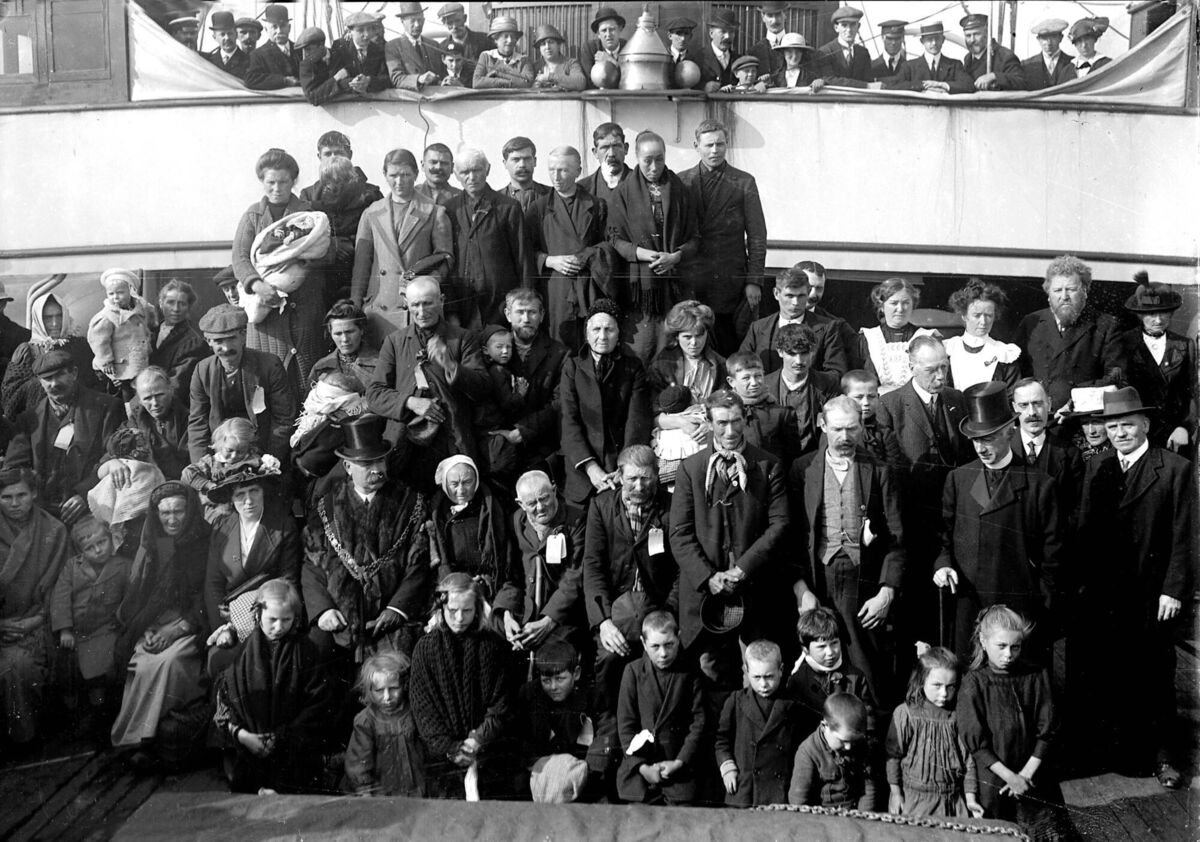
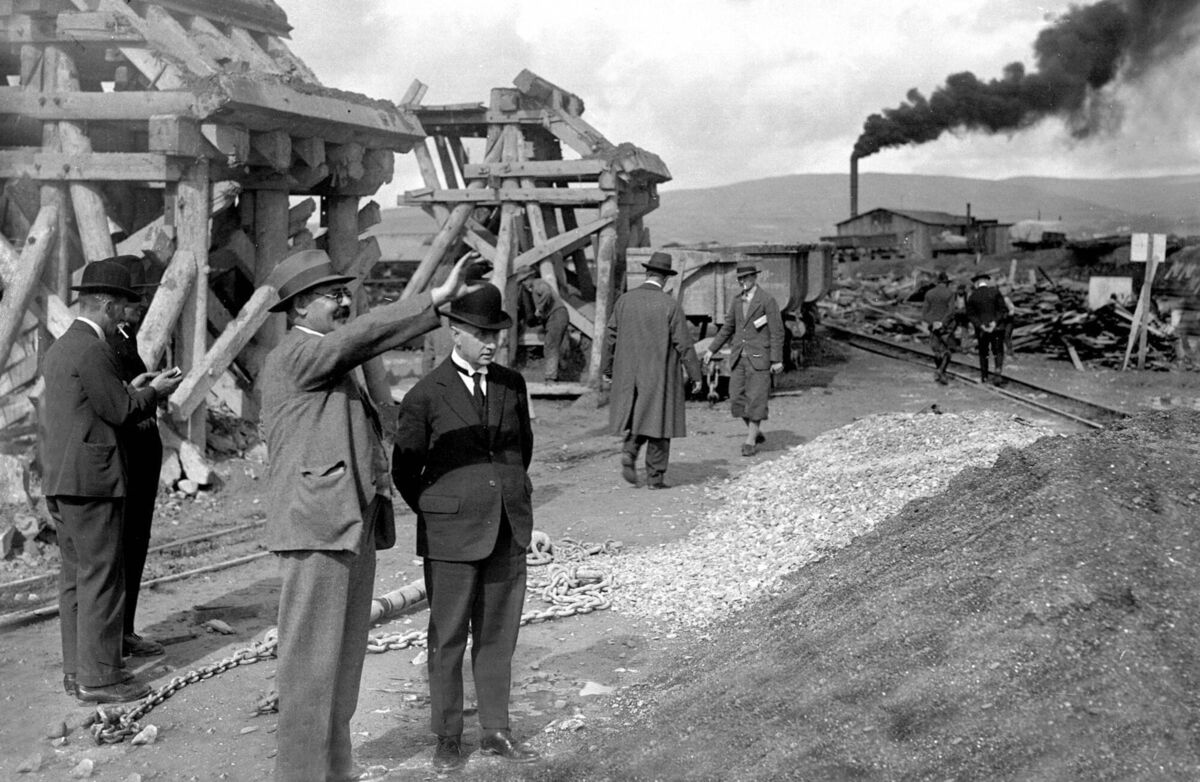
Immigrants were recorded making lives for themselves in pretty much every part of the Free State in the 1920s — from the Germans who moved to Limerick to work on a hydroelectric scheme, to the Egyptian sailors who settled in Cork, and the Polish immigrant who married an Irish woman and thereafter ran a hairdressers in Waterford.
As the century went on, university towns also attracted growing numbers of overseas students.
By the 1960s, there more than 1,000 such students studying across Ireland, many of whom came from Nigeria and elsewhere in Africa.
Having often formed relationships with locals, it was this period that saw the emergence of a small but significant mixed-race population in Ireland.
Hungarian refugees in 1956
Newcomers didn’t always have an easy time. In 1956, with Ireland having just become a member of the UN, the Irish authorities decided to accept up to 1,000 refugees from Hungary, where the Soviet Union was brutally suppressing a popular movement for democratic reform.
The Hungarians were housed in an army barracks in Knocknalisheen, Co Clare.
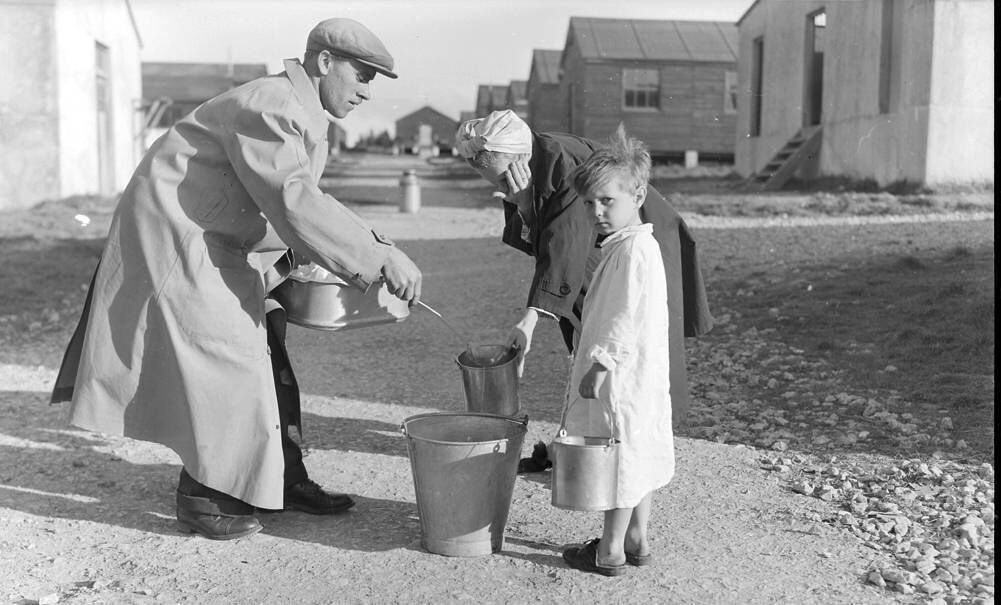
They initially received widespread support. Local priests welcomed them as anti-Communist Catholic crusaders.
But the authorities didn’t want the Hungarians to work or mix freely with the local population. They were banned from leaving the barracks, which were cold and damp.
The gardaí were called on to restrict their movements. Some of the refugees went on hunger strike in an effort to improve conditions. By 1959, most of the Hungarians had left Ireland for Canada.
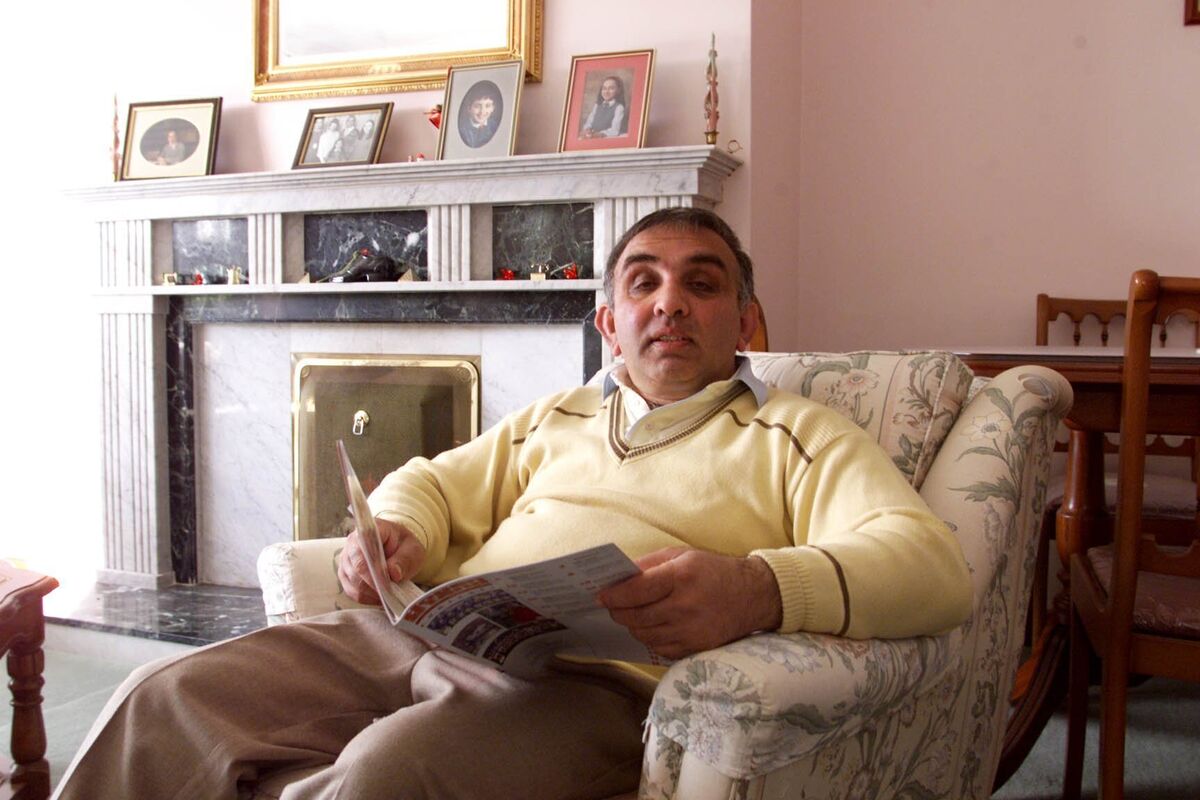
Such episodes didn’t stop migrants arriving with idealistic expectations of what life would be like in Ireland. In Germany, this was influenced by Irish Journal, the bestselling memoir by the writer Heinrich Böll that was published in 1957 and based on the time he spent with his family on Achill Island in Co Mayo.
Böll was one of the most famous writers in Europe. Irish Journal is his love letter to everyday life and customs in the West of Ireland, which contrasted with the hyper-industrialism of his native Germany. There are more than 11,000 Germans living in Ireland today. Such is the enduring influence of Böll’s writing, some live on Achill Island.
The biggest migrant group in Ireland has consistently been the English, who often had eccentric reasons for making the journey across the Irish Sea.
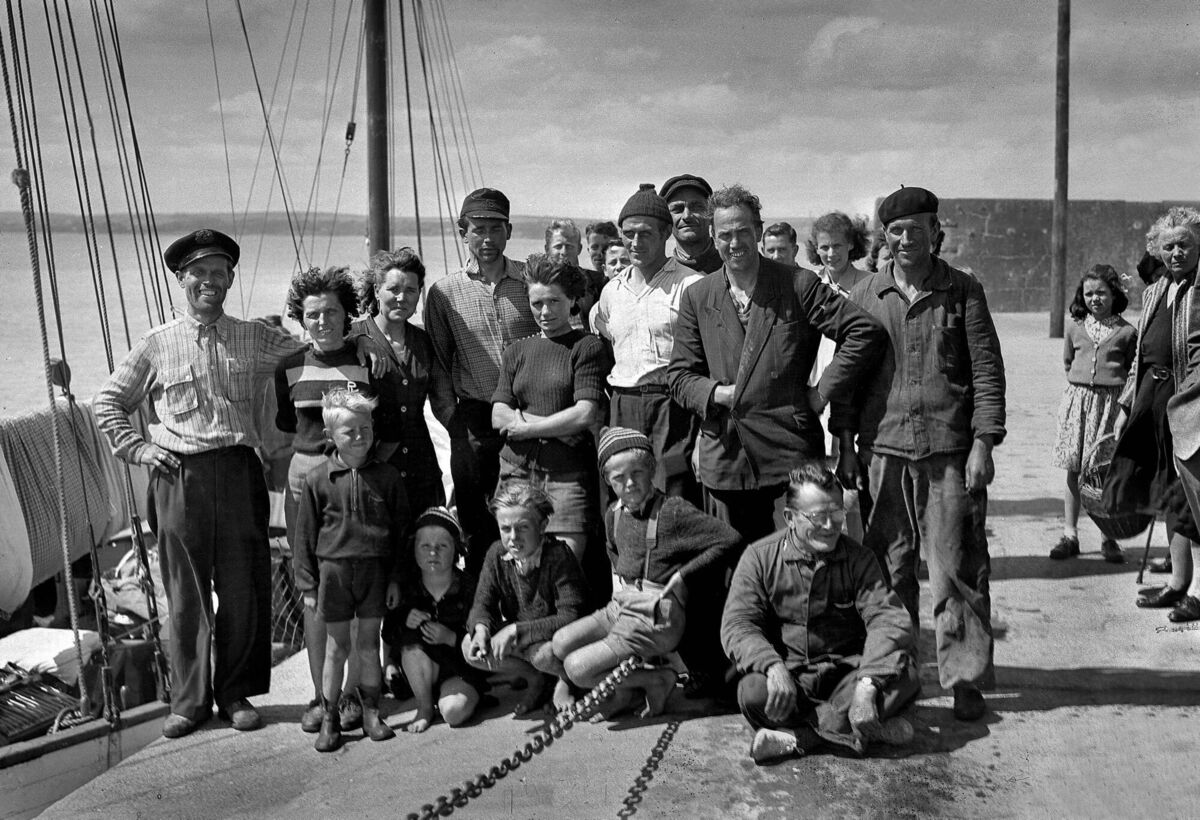
In the early 1970s, for example, a group of English hippies tried to set up a commune on the remote Dorinish Island, 60km south from Achill. Predicably, the venture didn’t last long. As one local resident put it shortly after the hippies left: “The only thing to have lived on Dorinish for a great number of years are the rats.”
Like their German counterparts, English migrants often had a romanticised view of Ireland. They were commonly looking for an escape from the harsh nature of life in Britain, particularly during the political polarisation that followed the election of Margaret Thatcher as UK prime minister in 1979. But their knowledge of Irish culture — never mind Ireland’s colonised past — was very often lacking, and unduly influenced by British news reports on the worsening conflict in the North.
Returning Irish and 'plastic Paddies'
By the 1980s and '90s, a growing number of Irish men and women returned to Ireland, having spent significant time abroad in Britain, the US, and elsewhere.
While this generation often struggled to re-acclimatise — something depicted powerfully in Colm Tóibín’s sequel to Brooklyn, Long Island — their children had it even worse.
Hyphenated Irish
With their foreign accents, this generation often found themselves dismissed as “blow-ins” in Ireland or — even worse — as “plastic Paddies”.
These kinds of complexities have become a commonplace feature of life in contemporary Ireland.
We have in recent years seen the emergence of “hyphened” Irish identities — Black-Irish, Asian-Irish, Polish-Irish, and many more besides.
Ethnic diversity is belatedly becoming a feature of Irish political life, too.
Galway West by-election
In the forthcoming by-election in Galway West, for instance, the Nigerian-born Labour candidate, Helen Ogbu, has a genuine chance of success.
But, for far too long, we have allowed the subject of immigration to be hijacked by the populist far right. This is not just about anti-immigrant rioting and protests.
High-profile immigrants in Ireland, particularly people of colour, increasingly find that they are subject to a torrent of online abuse.
Ms Ogbu’s staff recently said they spent 40% of their time blocking online racist abuse aimed at the councillor.
It’s not clear that the Government has a serious strategy for preventing the rising tide of racism. Neither is it apparent that much thinking has taken place about the demands that are likely to be placed on the State in areas like education as migrant communities become increasingly established.
It’s indicative of the stasis here that the Knocknalisheen barracks that was used to house refugees in 1956 is still being used for the same purpose today.
Depressingly, conditions there remain as grim as they were 70 years ago. A recent report describes the rooms as mouldy, cramped, and unhygienic.
I am determined to shine a light on the many stories there are to tell from 100 years of multicultural Ireland, from partition up to the present day.
In the coming years, as part of a major new research project on the subject, I will be trawling through the archival records that will help tell these stories: Census data, newspaper reports, planning applications and university archives.
But I also want to speak to people about their own experiences of immigration to Ireland — whether they are migrants themselves, or their parents or grandparents moved to Ireland at some point over the last 100 years.
To reclaim the subject of immigration and diversity in Ireland from the far right, we need to treat the experiences of immigrants and their descendants with the same respect we commonly afford Irish emigrants abroad.
The story of multicultural Ireland has not yet been told.
But now more than ever, it is important it is heard.
此内容由惯性聚合(RSS阅读器)自动聚合整理,仅供阅读参考。 原文来自 — 版权归原作者所有。