


On June 28, 1876, Lady Louisa Mount Cashell, youngest daughter of Stephen Moore, 3rd Earl Mount Cashell of Moore Park, Kilworth, Co. Cork faced her greatest ordeal.
Louisa was supported in court by her aged father, then the longest serving peer in the House of Lords; both had to be affected by the fact that a wife and mother lay dying at home in her palatial mansion in Kilworth.
Louisa took her place in the sweltering heat of a packed courtroom of 'gentlemen'. They were admitted by ticket only and many more sought to gain admittance only to be rebuffed by the police.
Everyone wanted a piece of the story that was heralded as the most sensational case of the century. The 'Morgan v Morgan' divorce case did not disappoint.
Crucial to the public’s interest were the two main players, Lady Louisa Mount Cashell (aged 43) and her husband, Captain Richard Spread Morgan of the Cork Artillery, once described as 'Lord of the Manor of Bridestown'.
If you are interested in this article then no doubt you will enjoy exploring the various history collections and content in our history hub. Check it out HERE and happy reading
The 50-year-old captain, son of a magistrate, sought the divorce on the grounds of adultery and cruelty. They had three daughters and at one stage during the trial he hinted that he doubted his youngest daughter was actually his.
Both sides were represented by the cream of the Irish legal profession, all eager to make an impression as they were conscious that the eyes of the world were watching.
For the duration of the trial, Louisa was the only woman present in a courtroom of 'gentlemen' and the police were present each day to prevent access to others. Louisa was no doubt conscious that were she to lose this historically unique case, she would also lose her three children and any property rights she might have.

At the time, wives were essentially possessions of their husbands and Louisa would have been aware of what had happened to other women who lost everything in previous high-profile divorce cases.
Not only that but she was well aware that her sister, Lady Helena, had lost custody of a child to her husband, a clergyman, some years before.
The divorce case
What evolved over a number of days in the Dublin Matrimonial Court had the country and the empire transfixed. It had everything: class, money, power, religion, taboos and sex. A voracious public lapped it all up.
In what was perhaps an unintended reflection on the urban rural divide, it was suggested at one stage during the trial that newspapers be kept hidden from women in rural Ireland because of the salacious reporting.
As the trial opened, Judge Warren decided that the cruelty aspect would not be dwelt on and the case would essentially rest on Richard's claim relating to adultery by his wife. Four men were specifically cited, two gentlemen and two commoners.
Henry Bacon Julian was a prominent Cork solicitor, and William Vincent was a Limerick businessman while Mangan, a groom and Fleming, described as "a dog boy and fisherman" made for a conveniently chosen balance in terms of class.
It was pointed out by Richard's legal team that, while there might be some understanding around Louisa's involvement with men of class, it was reprehensible that she would consort with men of the calibre of Mangan and Fleming.
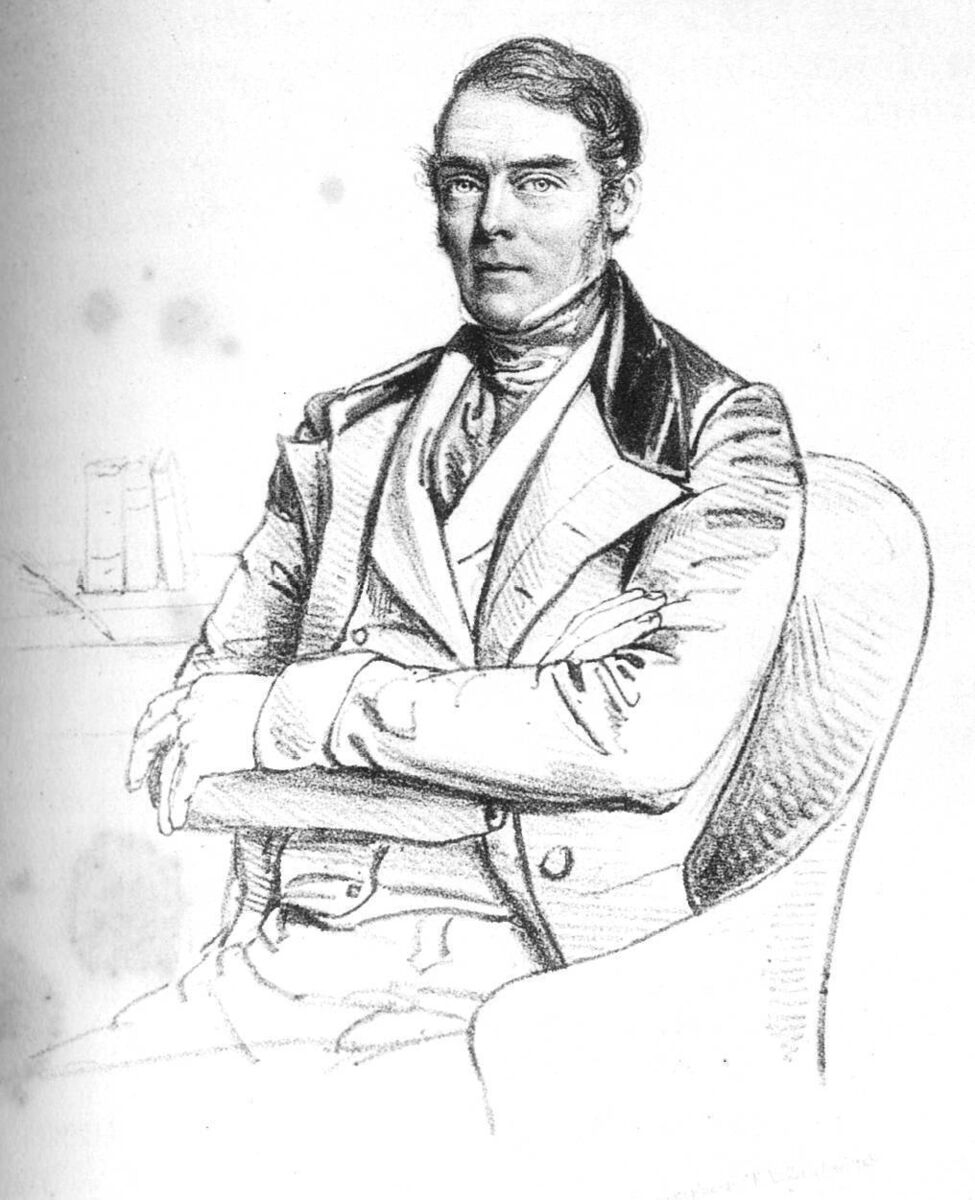
Ironically, a reference by the judge in his summing up to a witness statement about Mangan was to play a significant part in the outcome of the trial.
Richard's team, perhaps confident of a clear cut outcome to the case, chose as witnesses servants and others of the lower classes while Louisa's team depended on those of property and influence. They even persuaded Richard's sister, Sarah Morgan Westropp, to testify against him.
Court testimony
Though the judge had decreed that cruelty would be excluded from the proceedings, it was bound to emerge as a significant factor, and it did.
For example, Richard claimed that his wife had "pulled his whiskers, threw his shirts out the window, pointed a loaded gun at him, sold his clothes and struck him with a chair, and frightfully announcing on one occasion, these children are not yours." Some of this litany was greeted with laughter from many of those present.
Louisa's evidence of what she had endured elicited a more sombre response. She instanced having to leave home with her children on numerous occasions, seeking shelter with friends and once in a windowless shack.
Numerous examples of Richard's cruelty to herself and the children were given, culminating on one occasion with him shooting her pet dog as she helplessly watched. Examples like these brought gasps of astonishment from those present.
One piece of evidence was judged too inappropriate to be reported, and it was written down and passed to the jury for their eyes only.
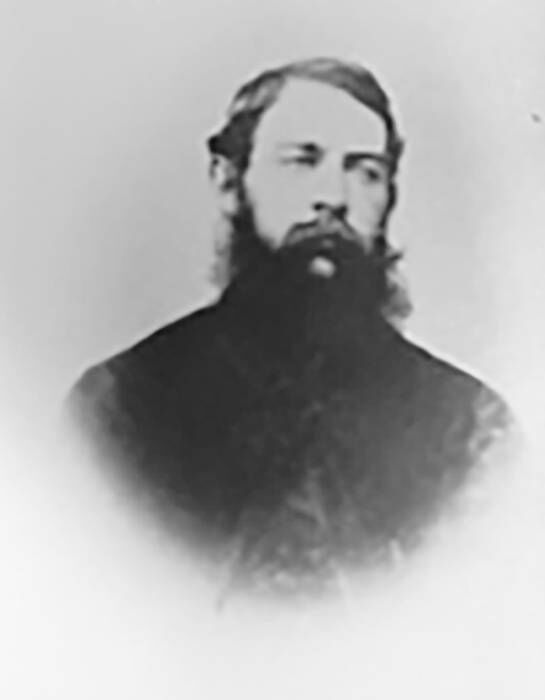
In the dock Richard was flustered, distracted and contradictory in his answers. Under relentless and forensic questioning by Cork solicitor James Murphy, he struggled desperately to impress and to some extent he was his wife's best witness.
Not lost on anyone was his troubled and troublesome past. Ten years previously he and his brother had inflicted a severe beating on William Stopford Hunt, an Irish cricketer, in retaliation for a perceived slur on Louisa. Both were sentenced to two years in Cork prison.
Richard literally went mad, was declared a lunatic and was sent to Dundrum Asylum in Dublin for a number of months. He emerged a bitter and broken man and some time after his release Louisa and one of her daughters were forced to flee to England for two years.
By contrast, Louisa, to use a modern phrase, 'played a blinder'. Keeping in mind that she was a lone woman in a courtroom of men, she gave a very impressive performance while cross-examined "with a ruthless brutality".
She was described as "impure, corrupt, licentious, gross, degraded, intoxicated.... devilish and sensual in her character".
At times she was definite and unequivocal in her responses while at others, especially when her children and her mother were referenced, she was emotional and distraught. At such times the judge allowed for breaks, allowing her to regain her composure.
Judge's summary and verdict
After days in the dock, Louisa awaited her fate. In summing up, the judge commented on one example from all the evidence presented.
The local Kilworth blacksmith named Fanning claimed in evidence that one summer he and his wife had been walking in Moore Park when they came upon Louisa and Mangan in what was reported as "an indelicate position".
On being discovered, according to the blacksmith, Louisa threatened him with a blunderbuss. Judge Warren told the court that in his view, had such an event taken place, not only Kilworth but "the whole of county Cork would have heard it". A significant remark.
The jury took a few minutes to reach its verdict. Louisa was found not guilty of adultery with each of the four men and despite the judge's warning, loud applause greeted the result and Louisa "wept bitterly".
Word quickly spread outside the court and Louisa emerged to be greeted by a wildly cheering crowd. To celebrate her victory, efforts were made to unyoke the horse from her carriage and attempt to manually pull it to the Gresham Hotel.
Louisa's historic victory was bittersweet as her mother died the next day. Her father and her older sister, Lady Jane, were prominent in seeking to advance the rights of women in the years that followed through petitions to parliament around education.
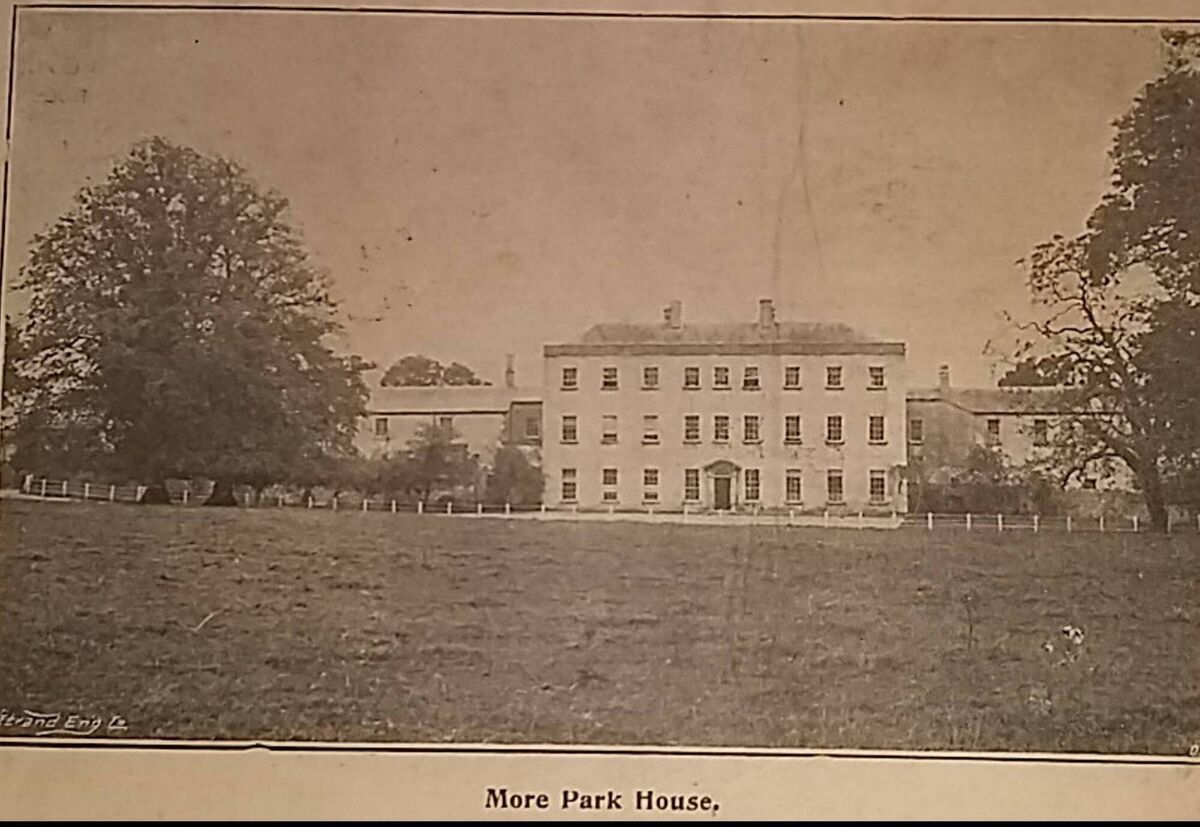
Ten years after her historical victory, Louisa died of cancer and is buried just across the road from what was her unhappy home in Kilworth.
Remarkably, for a woman who was the centre of the world's press 10 years before, there was no mention of her death in the press in May 1886.
此内容由惯性聚合(RSS阅读器)自动聚合整理,仅供阅读参考。 原文来自 — 版权归原作者所有。