





Dr Enda Barron remembers wading through rats to reach a patient in the clutches of a terrifying mental health battle.
For most it would be a grim memory, but the GP is known for treating Dublin's homeless community.
He is not just prescribing medicine, but also hope.
The patient he speaks of is no longer surrounded by rats but rather the comforts of a warm home.
After being referred to hospital by Safetynet Primary Care (SPC), he is now back on his medication and living independently.
Some might say he owes his life to the organisation which provides free, accessible healthcare to people across the country experiencing homelessness, poverty, and or social exclusion.
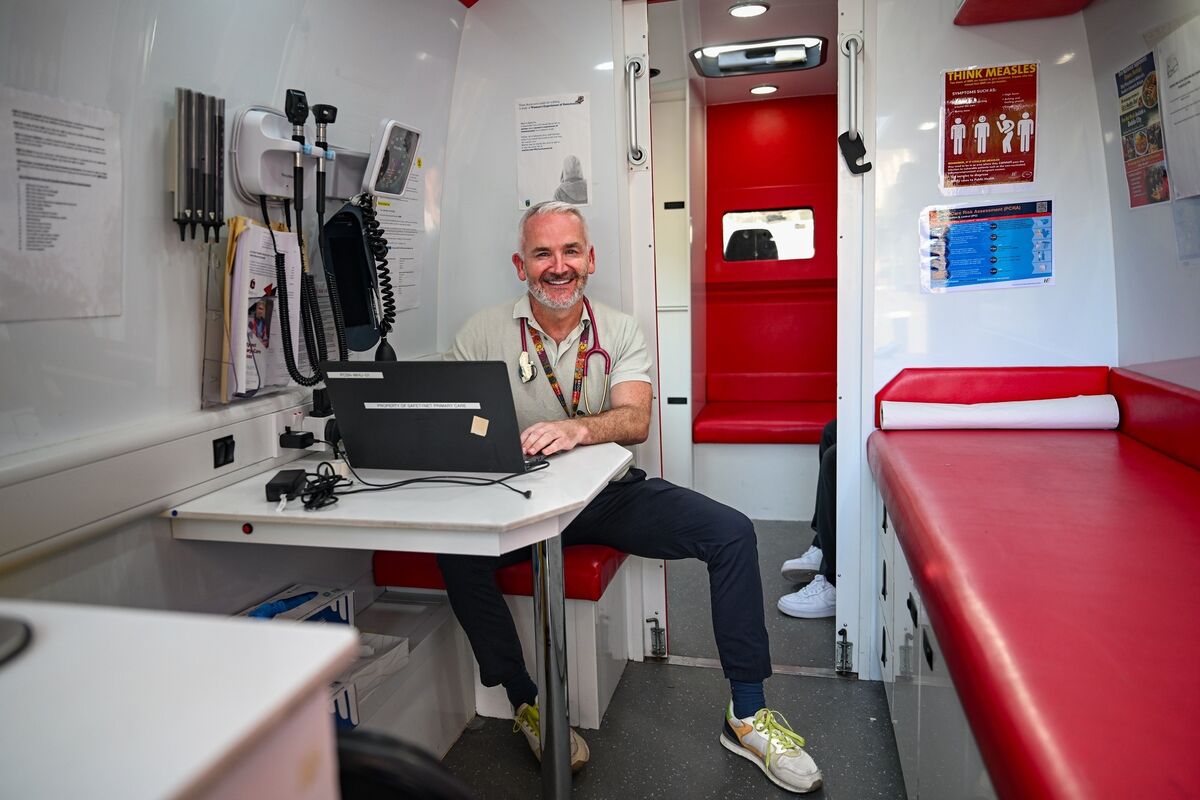
The mobile clinic operates three times weekly, offering help to those who have fallen through the cracks of mainstream healthcare services.
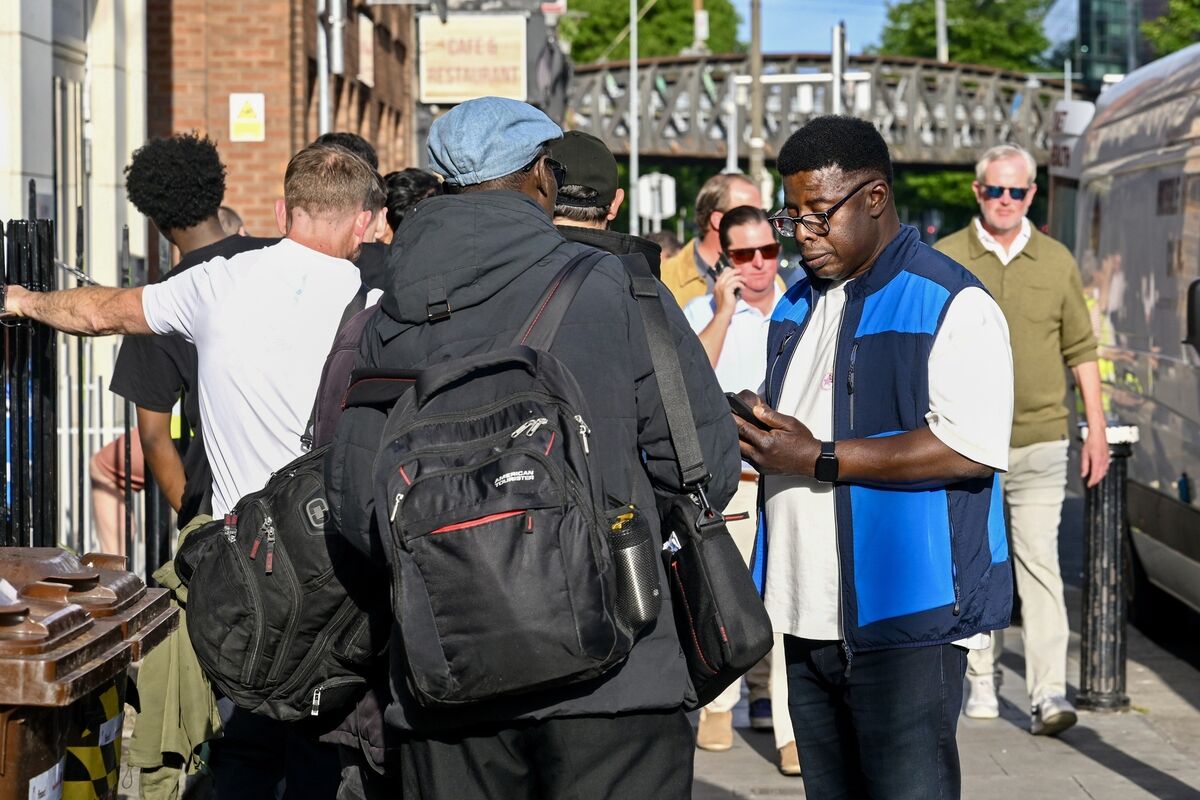
This evening’s pitstop is Tiglin at the Lighthouse, a café for the homeless and outreach hub based in the heart of Dublin.
The team often demonstrates that something as minor as treating a cough or cold can lead to recovery in other areas too.
For some, the GP’s appointment marks the start of a withdrawal from drugs or alcohol.
Nonetheless, health professionals with SPC are mindful to provide patients with the time and space to make their own decisions.
While GPs and nurses are kind enough to signpost them to rehabilitation services, they ultimately reserve judgement.
Often, the most favourable outcome is harm reduction or a slightly more comfortable — if still bleak — quality of life.
Dr Barron spoke with the Irish Examiner as he prepared for his first patient.
“People living on the streets face so many more challenges than your typical patient.
"For example they might return to their tent to find everything has been robbed including their medication. I deal with people coming to me with rat bites all the time. I’ve had to manage my fear of rats for sure, because I see so many of them.”
A non-judgemental attitude has always been important to the frontline worker.
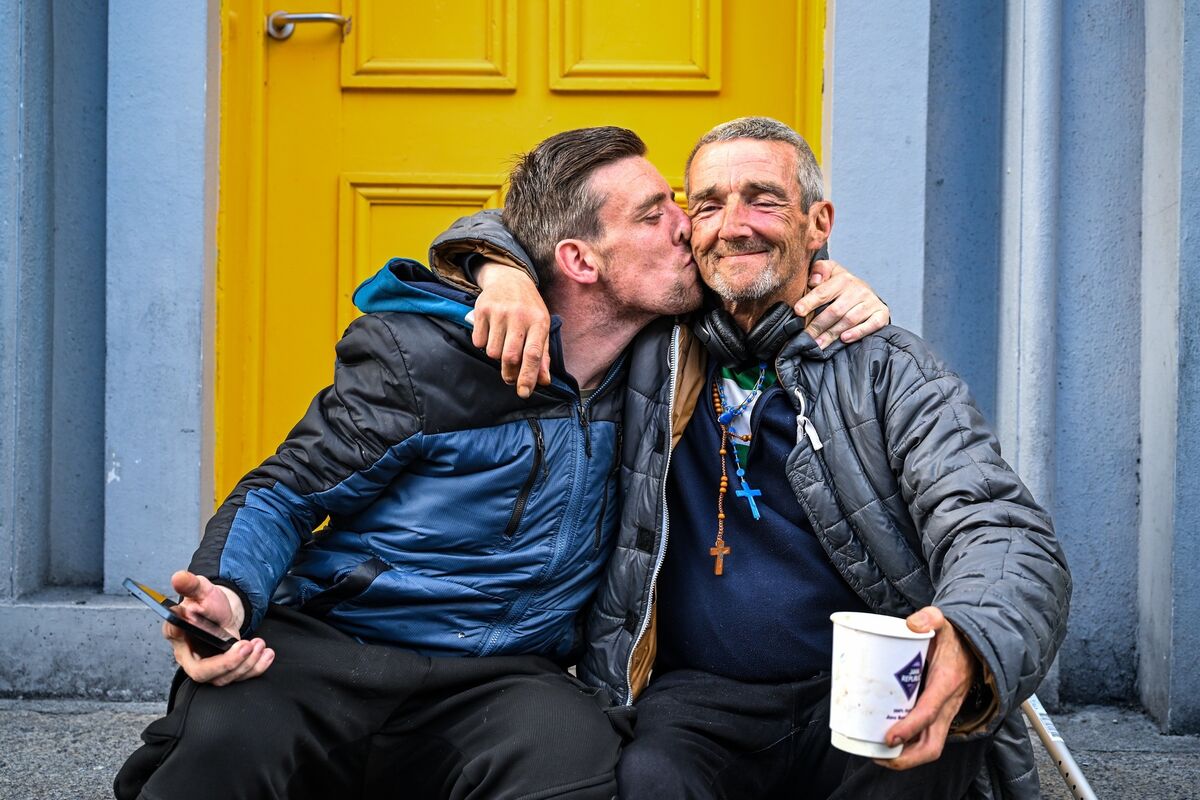
“A lot of people progress in really little steps. You have to acknowledge that someone going from injecting heroin to smoking it is a really good outcome because this has less of an impact on their health.
"There is less of a likelihood of them getting hepatitis or HIV. There are also people with chronic and enduring mental health issues who, if we get them on the right psychotic medication, can get really well again.
"We can get them into housing and into work."
In his experience, when it comes to addiction, relapse is part of the journey.
"You just have to accept the fact that this is going to happen. What I want is for people to be comfortable enough to tell me when they have relapsed so we can work on it instead of trying to hide it," he says.
"If people are honest we can just start again and go from there. It’s around developing trust and a bit of banter. The important thing to remember is that we never give up on people."
He says his attitude to life is that this could happen to any of us.
"I come from a household where two people were working. I took for granted the stuff that many other people don’t have but not everyone had that start in life.”
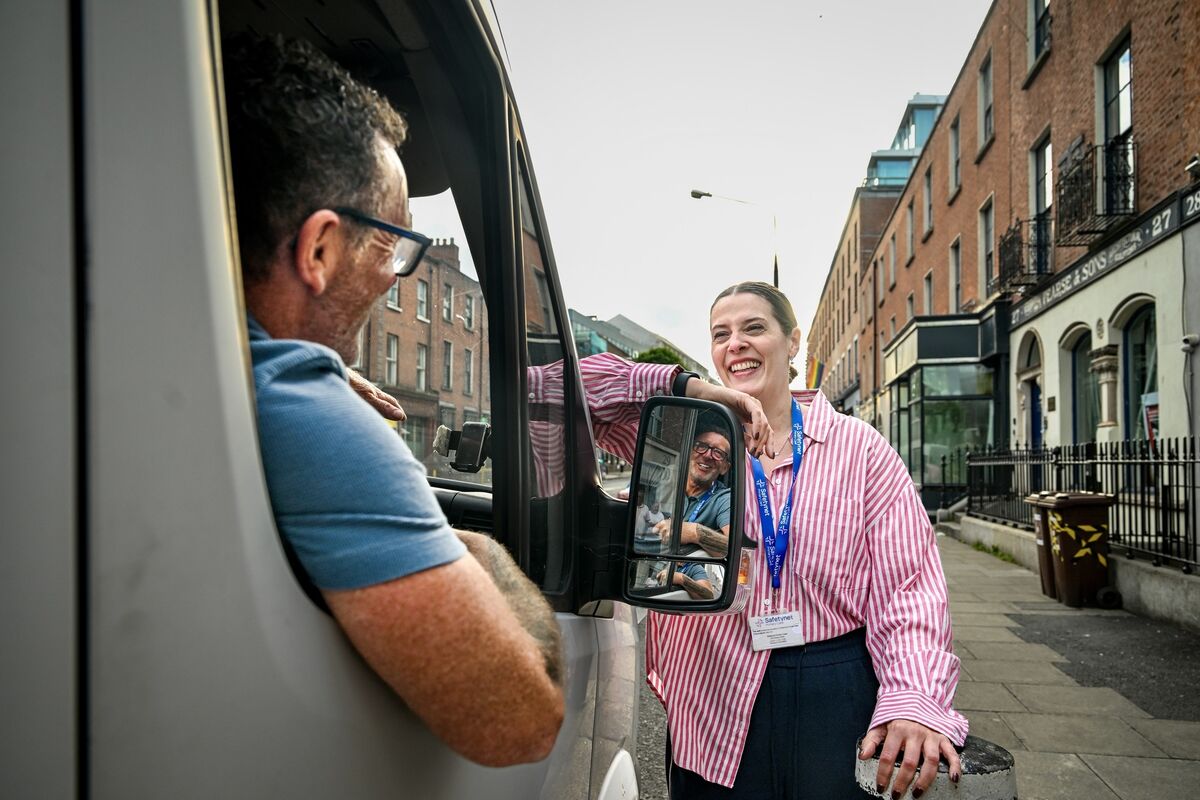
Safetynet Primary Care has a sharp focus on positive mental health.
“When it comes to mental health and homelessness it’s difficult to work out which comes first. Obviously, homelessness is going to have an impact on people’s mental health.
"Sometimes people’s mental health results in them losing their homes or stable accommodation.
"Chronic disease management is another big issue. If you are smoking crack cocaine or heroin then your lung health is going to be really poor."
He said a lot of people smoke cigarettes on top of the crack cocaine making managing their lung health even more important.
"Injecting can result in abscesses. It can also cause chronic ulcers which have to be kept dry and dressed. We have amazing nurses such as Marguerite who does the dressing clinics in Merchants Quay.
"The Liffey Drugs project do dressing clinics every day so people don’t have to book or keep an appointment. They can just turn up.”
Health issues are often not viewed as a priority among the homeless community.
“It’s about trying to prioritise people’s health when they are not in a position to prioritise themselves because they if you are living in a tent, access to Antiretroviral (ARV) Therapy (for HIV/AIDS treatment) or to long-term medication for chronic disease management isn’t going to take precedence.
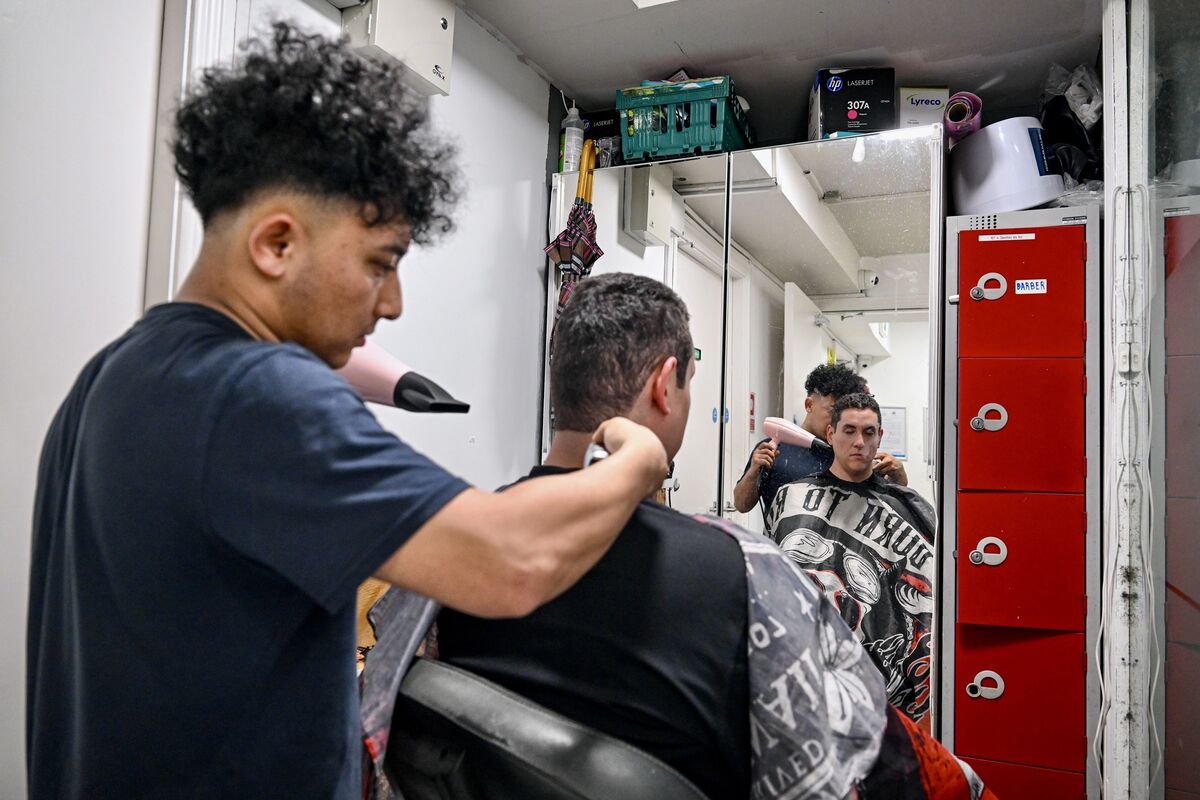
"This raises questions around how we keep people safe and how we manage this. How do you make sure this person is not being robbed or ensure that they have access to their medications and specialist care?”
The GP said that sometimes patients just need to talk.
“Even if they have just come in to moan I’ll let them and remind them that I’ll be here next week and I’m not going anywhere," he said.
"There is always somebody else with me such as a nurse or a project worker. I can read people so I normally know when someone’s coming in if they are a little agitated or aggressive.
"We are trained to manage conflict situations while remembering that people are coming from a background of trauma.
"Someone shouting at me or calling me names might just be their normal language. I can’t get insulated.
"That’s just them expressing their emotions because they haven’t been given the tools to channel them in a healthy way."
He says people who get angry can be living in horrendous situations especially such as those who are rough sleepers.
"It can be shocking sometimes. Even if they just need a rant I will happily listen.”
Reproductive health plays a major role in the work of Safetynet Primary Care.
“Women’s health is a significant issue. If you are looking at issues like contraception there are a lot of challenges. Having to take an oral contraceptive pill every day is not ideal if you’re homeless so having access to the injectable contraception or Intrauterine devices is vital.
"We have a women’s only clinic near Holles Street where people can be filtered in for smears and pregnancy management.
"We do have young women who are pregnant and rough sleeping. The accommodation is there but they don’t always want to leave their partner. It’s about trying to manage that in the community and give them the best care they can possibly access.”
The team also tries to promote healthy habits such as regular GP visits.
“There is always a power imbalance when you are linked into any kind of a service. It’s like when I go to the mechanic with my car. I am completely at the discretion of the mechanic.
"I always take this into account when thinking about the patient’s experience. If a patient hasn’t turned up to an outpatient appointment or taken their meds there is no judgement.
"If this is the case then we just start from day one."
He say a patient might come in saying they can’t sleep.
"I’ll then be able to have a conversation with them about whether they are taking their medication for HIV or another condition. It’s really about trying to incorporate an overall general conversation about their health.
"One of the main aims is to keep them out of A&E, especially during the winter period when all the respiratory infections have the potential to cause serious harm to people with conditions like COPD.”
Robbie Byrne, team lead at Tiglin's Homeless Café at the Lighthouse is living proof that recovery is possible.
Just eight years ago he availed of the service while addicted to heroin.
“I run the service for the night now,” he said of Tiglin's Homeless Café.
“Eight years ago I was a heroin addict. That was my life for 33 years.
"It was in this building that I was given my life back. I met a guy who I had previously used drugs with. I thought he was dead because I hadn’t seen him in a while.
"It turned out that he had just got away from addiction but my first thought was that the drugs had killed him.
"As soon as I saw him I made the decision to get my life back together. That was when I came here to volunteer.”
Robbie has experienced the benefits of the Safetynet Primary Care firsthand.
“I used the Safetynet van when I was on the streets, even if it was just to get a wound dressed.
"When you are addicted to heroin and caught up in that life you stop caring. You don’t care about your body. It’s only when things get really bad that you realise how vital the service is.
"I have about six or seven enquiries a night from people asking me when the van is here. They could have anything from a common cold to an ulcer on their leg."
He said people coming from war torn countries sometimes have gunshot wounds that have been infected.
"Safetynet can treat them there and then or tell them that they need to go to hospital. A lot of people on the streets don’t have money. If you have no address then it’s difficult to access a medical card or prescription.
"If someone has a problem then Safetynet can have a prescription ready in the morning. It might only be a couple of euro for a prescription but not everyone has that Safetynet can pay for it. This can make a huge difference to someone’s day.”
Robbie reflected on his recovery to date.
“I never thought that I’d have the life I have today. I have my children back in my life and my family. I have a partner who is amazing. I have a home.
"The biggest thing to happen to me was signing off social welfare and paying taxes, something that I never thought I would be capable of doing.
"At 46 I thought I was at the end of my life but I don’t see it that way today. My children didn’t want to know me before because I promised them so many times that I would get my life together.
"Now, even if my sons are walking down the street with 10 people they will still run over to talk to me and say “I love you dad".
"These might seem like little things but I never thought they would happen to me. Some of the people who come in here I once lived with on the streets. I often remind myself that I am one of the lucky ones.”
Joanne — not her real name — is a current patient with Safetynet Primary Care.
At just 23 years old she is couch surfing due to a lack of accommodation.
“I’ve been homeless for nearly four years now,” she told the Irish Examiner. “The van is really helpful when you’re sick because instead of having to go to A&E and wait for hours you have someone who can sit down and listen to you there and then.
"I don’t like to wait around and I tend to just stick any health issues out. However, it’s difficult when you have a health issue that has been going on for a long time.
"I’ve spoken to them about my mental health and they have recommended services I can access. Life without the service would be much harder. It’s very difficult to get healthcare when you don’t have an address but with Safetynet my prescription is there the next morning.”
此内容由惯性聚合(RSS阅读器)自动聚合整理,仅供阅读参考。 原文来自 — 版权归原作者所有。