








Earlie this year, I took on Dry January and won. Besides having more money in my pocket and less pain in my head, one of the things that stood out was what I described in my Irish Examiner article as “a noticeable decrease in my levels of anxiety”.
Yes, I still worried about the same things, but the signs of anxiety — tension in my body, mild palpitations or stomach pain — were simply not as strong.
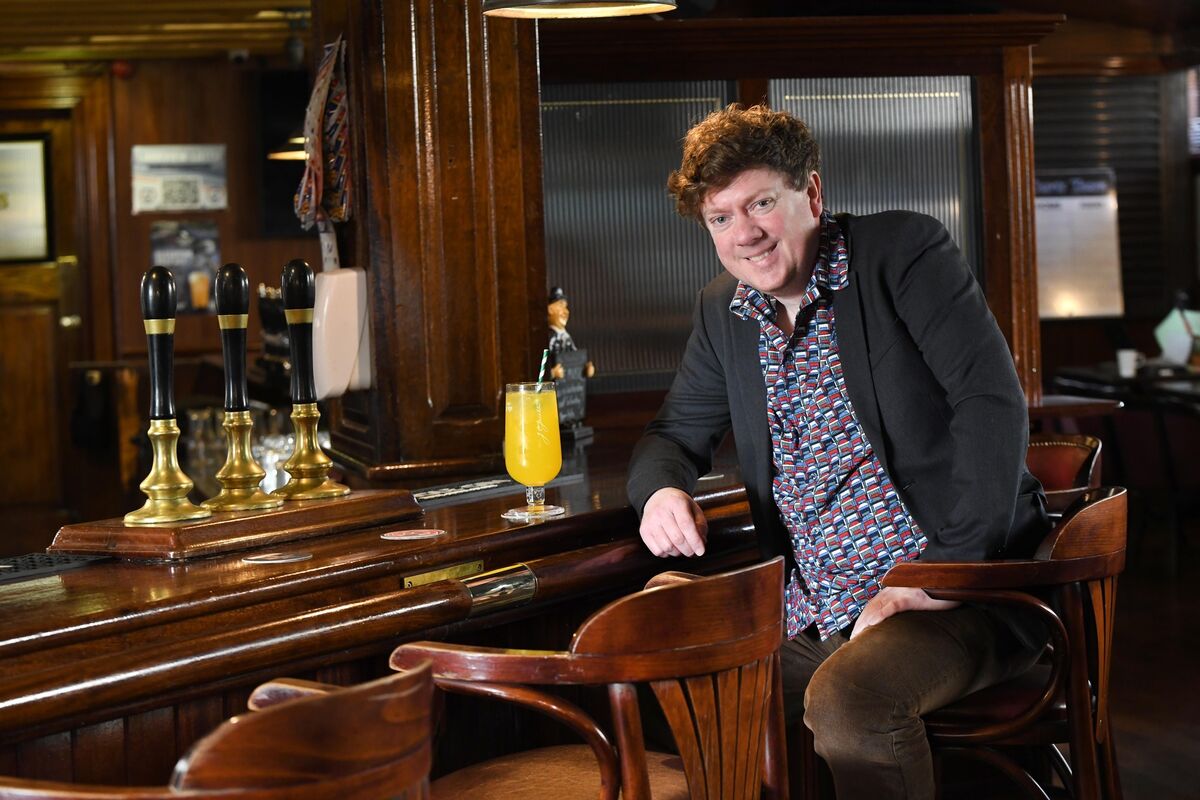
For many Irish people, alcohol is associated with relaxation. After a busy week of work and running kids around, the first thing we reach for is that bottle of wine or the opportunity to get out for a few scoops. Advertising around alcohol drives that narrative; it is fun, it is sociable, it is the substance we imbibe before we take a deep breath and let all that stress go.
According to the Drinkaware Barometer 2025, three in 10 Irish adults who drink do so to cope. Coping motivations are twice as high among the youngest adult group (18-24 years), at 56%. Additionally, 21% of those surveyed drink alcohol ‘to cheer themselves up when they are in a bad mood or stressed’, while 18% ‘drink to forget about problems’.
“Society seems to encourage drinking more when you’re feeling bad, to drown your sorrows,” says psychiatrist and vice chair of Alcohol Action Ireland, Prof Bobby Smyth. “So some of that colloquial narrative that we have in Ireland is quite unhelpful. It tricks us into thinking that it’s our friend when, particularly when you have mood struggles, it’s really your enemy, unfortunately.”

While the short-term effects of alcohol tend to be a reduction in anxiety and a loss of inhibition, there is, more often than not, a price to be paid later on.
“It’s a bit like going to a money lender,” says Smyth. “You’re suddenly flush with cash for the day, but then you have a debt to pay the next day. Essentially, you’re squeezing the happy chemicals out of your brain in an accelerated and artificial manner, and there aren’t enough left over the following days.”
According to the HSE, alcohol increases brain chemical activity. Chemicals such as serotonin and dopamine can make you feel relaxed and upbeat in the short term, but as the alcohol leaves your system, brain chemical levels drop, which can lead to low mood or anxiety.
Much of how alcohol affects the body is through a part of our nervous system referred to as the hypothalamic-pituitary-adrenal (HPA) axis. This is the body’s primary, long-term stress response system, and it controls many of the hormones in our body.
“In the short term, when we consume alcohol, our nervous system experiences what’s called an inhibitory response through a neurotransmitter called GABA,” says Dr Rory Coyne, postdoctoral researcher at the Department of Health Psychology in RCSI.

“It’s like a brake pedal that keeps your thoughts, emotions, and nervous system from going too fast. When you drink alcohol, that brake is pressed down hard, and brain activity slows down. This causes the initial feelings of relaxation, reduced anxiety, and lower inhibitions.”
However, this effect is generally transient. “As the alcohol wears off, we tend to experience an opposite, rebound effect with an increase in excitatory activity, partly due to changes in another neurotransmitter called glutamate. This can lead to an increased stress response in our bodies, which can result in a lot of the symptoms of what we might call hangxiety,” says Coyne.
Researchers have found a reciprocal relationship between depression, anxiety, and drinking. People who drink more tend to have a poorer mood, while people with a poorer mood tend to drink more. It’s easy to see how this can become a vicious and ultimately lethal cycle.
A study conducted by Celine Larkin and colleagues at the National Suicide Research Foundation and published in the journal Crisis in 2017, found that between September 2008 and June 2012, alcohol was detected in the toxicology of 44% of 307 suicide cases analysed in Cork. Alcohol consumption was noted in the case notes in 21% out of 8,145 self-harm presentations. While this research focuses specifically on suicide, it highlights the serious effects of alcohol.
“The relationship between alcohol and anxiety is quite complicated, and it’s what I’d describe as bidirectional,” says Coyne. “Someone who is more naturally prone to anxiety might be more prone to turn to drinking as a coping mechanism, particularly in social situations, and that can exacerbate a lot of the symptoms they might experience in the aftermath, regardless of how much alcohol is consumed.
Sensitivity to anxiety is often a risk factor for problems with substance use, and the other side of that is that alcohol can increase anxiety over time, particularly with heavy or binge drinking. With moderation, it’s not as prevalent.
Sleep disruption is also a major factor. Many people say that alcohol helps them to nod off, but the effects of even a small amount of booze on their sleep can impact their mood over the following days.
“I drink,” says Smyth. “And if I have even one or two, I notice that my baseline heart rate will increase at nighttime, and my sleep will deteriorate. That’s with very little alcohol. Sleep quality tends to decline. When we’re not sleeping well, whether that’s related to alcohol or not, our mood will often be worse the next day.”
Though the strength of a hangover can vary based on genetics, body weight, hydration, and what you’ve eaten, there is no magic remedy for hangovers or related hangxiety and the consensus seems to be that it will catch up with you eventually in some capacity.
“The simplest advice is to have the intention of just drinking less,” says Smyth. “Don’t get caught up in rounds, set a limit and try to have a no or low alcohol drink on the night.”
此内容由惯性聚合(RSS阅读器)自动聚合整理,仅供阅读参考。 原文来自 — 版权归原作者所有。