








A Roman-era mummy in Egypt was just found with part of Homer’s Iliad tucked inside its abdomen. Nobody had ever found anything like it before—and the archaeologists who discovered it are only beginning to understand what they’re dealing with.
Written on papyrus in Greek, the text records part of Book 2 of the Iliad, which details the legendary Trojan War. Specifically, the text lists the ships used against the city of Troy, according to a statement from the University of Barcelona. It would have been placed inside the abdomen during the embalming ritual.
The mummy dates to a time when the Romans controlled Egypt and was found at a tomb within a cemetery in the modern-day town of Al-Bahnasa, known in ancient times as Oxyrhynchus. The site has a long, rich excavation history. In the late 19th and early 20th centuries, archaeologists recovered around 500,000 papyrus fragments from the area alone.
So, papyri inside mummies aren’t unheard of. What makes this one different is what was written on it. “The discovery is exceptional: it is the first time in the history of archaeology that a Greek literary text has been found deliberately incorporated into the mummification process,” the University of Barcelona statement noted.
Co-directors of the archaeological mission, Esther Pons Mellado and Maite Mascort, told Live Science that during the Roman period in Egypt, placing papyri inside mummies—in the chest or abdomen—was common practice, though it remains unclear why ancient Egyptians believed papyri would protect the deceased. Papyri found inside mummies are typically magical texts. Finding a passage from one of the foundational works of Western literature in that same context is, to put it plainly, a first.
Linguistics professor Ignasi-Xavier Adiego of the University of Barcelona, who analyzed the papyrus, noted that while other Greek literary texts have surfaced at Oxyrhynchus before, the “real novelty” here is the funerary context.
As for the mummy itself, researchers still have more questions than answers. “We know that [it] was a male mummified individual, but it’s still under investigation,” Pons and Mascort wrote, adding that the papyrus is “very important and relevant, but of course the study is not finished yet.”
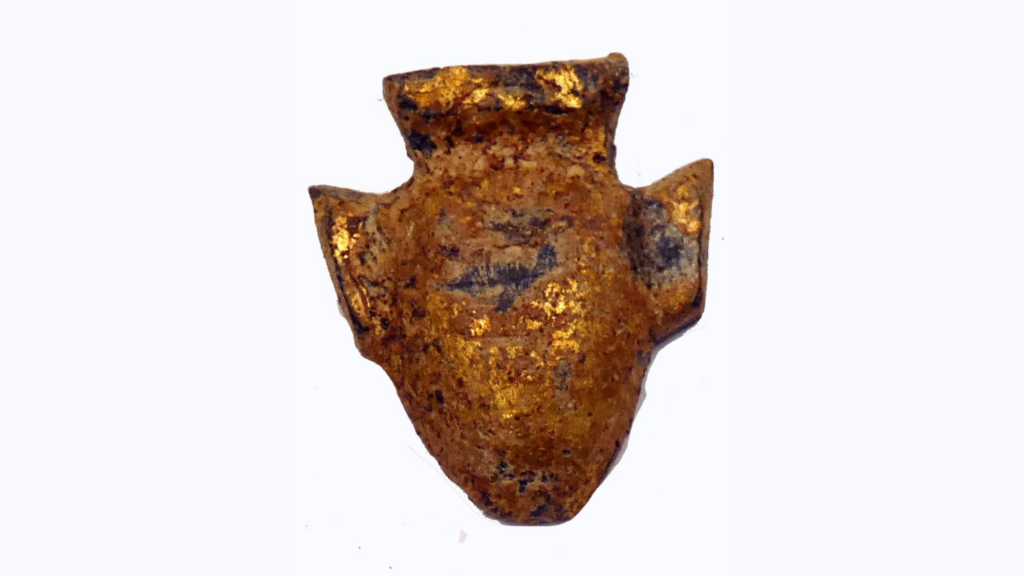
The same excavation, which took place in November and December 2025, also turned up a few other notable finds. Previous digs at the cemetery had already uncovered more than a dozen mummies with gold tongues, placed there so the deceased could communicate with the gods in the afterlife. This most recent excavation added three more gold tongues and one copper tongue to that count, according to a statement from Egypt’s Ministry of Tourism and Antiquities. Nobody’s quite sure why copper was used for that one.
What the mummy’s mouth contained—gold, copper, or nothing at all—researchers haven’t determined yet. Given that the Iliad itself took centuries to piece together, a little patience seems appropriate.
此内容由惯性聚合(RSS阅读器)自动聚合整理,仅供阅读参考。 原文来自 — 版权归原作者所有。