




惯性聚合 高效追踪和阅读你感兴趣的博客、新闻、科技资讯
阅读原文 在惯性聚合中打开

推荐订阅源

OSCHINA 社区最新新闻
OSCHINA 社区最新新闻
人人都是产品经理
人人都是产品经理
IT之家
IT之家
T
The Blog of Author Tim Ferriss
V
V2EX
博客园 - 聂微东
The Cloudflare Blog
Blog — PlanetScale
Blog — PlanetScale
A
About on SuperTechFans
U
Unit 42
Vercel News
Vercel News
L
LangChain Blog
博客园 - 司徒正美
H
Help Net Security
Recent Announcements
Recorded Future
Recorded Future
V
Visual Studio Blog
Jina AI
Jina AI
Microsoft Azure Blog
GbyAI
GbyAI
Y
Y Combinator Blog
C
Check Point Blog
博客园 - 三生石上(FineUI控件)
奇客Solidot–传递最新科技情报
奇客Solidot–传递最新科技情报
钛媒体:引领未来商业与生活新知
钛媒体:引领未来商业与生活新知
J
Java Code Geeks
The Register - Security
The GitHub Blog
The GitHub Blog
B
Blog RSS Feed
F
Fortinet All Blogs
B
Blog
G
Google Developers Blog
Cyber Security Advisories - MS-ISAC
云风的 BLOG
云风的 BLOG
爱范儿
爱范儿
MongoDB | Blog
MongoDB | Blog
F
Full Disclosure
有赞技术团队
有赞技术团队
罗磊的独立博客
博客园_首页
MyScale Blog
MyScale Blog
aimingoo的专栏
aimingoo的专栏
Google DeepMind News
M
MIT News - Artificial intelligence
N
Netflix TechBlog - Medium
Engineering at Meta
Engineering at Meta
量子位
I
InfoQ
小众软件
小众软件
P
Proofpoint News Feed

Comments for Securelist

New BitLocker extortion activity: RDP, MSSQL, RMM Abuse How to improve your organization's security based on compromise assessment findings SparkCat crypto stealer in Google Play and App Store How the ToddyCat APT group gains access to Gmail accounts The Gentlemen RaaS: rapid growth and a new ransomware variant Threat landscape for SMBs in 2026: fake AI tools, phishing and more Telegram phishing bots and channels: how it works An unknown actor distributes malicious VBS scripts via WhatsApp MiniPlasma: detecting exploitation Argamal: Malware hidden in hentai games Containers on fire: from container escapes to supply chain attacks What’s in the container? Analyzing vulnerabilities, risks and protection with Kaspersky Container Security and Free Internet Kimsuky targets organizations with PebbleDash-based tools State of ransomware in 2026 Copy Fail: root on virtually any Linux Popular DAEMON Tools software compromised Congratulations, you’ve won! The reality behind online lotteries Operation ShadowHammer: a high-profile supply chain attack ‘Nigerian’ Letters - Now With a Syrian Twist PhantomRPC: A new privilege escalation technique in Windows RPC Operation Triangulation: The last (hardware) mystery Scammers’ delivery service: exclusively dangerous Operation Triangulation: iOS devices targeted with previously unknown malware Anatomy of a Cyber World Global Report 2026 Operation Triangulation: iOS devices targeted with previously unknown malware TGIF(P) - Thank god it’s fried phish The Flame: Questions and Answers Story of the year: the impact of AI on cybersecurity Story of the year: the impact of AI on cybersecurity The game is over: when “free” comes at too high a price. What we know about RenEngine The game is over: when “free” comes at too high a price. What we know about RenEngine The game is over: when “free” comes at too high a price. What we know about RenEngine Arkanix Stealer: a C++ & Python infostealer Tusk: unraveling a complex infostealer campaign
TGIF(P) - Thank god it’s fried phish
2026-03-11 · via Comments for Securelist

There is that expression “TGIF” and I recently noticed that some of my Japanese colleagues/friends would not know what it actually stands for.

Spoiler: It commonly means “Thank god it’s Friday” and probably many working people will be able to appreciate such a feeling.

On the other hand, while many offices may close down for the weekend, it’s the time for bad guys to boost their activity because they count on the fact that they may go unnoticed for some time, at least until the upcoming Monday morning.

The IT community is working hard to find and take down malicious sites as soon as possible, but then … the weekend is the weekend for many.

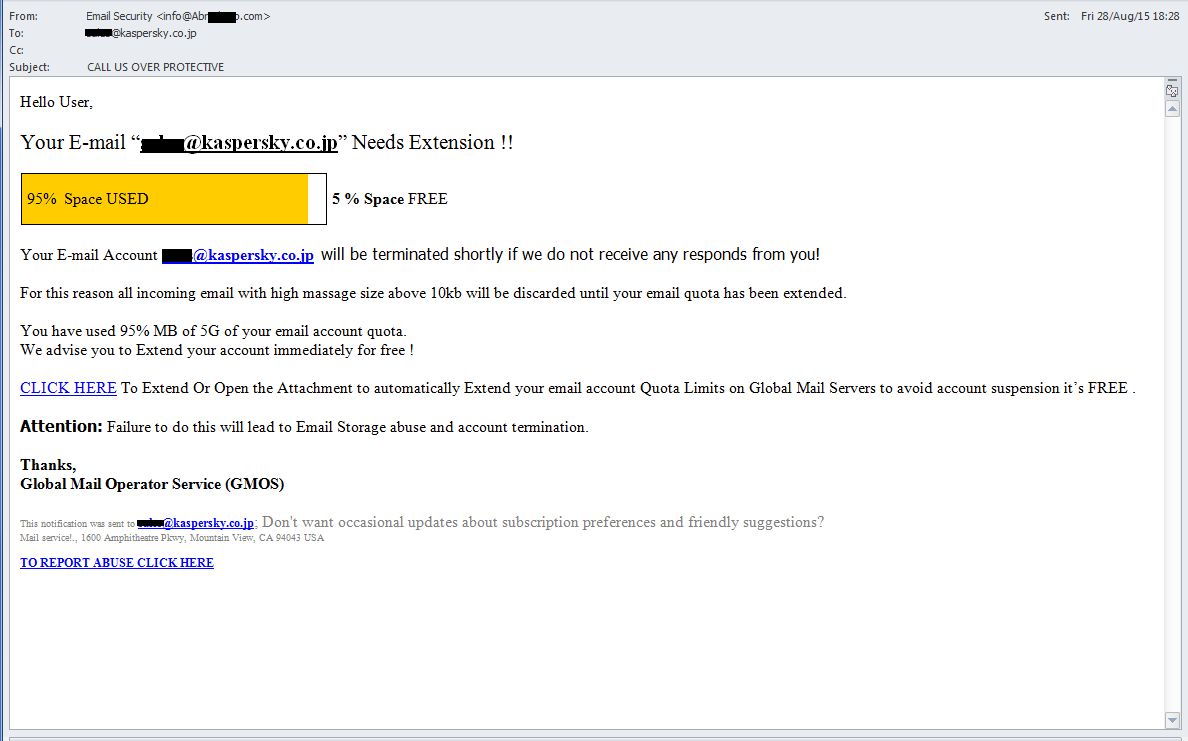
What happened just last Friday may be a good example of such malicious weekend activity. We received the following email to one of our inboxes:
tgf-01

The email body utilizes some social engineering in order to scare the email receiver about possible loss of emails. It also somehow mentions “high massage” but that may just be a spelling error on the bad guy’s side.

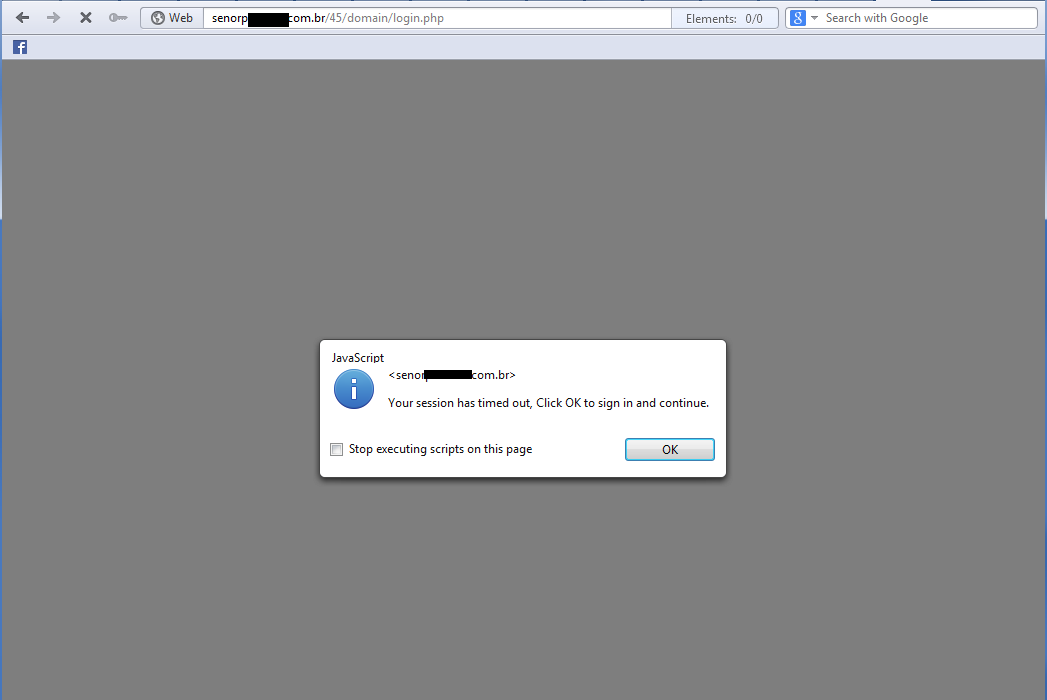
When we click the contained link (which is, of course, one of those “don’t do this at home” things), we see the following:
tgf-02

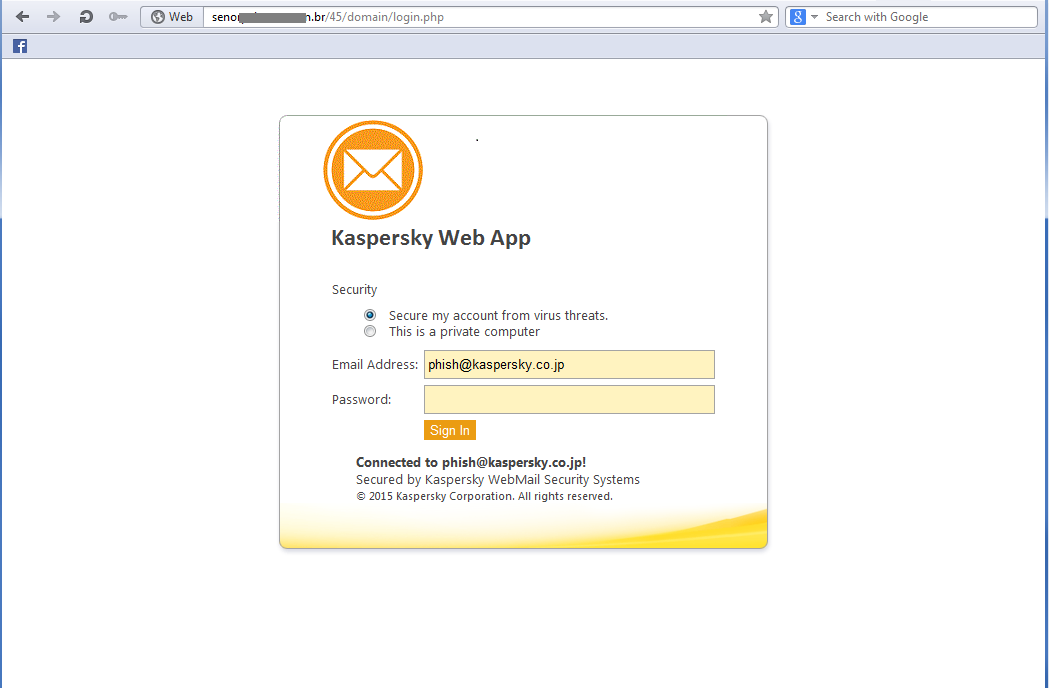
After clicking “OK”, we get a popup which looks very much like the popup of a Microsoft email client. Note that it is quite well crafted, containing the domain name of the email receiver several times.
tgf-03

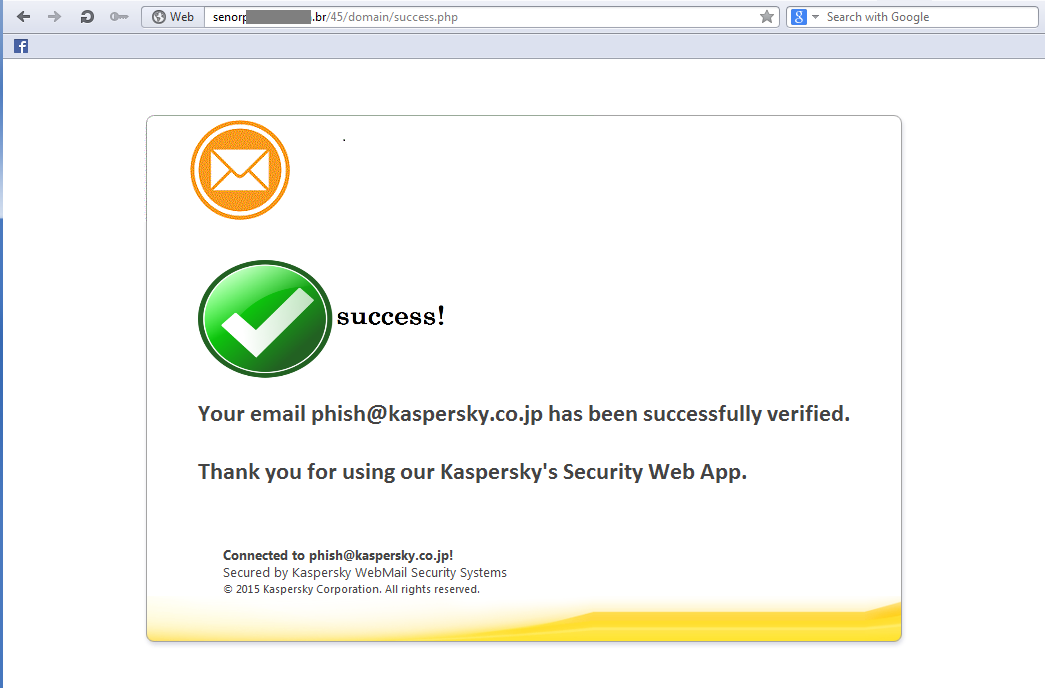
When we input some data into that form, we get this:
tgf-04

Again, it looks well crafted, containing the domain name several times, and even including a copyright notice.

To top it all, that page contains functionality to search the web for the mentioned domain name and finally directs the user’s browser to the search result:
tgf-05

The above content may not seem too convincing to an average home user. This phish seems more likely to target corporate users, as the style of the information shown above mimics the corporate environment very well.

However, attentive users may spot the following details which give away the fake:

  1. Email sender – mismatching the domain name;
  2. “Hello User” – is probably not commonly used to address staff;
  3. All clickable links in the email body point to the same location;
  4. Spelling mistakes like “massage”;

We have added the malicious site to our anti-phishing denylist.


Updated Sep. 4th 2015:
Only minutes after we published the above content, another similar email arrived in our inbox:
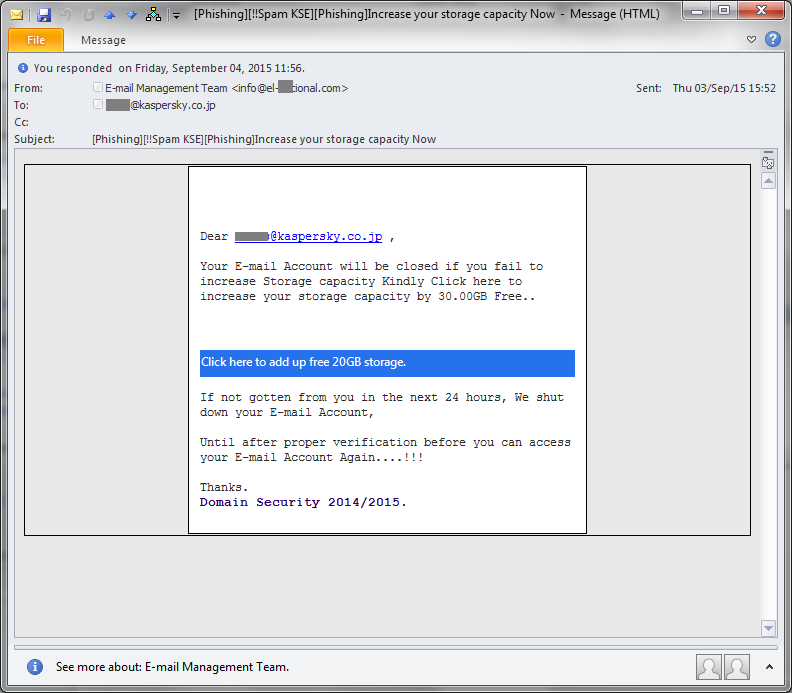
tg-01

Taking a quick look at the email headers, we noticed that the email appears to have been sent using a “maxo.php” file from a server in Japan:
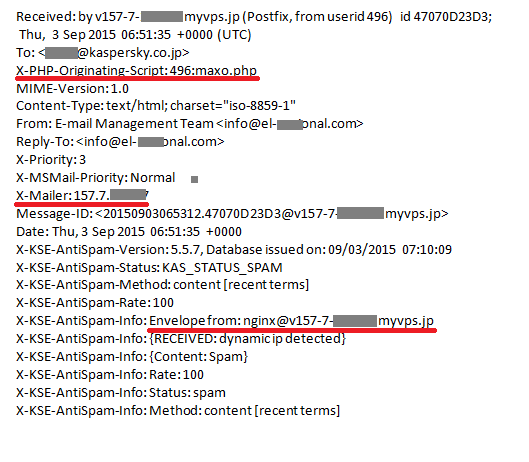
tg-02

Intrigued by that information, we tried to figure out what this maxo.php file could be.
Searching the web for the file name gave some interesting results. One of them was an infamous backdoor with no less than 40 layers of encryption:
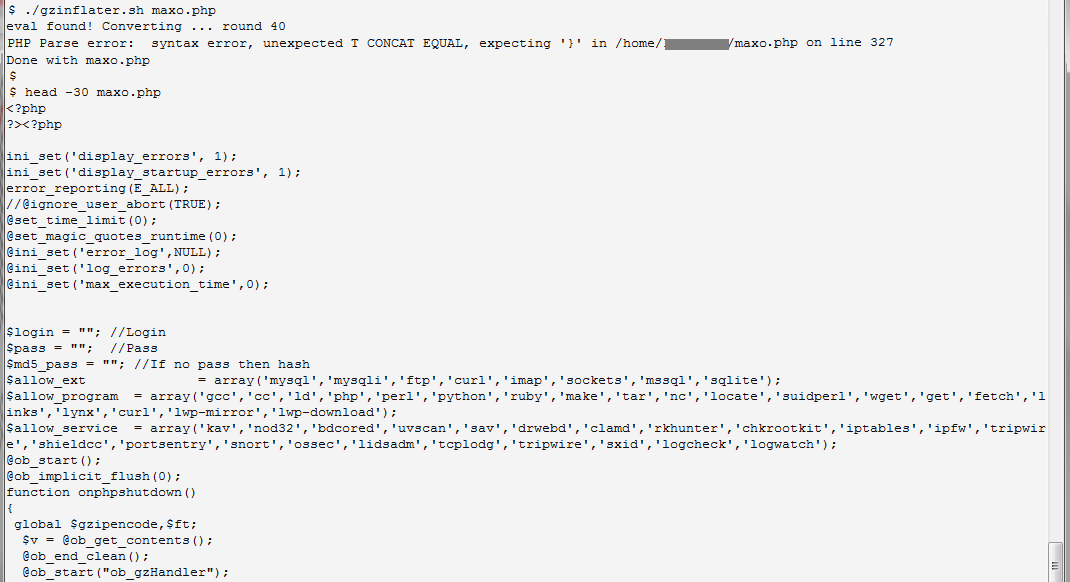
tg-03

But we were looking for something else, namely some kind of php mailer.
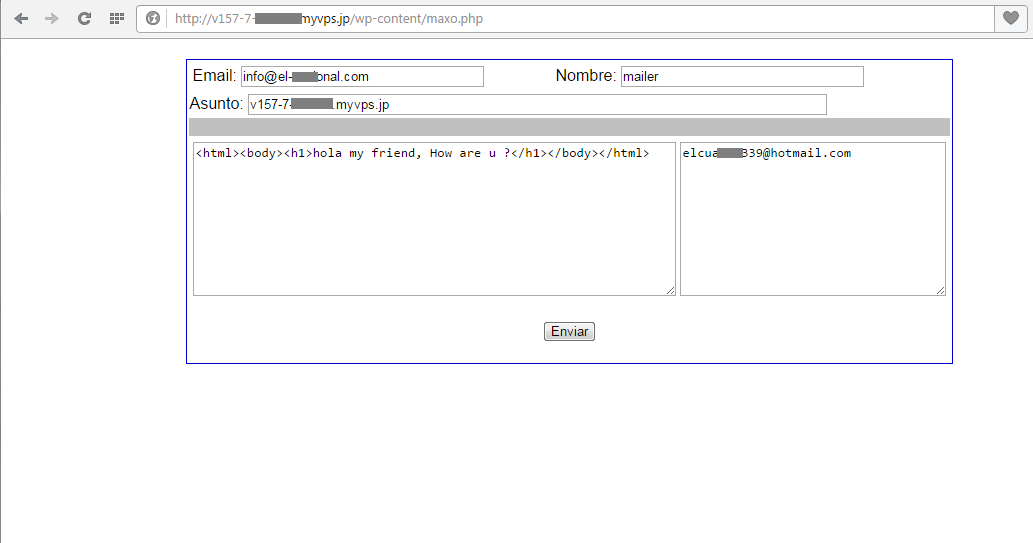
The actual server seen in our email headers did indeed serve that script:
tg-04

It was a publicly accessible web form with fields for spoofing email address and sender name, and fields for email body and receivers list. The contained data is hardcoded in the script itself. The script also contains a function to trigger file uploads to the host.

When searching the web for the address shown in the “Email” field, we found a whole bunch of reports going back to December 2014 – all regarding the same phishing scheme.

We have notified the relevant ISP of the malicious activity.